Every child may experience fear, worry or anxiety from time to time. Starting a new school, exams, friendships or changes within the family can cause temporary anxiety in children. However, when anxiety becomes intense, persists for a long time and begins to affect the child’s daily life, an anxiety disorder may be present.
Anxiety in children does not appear only through emotional symptoms. Physical and behavioral signs such as stomachaches, sleep problems or avoiding school may also occur. That is why it is important for parents to recognize the early signs.
What Is Anxiety in Children?
Anxiety is a natural response to situations in which a person perceives a threat or danger. In some children, however, the level of anxiety may be out of proportion to the situation and may negatively affect daily life. In this case, an anxiety disorder may be present.
Anxiety in children can affect school life, social relationships, communication within the family and academic performance.
What Are the Symptoms of Anxiety in Children?
Anxiety symptoms can appear differently in each child. While some children express their worries openly, others may show them through their behavior or physical complaints.
Constant Worry
Children may worry excessively about school performance, the safety of family members, health problems or everyday events. These worries are often out of proportion to the actual risks.
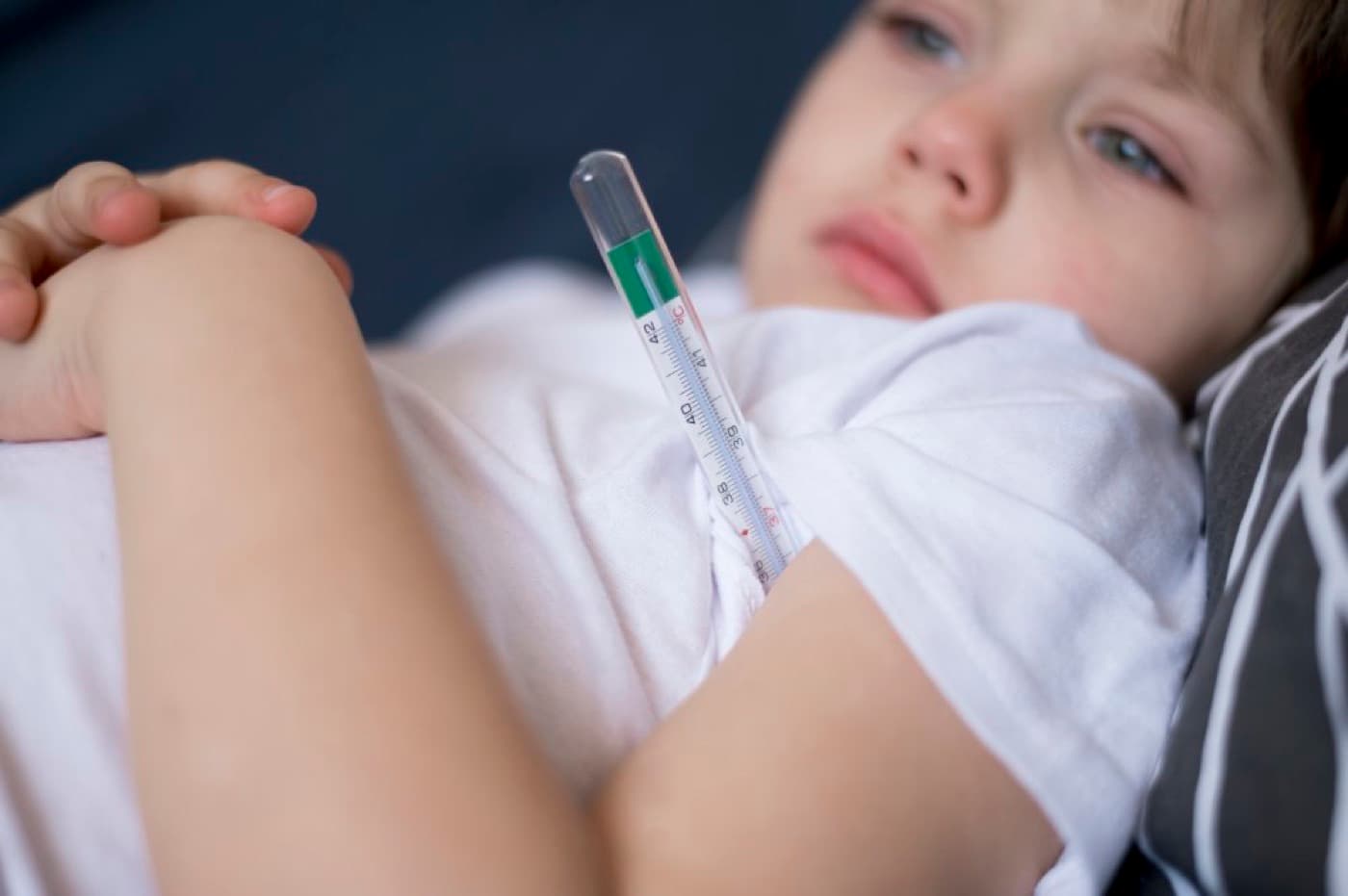
Stomachaches and Physical Complaints
Children with anxiety may frequently complain of stomachaches, headaches or an upset stomach. If no physical cause is found during evaluation, anxiety may also be considered as a factor.
Sleep Problems
Problems such as difficulty falling asleep, waking up frequently, nightmares or being unable to sleep alone may occur.
Difficulty Concentrating
Anxiety can make it harder for children to focus. This can affect their school performance and daily activities.
Restlessness and Inability to Sit Still
Some children may feel a constant urge to move, tension or an inability to relax.
Irritability
Anxiety does not appear only as fear. In children, it can also show up as anger, restlessness and low tolerance.
Not Wanting to Go to School
Some children may not want to go to school because of their anxiety or may have physical complaints during school hours. This is especially common in separation anxiety.
Common Types of Anxiety in Children
Separation Anxiety
In separation anxiety, which is seen especially at a young age, the child may find it difficult to be apart from their parents or caregivers. Some children may refuse to go to school, have crying spells or feel intense fear that something bad will happen to their parents.
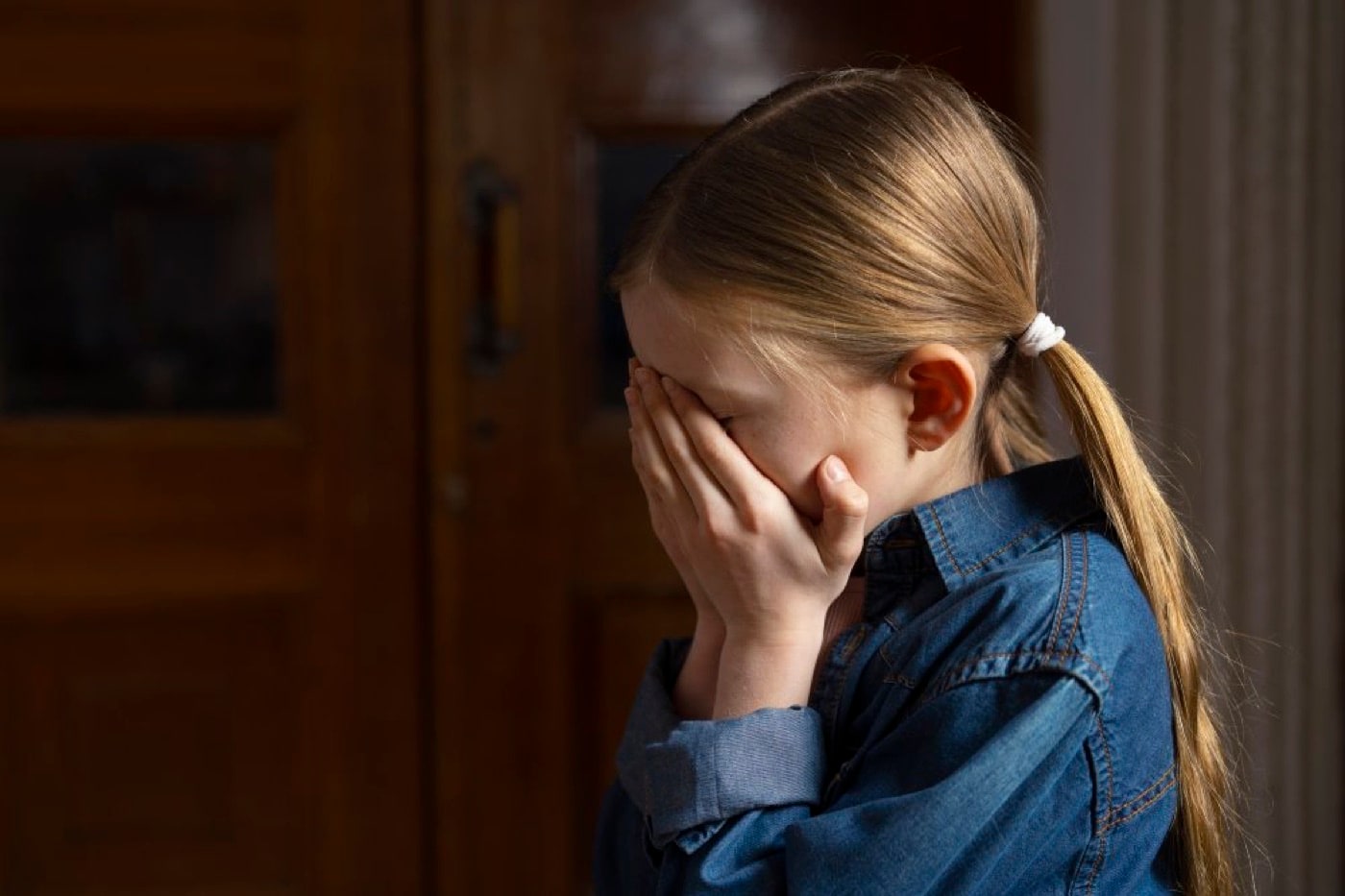
Social Anxiety
Children with social anxiety may avoid meeting new people, speaking in front of a group or taking part in social activities. This can affect their friendships and school life.
Children with social anxiety may avoid meeting new people, speaking in front of a group or taking part in social activities.
Generalized Anxiety Disorder
In this condition, the child may constantly worry about many different things. Academic performance, family life, health or everyday events can become sources of excessive worry.
Specific Phobias
Some children may develop an intense fear of specific things or situations such as animals, heights, the dark, water or medical procedures.
What Are the Physical Symptoms of Anxiety in Children?
Rather than expressing their feelings, children often show physical symptoms.
Common symptoms include:
- Stomachache
- Headache
- A feeling of a racing or pounding heart (palpitations)
- Sweating
- Trembling
- A feeling of difficulty breathing
- Needing to go to the toilet frequently
- Nausea
- Muscle tension
What Can Cause Anxiety in Children?
There is no single cause of anxiety. Several factors may act together.
These may include:
- A family history of anxiety
- Traumatic life events
- School or academic pressure
- Difficulties in social relationships
- Perfectionist personality traits
- Major life changes (such as moving, changing schools or divorce).
When Should You Seek Professional Support?


A professional evaluation may be helpful if anxiety symptoms lead to the following:
- A marked decline in school performance
- Withdrawal from friendships
- Disruption of daily activities
- Ongoing physical complaints
- Disturbed sleep and eating patterns
- Intense fears and worries that have persisted for a long time
Early evaluation and support can have a positive effect on the child’s social and academic life.
How Is Anxiety Treated in Children?
The treatment plan is determined according to the child’s age, symptoms and the impact of anxiety on daily life.
Methods that specialists may recommend include:
- Psychological counseling
- Cognitive behavioral therapy (CBT)
- Family counseling
- School support programs
- Medication when deemed necessary
The treatment plan is created individually for each child.
Frequently Asked Questions
Is anxiety normal in children?
Yes. Every child may feel anxious from time to time. However, when anxiety starts to affect daily life, it is important to have it evaluated.
Can anxiety cause stomachaches in children?
Yes. In children, anxiety often shows itself through physical symptoms such as stomachaches, an upset stomach or headaches.
Could it be anxiety if my child does not want to go to school?
In some cases, school refusal or not wanting to go to school may be related to separation anxiety or another type of anxiety.
Can anxiety in children be treated?
Yes. With proper evaluation and support, many children can learn to manage their anxiety symptoms and continue their daily lives in a healthy way.
Which department should you turn to for support?
For an initial evaluation, you can see a pediatrician (child health and diseases specialist). When necessary, your child may be referred to child and adolescent mental health specialists.
The information on our website is not intended to direct individuals to any treatment. Do not take any diagnostic or treatment steps without consulting your doctor. The content does not contain information about İzmir Can Hastanesi's therapeutic healthcare services.