Fever is one of the symptoms that worries parents most during childhood. However, fever is usually not an illness in itself but a natural defense mechanism the body develops to fight infections. A rise in body temperature is considered a normal response of the immune system as it fights microorganisms.
While most fevers in children resolve without any serious health problem, medical evaluation may be needed in some cases. For this reason, the child’s general condition is just as important as the height of the fever.
Spec. Dr. Ayda Haksever, Pediatrician (Child Health and Diseases) at İzmir Özel Can Hastanesi, shared important information about fever in children.
What Causes Fever in Children?
The most common causes of fever are viral and bacterial infections. The common cold, flu, ear infections and other childhood infections can cause fever. Fever may be a sign that the immune system is fighting an infection.
During a fever, children may have the following symptoms:
- Weakness and fatigue
- Restlessness
- Loss of appetite
- Drowsiness
- Increased thirst
- Flushed face
- Sweating or feeling chilly
These symptoms can vary from child to child.
What Temperature Counts as a Fever in Children?
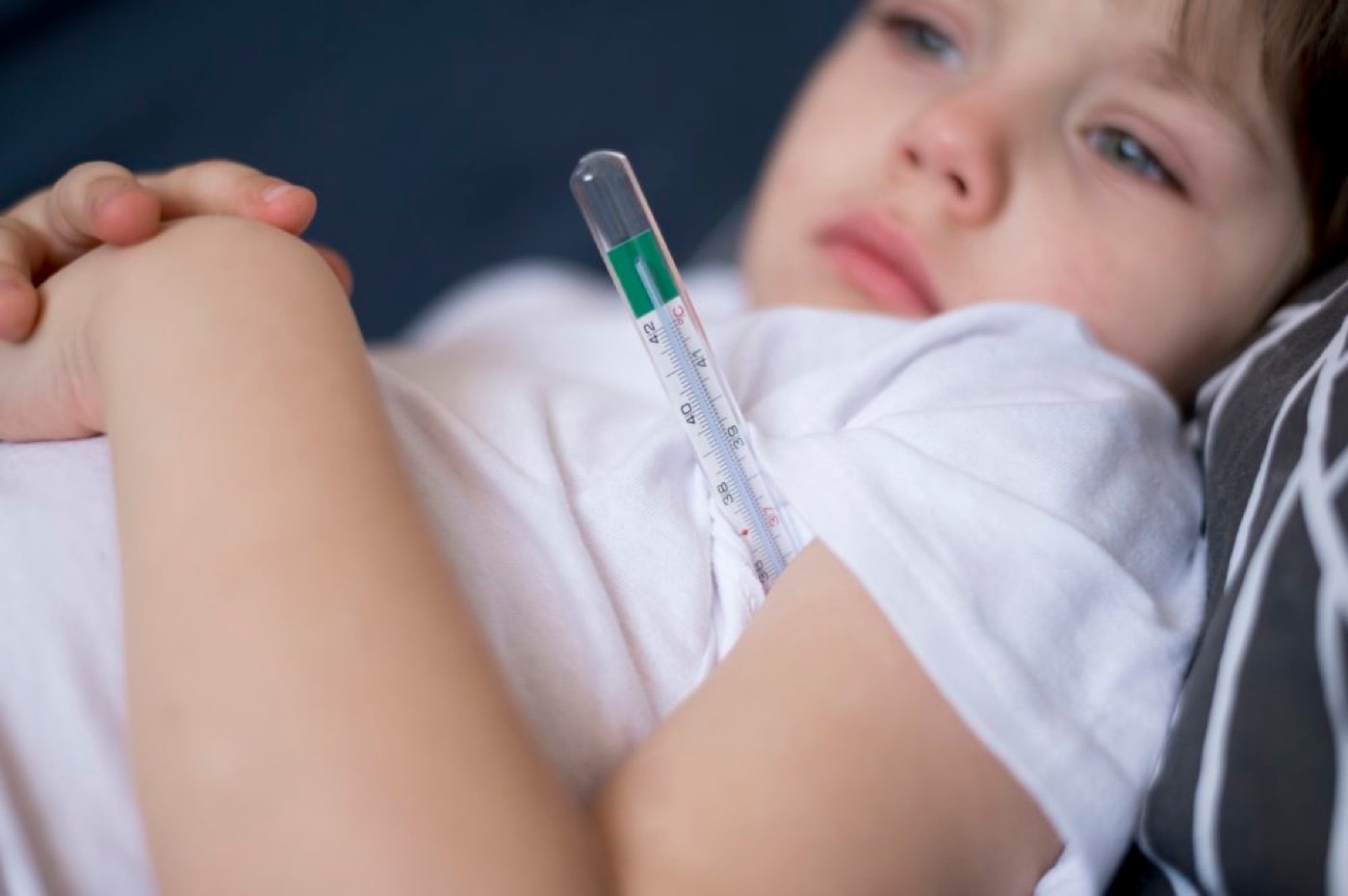
Values may differ slightly depending on where the temperature is measured. In general, an underarm (axillary) body temperature of 37.7 °C or higher is considered a fever.
What Can You Do to Make a Child With Fever More Comfortable?
The goal of treating fever in children is not always to eliminate the fever completely but to make the child comfortable. Lowering the fever does not make the infection heal faster, but it can improve the child’s comfort.
Ensure Plenty of Fluids
The body can lose more fluid during a fever. That is why it is important to give water, breast milk, soup or other age-appropriate fluids.
Choose Light, Comfortable Clothing
Thick clothing or too many blankets can make body temperature rise even further. It is recommended that the child wear comfortable, lightweight clothes.
Keep the Room at a Suitable Temperature
It is important that the room is neither too hot nor too cold. A mild, comfortable room temperature can improve the child’s comfort.
Let Your Child Rest
Adequate rest is important because the body is fighting an infection during a fever.
Lukewarm Water Can Be Used
In some cases, a lukewarm shower or gently sponging the body can provide relief. However, methods such as ice water, very cold baths or rubbing with alcohol are not recommended. These can make the child shiver and cause the fever to rise even further.
In some cases, a lukewarm shower or gently sponging the body can provide relief.
Should Fever-Reducing Medications Be Used?
The use of fever-reducing medications should be evaluated according to the child’s age, weight and health condition. For this reason, a doctor’s advice should be sought regarding medication, especially in young children. Aspirin should not be used in children, as it can cause serious side effects.
Does Every Child With a Fever Need Emergency Care?
Many children can play, drink fluids and generally look well despite having a fever. Pediatricians place more importance on assessing the child’s general condition than on the height of the fever.
When Should You See a Doctor?
In some cases, fever can be a sign of a serious infection.
Seek medical care without delay in the following situations:
- Fever in a baby younger than 3 months
- Fever lasting longer than three days
- Difficulty breathing
- Having a seizure
- Severe headache
- Stiff neck
- Widespread skin rash
- Persistent vomiting
- Marked weakness or a change in consciousness
- Bluish discoloration of the skin (cyanosis)
These symptoms may require a more detailed evaluation.
How Should You Take a Child’s Temperature?


Today, digital thermometers are among the most commonly used methods. Taking the measurement correctly is important. Different measurement methods may be used in young children, and the doctor’s recommendations should be followed regarding which method to choose.
You do not need to measure the temperature over and over again. Changes in the child’s general condition should also be monitored.
Fever and Seizures
Some children may have seizures during a fever, known as febrile seizures (febrile convulsions). These are seen more often in children between 6 months and 5 years of age. If this happens, you should always seek medical care.
Frequently Asked Questions
At what temperature does fever become dangerous in children?
The child’s general condition is just as important as the height of the fever. If there is a high fever or serious accompanying symptoms, a doctor’s evaluation is necessary.
Should a child with fever be covered up?
No. Thick blankets and too many clothes can raise body temperature. Light clothing should be preferred.
Should a child with fever be given a cold shower?
No. Very cold water or ice baths are not recommended. If needed, lukewarm water should be used instead.
What should you do if your child will not eat during a fever?
A decrease in appetite can occur. During this time, keeping up fluid intake is more important.
Why is fever important in babies younger than 3 months?
Fever in this age group should be evaluated more carefully, and a doctor’s opinion should always be sought.
The information on our website is not intended to direct individuals to any treatment. Do not take any diagnostic or treatment steps without consulting your doctor. The content does not contain information about İzmir Can Hastanesi's therapeutic healthcare services.