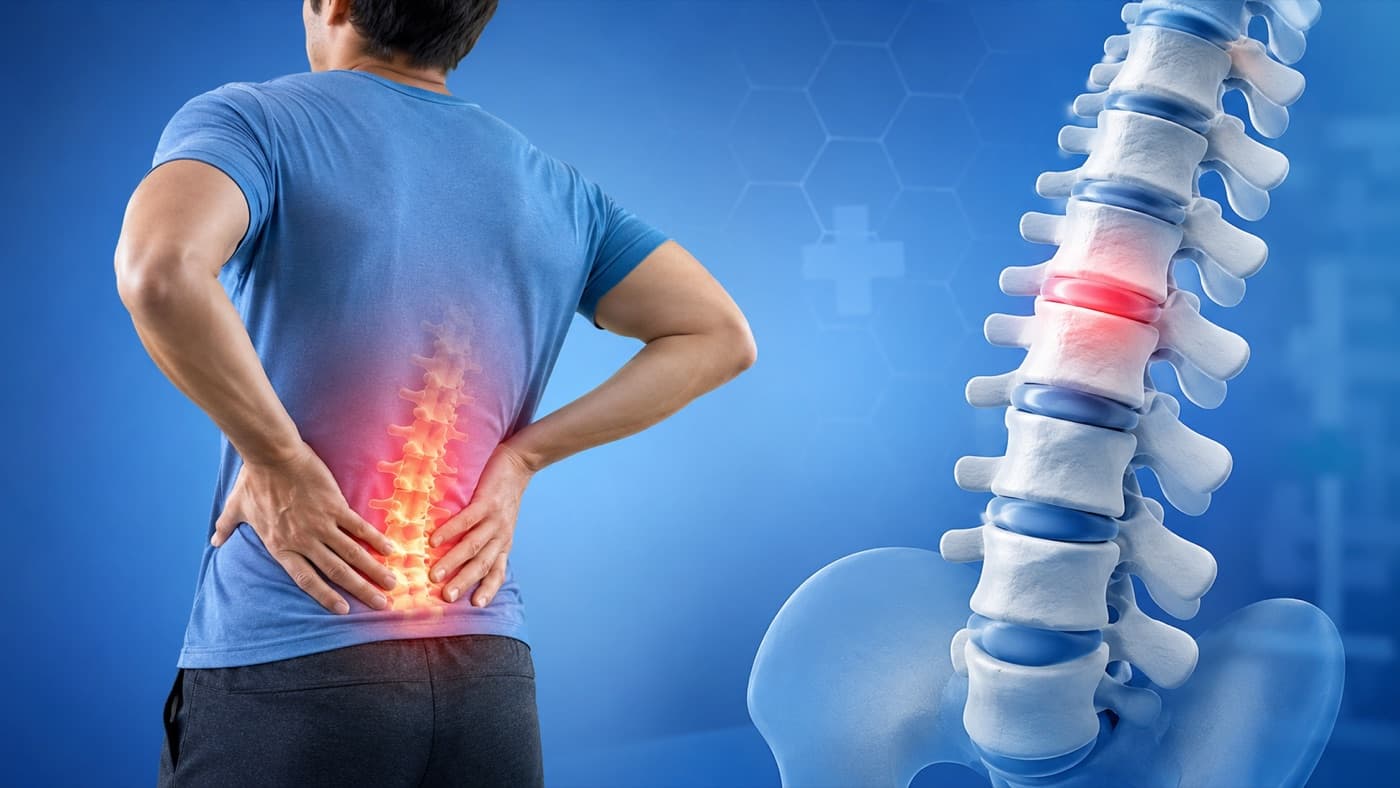
Poor posture is a common problem for many people. Incorrect posture can throw the body off balance, which over time harms spinal health. It is possible to correct poor posture. With regular exercise, ergonomic adjustments and healthy lifestyle habits, you can correct your posture and achieve a healthier spine.
Correcting poor posture requires a comprehensive approach. It is important to exercise regularly, learn proper sitting and standing positions, set up ergonomic workspaces and get expert support from physiotherapists. Healthy posture not only improves your physical appearance but also enhances your overall health and quality of life.
What Causes Poor Posture?
In sedentary people, an inactive lifestyle is one of the common causes of poor posture. Insufficient physical activity can lead to muscle weakness and postural imbalances. If you work in an office and spend long hours sitting still at a desk, this actually indicates that you are at risk. Incorrect sitting positions can also cause posture problems; seats or chairs that do not support the natural curves of the spine set the stage for lower back and back pain. Likewise, unsuitable sleeping positions also harm spinal health. Paying attention to your choice of pillow and mattress is an important step in preventing posture problems.
Weak muscles are also among the most important factors in poor posture. If the muscles are not strong or durable enough, they cannot distribute the body’s weight evenly, which leads to postural problems. Weak abdominal, back and hip muscles in particular prevent proper alignment of the spine. By exercising regularly and strengthening your muscles, you can prevent posture problems.
Excess weight can also be a cause of poor posture; obesity and being overweight increase the load on the spine and lead to posture problems. Extra weight puts additional pressure on the joints and muscles. Controlling your weight and maintaining a healthy body weight are effective in preventing postural problems.
Stress and emotional tension can also trigger posture problems. In stressful situations, muscles tense up and spasms occur, which disrupts the natural position of the spine. Practicing stress management techniques and making time to relax support healthy posture.
How Can You Protect Your Posture at the Office and at Work?
Upright posture helps your body work in a healthy, balanced way. Shoulder position, lower back support and a neutral spine prevent posture problems. When standing, keep your head up and pull your shoulders back, opening your chest and maintaining the natural curves of your spine.
When sitting, keep your hips and knees at a 90-degree angle; lower back support maintains the natural curves of your spine. Keep your shoulders relaxed and your elbows close to your body. This reduces tension on your neck and back muscles. When walking, keep your head up and pull your shoulders back. Gently tighten your abdominal muscles; this maintains your pelvic stability and ensures a balanced gait. When sleeping, lying on your back or side provides neck and lower back support.
By following these principles in your daily life, you can prevent posture problems. Regular exercise and physical activity are important for adopting proper posture. This is the foundation of a healthy lifestyle.
By following these principles in your daily life, you can prevent posture problems.
Dealing with persistent neck and lower back pain at our office desk and computer, where we spend a large part of our time, can be quite frustrating. Research has shown that moving during breaks, even briefly, helps desk workers protect themselves against problems such as heart disease and diabetes.
Regular Exercise to Prevent and Correct Poor Posture
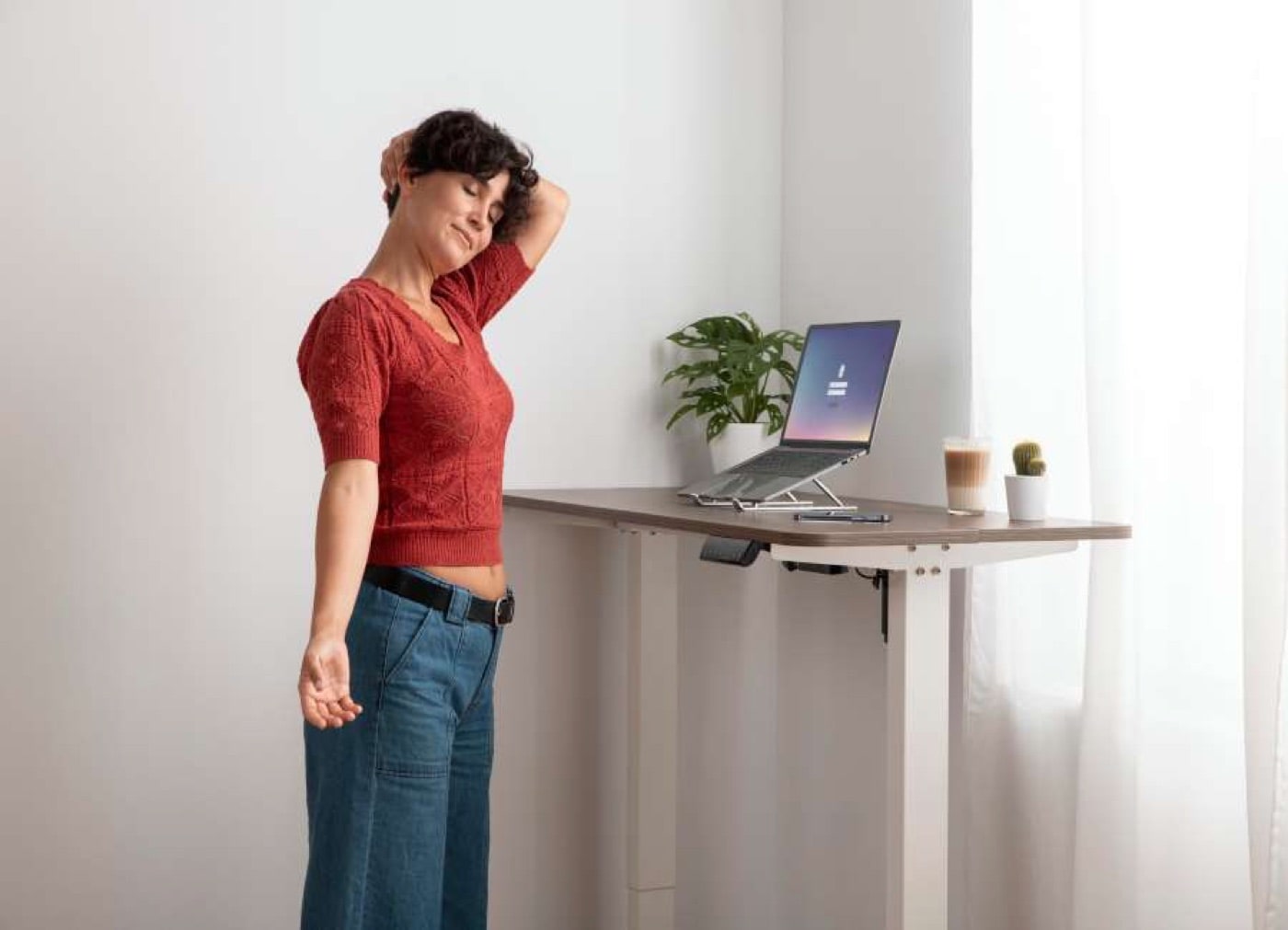
Exercise is very important for correcting posture problems. Muscles strengthened through exercise gain endurance and flexibility, which increases the body’s capacity to protect itself against the force and stress that daily life places on the muscles. Even stretching movements that you can do as a daily routine can help you correct your posture. They relieve tension in your shoulder, neck and chest muscles. This eliminates muscle imbalances in these areas and improves posture. .
Exercises such as swimming, walking and light jogging also help improve or prevent posture problems. These exercises improve overall health and strengthen the body. Regular exercise helps prevent and correct posture problems.
How Should You Sit in an Office Chair?

Ergonomic adjustments are very important for preventing and correcting posture problems. Ergonomic chairs provide lower back support and align your body correctly. This relieves the pain caused by sitting for long periods. Adjustable desks are essential for creating an ergonomic work environment. These desks can be customized to your height and needs. This way, you can keep your computer screen at eye level and use your keyboard comfortably.
Posture cushions support pelvic alignment and provide lower back support. These cushions correct your sitting position and prevent lower back pain. Laptop stands also reduce neck and shoulder strain by bringing the screen to eye level. Proper lighting is an important part of ergonomic adjustments. Suitable lighting prevents eye strain and makes it easier to maintain proper posture. Protect your eye health by providing adequate and proper lighting in your workspace.
Ergonomic adjustments are important for preventing and correcting posture problems. Incorporate elements such as an ergonomic chair, an adjustable desk, a posture cushion, a laptop stand and proper lighting. This way, you can support your body’s natural alignment and relieve pain.
Support your back with a small cushion so that it is fully upright; you can stretch your legs out straight and together without bending them at the knees.
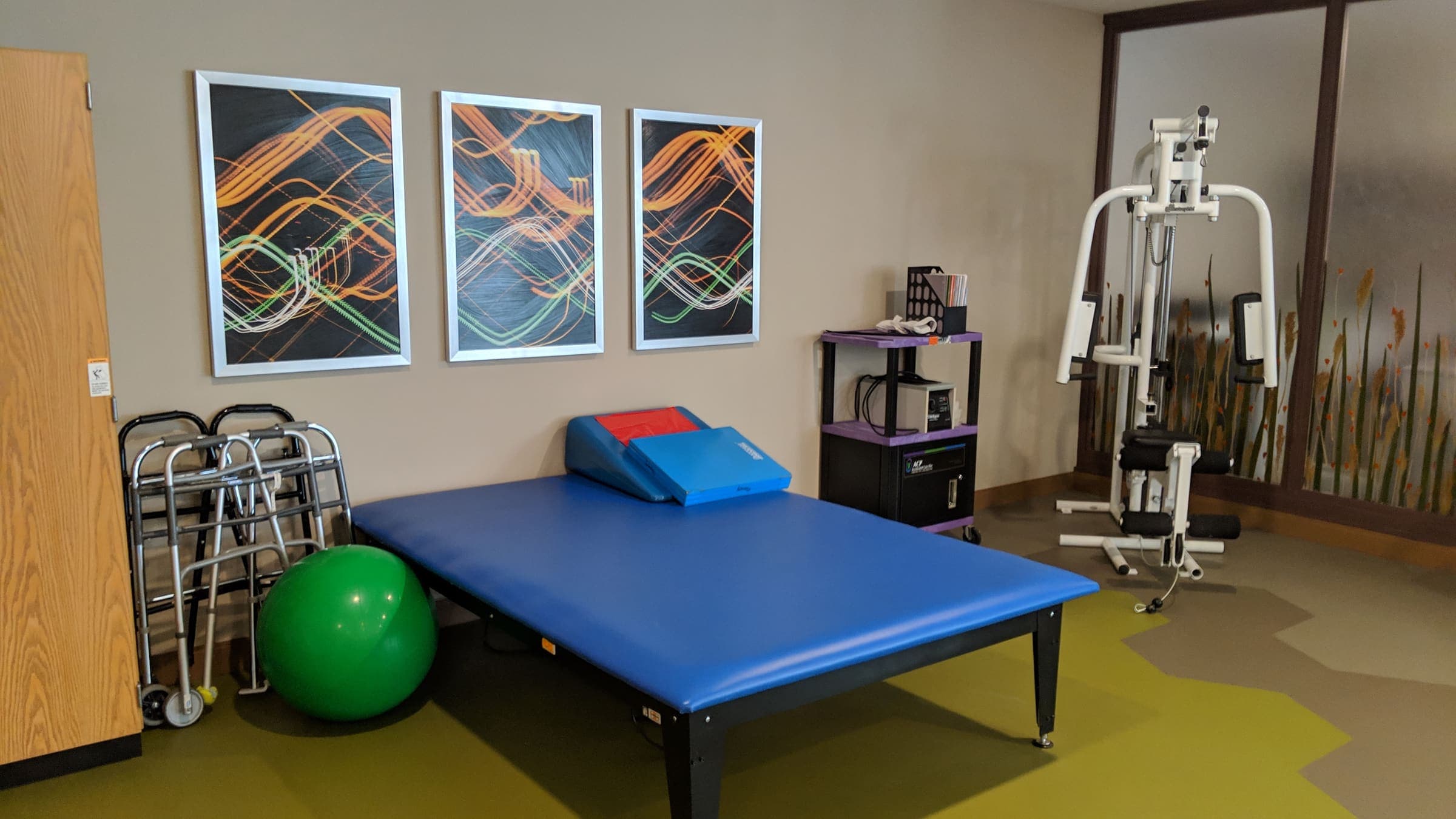
Depending on the degree of your posture problems, you can get help from physical therapy specialists. Expert physiotherapists will assess your posture problems and then prepare personalized treatment plans. These plans may include individualized exercise programs and may require regular follow-up.
Exercises will be chosen according to the type and severity of the posture problem, so that it becomes possible to correct the posture problem and prevent movement limitations from getting in the way.
The information on our website is not intended to direct individuals to any treatment. Do not take any diagnostic or treatment steps without consulting your doctor. The content does not contain information about İzmir Can Hastanesi's therapeutic healthcare services.