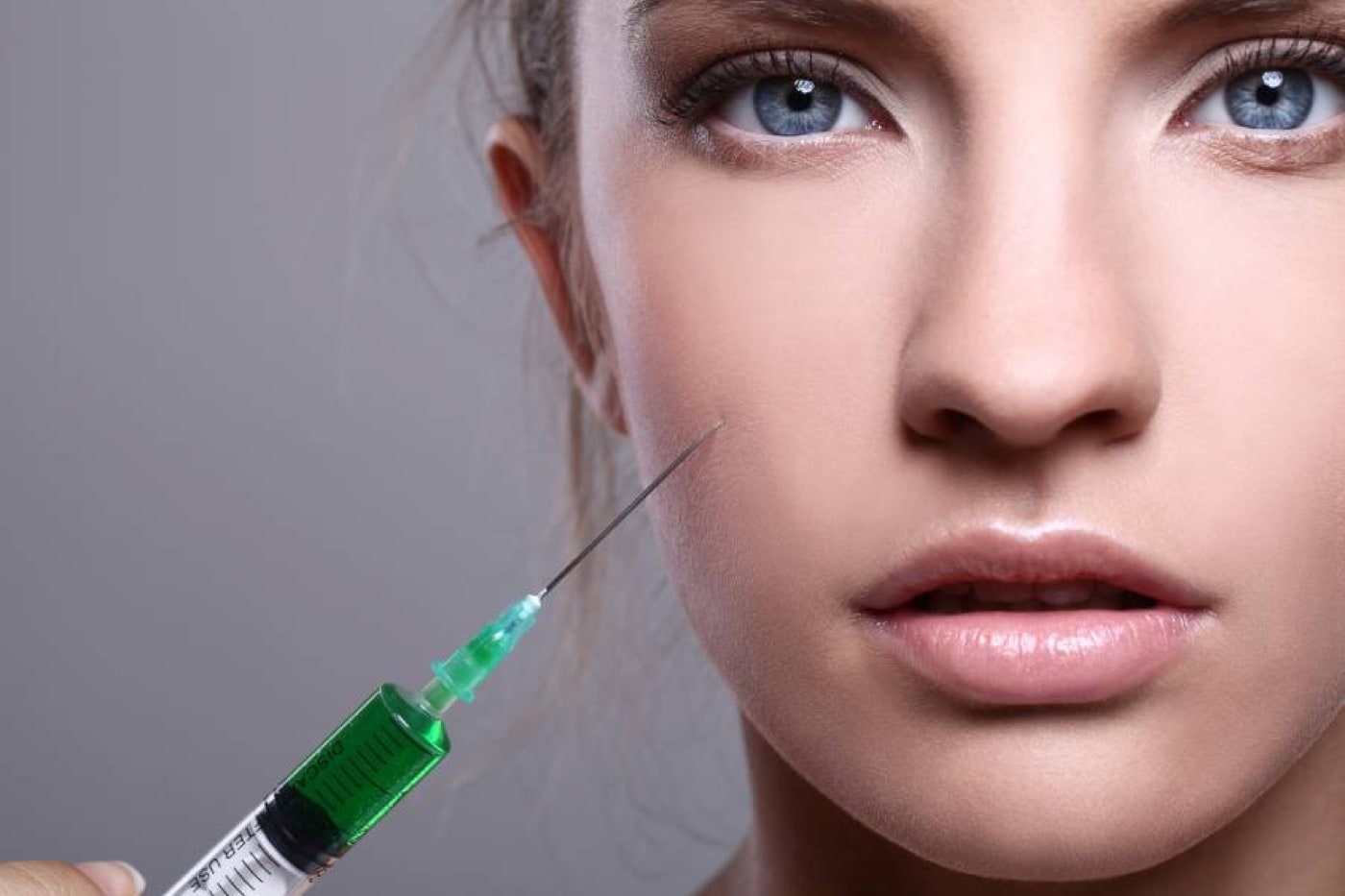
Getting Botox while breastfeeding is a topic many mothers wonder about. Mothers who choose Botox to combat wrinkles and for aesthetic enhancement question whether it is safe to have the procedure while breastfeeding. Potential risks such as a Botox allergy add to the concerns of breastfeeding mothers. Experts emphasize that Botox treatment during breastfeeding should be carefully evaluated. The possibility that substances in Botox could pass into breast milk influences breastfeeding mothers' decisions on this matter. Learning in detail about the possible risks and safety of getting Botox while breastfeeding will help mothers make an informed decision.
Can Botox Be an Option During Pregnancy?
Breastfeeding mothers may have concerns about getting Botox. Botox is a popular cosmetic procedure used to reduce expression lines. However, questions may arise about the possible effects of Botox during breastfeeding on breast milk and the baby.
Regarding the compatibility of Botox with breastfeeding, experts state that Botox is unlikely to pass into breast milk. A Botox injection acts locally in the area where it is applied and does not enter the bloodstream in significant amounts. Therefore, a breastfeeding mother can have Botox, but it is important to be careful and follow expert advice.
Mothers planning to have Botox while breastfeeding need to take certain safety precautions before and after the procedure. These include not having the Botox injection immediately before or after breastfeeding, following hygiene rules after the procedure and monitoring for possible side effects. In addition, consulting a doctor experienced in Botox and discussing your breastfeeding with them will put your mind at ease and help you make the right decisions.
What Is Botox and How Does It Work?
Botox is an injectable treatment derived from botulinum toxin. This toxin reduces the appearance of wrinkles by temporarily paralyzing muscles. Botox is widely used to treat dynamic facial wrinkles, especially forehead lines, frown lines between the eyebrows and crow's feet. Botox is injected into specific muscle groups using fine needles. The toxin temporarily blocks the muscles' ability to contract, which softens wrinkles and makes them less noticeable. The effect usually starts to appear within 3–7 days and lasts about 3–6 months.
Botox is used not only to smooth wrinkles but also to treat medical conditions such as excessive sweating, migraine and teeth clenching. When performed with the right technique by an experienced practitioner, Botox is a safe and effective anti-aging treatment. Caution should be exercised regarding its use during breastfeeding, and a doctor should be consulted.
Breastfeeding Mothers' Concerns About Botox
Breastfeeding mothers often have concerns about getting Botox treatment. One of the biggest worries is that Botox substances could pass into breast milk and harm the baby. However, Botox injections have a limited area of effect and are not expected to enter the systemic circulation. Mothers considering Botox while breastfeeding may also worry about the risk of a Botox allergy. Although rare, allergic reactions can occur in some people after Botox injections. For this reason, it is important for mothers planning Botox treatment while breastfeeding to share their allergy history with their specialist.
Besides Botox, other aesthetic procedures such as lip fillers can also raise questions for breastfeeding mothers. Like Botox, lip filler materials act in a limited area and are not expected to pass into breast milk. Even so, consulting a specialist before having such procedures while breastfeeding is the best approach.
Expert Opinions on Botox While Breastfeeding
Plastic surgeons and dermatologists understand breastfeeding mothers' concerns about getting Botox and emphasize the need for caution during this period. They note that although Botox does not enter the systemic circulation, hormonal changes during breastfeeding may increase the risks.
They note that although Botox does not enter the systemic circulation, hormonal changes during breastfeeding may increase the risks.
For issues such as forehead wrinkles during breastfeeding, experts recommend alternative methods instead of Botox. Skin care, healthy eating and adequate fluid intake are critically important for maintaining the skin's natural radiance and elasticity. Lowering stress levels and getting regular sleep are also vital for breastfeeding mothers.
There is no clear consensus on the compatibility of breastfeeding and Botox. However, experts recommend avoiding Botox while breastfeeding. It is also noted that the period after you stop breastfeeding may be a suitable time to start Botox treatment. It should be remembered that every mother needs to decide based on her own health status and her baby's needs.
Natural Alternatives to Botox
For mothers who want to avoid Botox, there are natural methods for combating wrinkles and anti-aging care throughout the breastfeeding period. These methods include dietary and lifestyle changes to support skin health. Such changes are essential for strengthening skin health and reducing wrinkles. Drinking plenty of water and eating a diet rich in vegetables and fruits can increase skin hydration and reduce expression lines. Using sunscreen, getting regular sleep and avoiding stress are also critically important for protecting skin health. These habits support skin health and reduce the appearance of wrinkles.
Skin care products containing natural oils and plant extracts, massage techniques and facial exercises can be effective in combating wrinkles. Ingredients such as aloe vera, shea butter and vitamin E nourish the skin and delay signs of aging. These products and techniques strengthen skin health and reduce wrinkles. Choosing natural methods instead of Botox while breastfeeding protects the health of both baby and mother. These methods help achieve youthful, vibrant skin. However, it is important to consult a dermatologist before starting any treatment.
Planning Botox Treatment After Breastfeeding
Mothers who reach the end of the breastfeeding period often consider Botox treatment. Botox is an effective method for addressing facial wrinkles and aesthetic enhancement. There are some important points to consider before starting Botox treatment after breastfeeding. Waiting at least 3–6 months after breastfeeding ends is recommended. This period is important for hormonal balance to settle and for milk production to stop. This increases the effectiveness of Botox treatment and reduces the risk of side effects.
Before starting Botox treatment, a consultation with a specialist doctor is essential. Your doctor will determine the most appropriate Botox dose and injection areas for you. You can also get information about whether other aesthetic procedures, such as lip fillers, can be combined with Botox.
During treatment, you need to follow your doctor's instructions exactly and attend regular follow-up visits. After Botox injections, side effects such as mild swelling, redness or bruising may occur. These effects usually resolve within a few days. However, if you notice a serious side effect, it is important to contact your doctor immediately.
What to Consider Before and After Botox Treatment
Breastfeeding mothers who decide on Botox treatment should take important steps before and after the treatment. It is essential to have a detailed discussion with your doctor to understand how Botox, which contains botulinum toxin, may affect breastfeeding. You should closely monitor any side effects that may occur after treatment and act under your doctor's supervision if you have any problems.
You should decide when to resume breastfeeding after Botox treatment based on the guidance your doctor gives you. Generally, a break from breastfeeding for a certain period after treatment is recommended. During this time, storing breast milk and feeding your baby with it will help support breastfeeding.
After Botox treatment, you should also take good care of your face. Protecting your face from the sun, moisturizing regularly and following the care routine your doctor recommends will enhance the effect of Botox while protecting your skin's health. Getting Botox while breastfeeding is a process that requires careful planning and follow-up for the health of mother and baby. When the right precautions are taken, it is possible to safely benefit from Botox, with its lifting and rejuvenating effect, even while breastfeeding.
The information on our website is not intended to direct individuals to any treatment. Do not take any diagnostic or treatment steps without consulting your doctor. The content does not contain information about İzmir Can Hastanesi's therapeutic healthcare services.