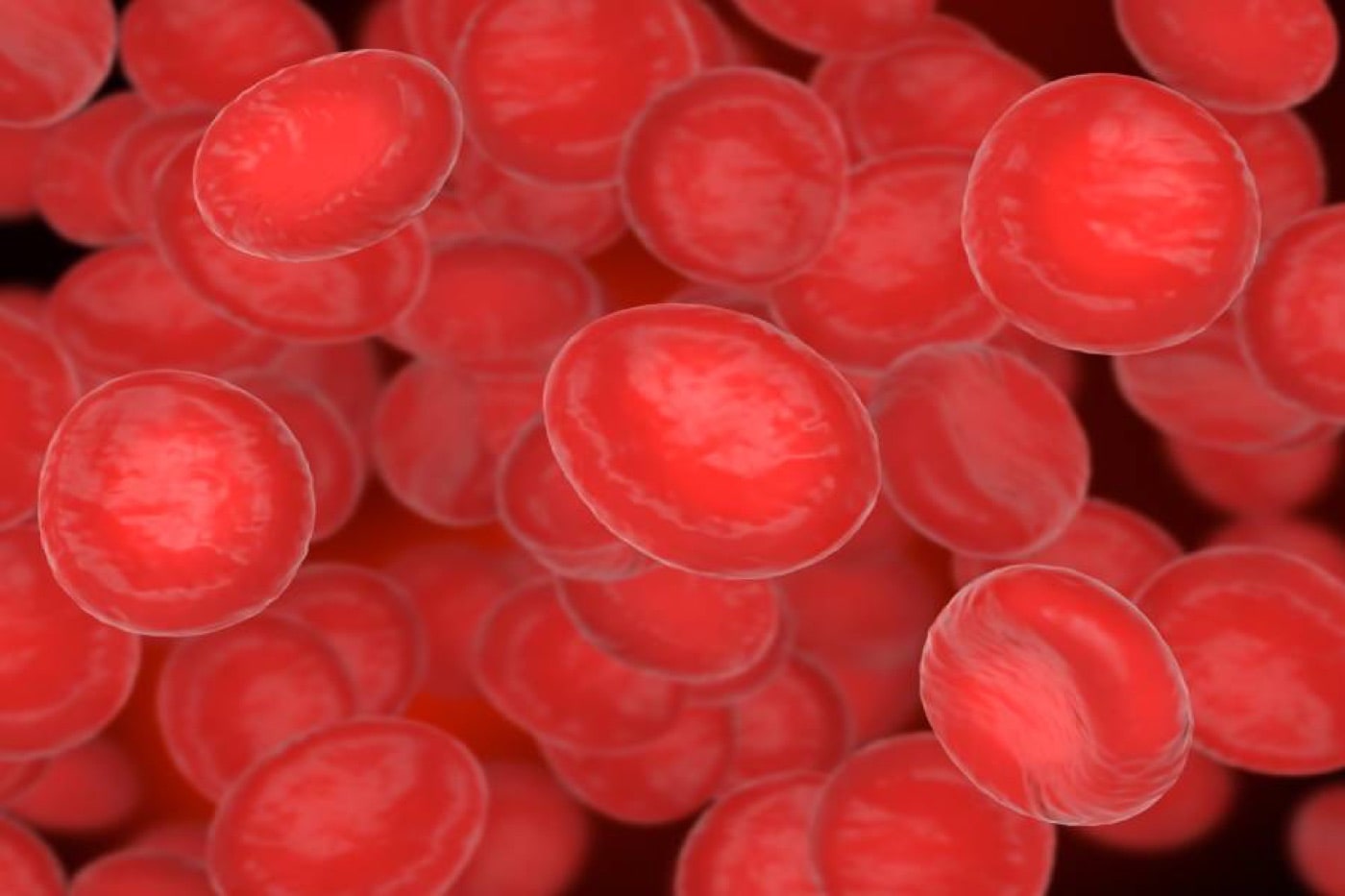
Hemoglobin is an iron-containing protein found in red blood cells that carries oxygen to your organs and tissues and carries carbon dioxide back to your lungs.
Low hemoglobin levels can occur because of anemia, which can lead to symptoms such as:
- Fatigue
- Difficulty breathing
- Skin that looks pale or yellowish
- Cold hands and feet
- Tiredness or weakness
- Dizziness
- Lightheadedness
- Increased heart rate
- Headache
- Pain in the bones, chest, abdomen and joints
What Are Normal Hemoglobin Levels?
Hemoglobin level is measured as the amount of hemoglobin in grams (g) per deciliter (dL) of whole blood (1 dL = 100 mL).
Normal ranges for hemoglobin vary by age, ethnicity and sex:
- Newborns: 17–22 g/dL
- 1 week of age: 15–20 g/dL
- 1 month of age: 11–15 g/dL
- Young children: 11–13 g/dL
- Adult men: 14–18 g/dL
- Adult women: 12–16 g/dL
- Older men: 12.4–14.9 g/dL
- Older women: 11.7–13.8 g/dL
What Causes Low Hemoglobin?
Different types of anemia have different causes:
- Iron deficiency
- Vitamin deficiency
- Aplastic
- Hemolytic
- Sickle cell
- Anemia associated with bone marrow disease
Other common causes of anemia include:
- Blood loss (injury, surgery, bleeding, etc.)
- Nutritional deficiencies (iron, vitamin B12 and folate)
- Bone marrow problems
- Certain medications that suppress red blood cell production
- Kidney disease (anemia of chronic disease)
- Abnormal hemoglobin structure (sickle cell anemia or thalassemia)
How Can Hemoglobin Levels Be Increased?
1. Increase Your Iron Intake
Iron deficiency is the most common cause of low hemoglobin levels. Eating more iron-rich foods can help support hemoglobin production, which in turn helps maintain the structure of red blood cells. Examples of iron-rich foods include:
- Meat and fish
- Soy products, including tofu and edamame
- Eggs
- Dried fruits such as dates and figs
- Broccoli
- Green leafy vegetables such as kale and spinach
- Green beans
- Nuts and seeds
- Peanut butter
Although the recommended daily iron intake can vary depending on age, weight, diet and sex, adult men generally need up to 8 mg of iron per day, while women aged 18–50 need about 19 mg of iron per day.
2. Increase Your Vitamin C Intake
Vitamin C is a nutrient that can help iron be absorbed better. Vitamin A and beta-carotene also help the body absorb and use iron effectively. Examples of foods rich in vitamin C include:
Vitamin A and beta-carotene also help the body absorb and use iron effectively.
- Oranges
- Lemons
- Kiwi
- Strawberries
- Papaya
- Bell peppers
- Broccoli
- Grapefruit
- Tomatoes
- Blackcurrants
- Brussels sprouts
- Potatoes
Adults aged 19–64 need 40 mg of vitamin C per day. You should be able to get all the vitamin C you need from your daily diet.
3. Increase Your Folate Intake
Folate is a type of B vitamin that is essential for red blood cell production. Your body needs folate to make red blood cells and to synthesize their DNA; without enough folate, red blood cells cannot be produced in sufficient numbers or in a healthy form. For this reason, increasing your folate intake can help raise hemoglobin levels. Some great sources of folate include:
- Beef
- Green leafy vegetables
- Rice
- Peanuts
- Black-eyed peas
- Kidney beans
- Avocado
- Sprouts
- Wheat germ
- Bananas
- Broccoli
- Chicken liver
4. Don't Neglect Fruits That Support Iron Absorption
Apples and pomegranates are not rich sources of iron, so on their own they do not raise hemoglobin levels. However, the vitamin C in fruit can help the body absorb plant-based iron eaten at the same meal. Pomegranates also contain fiber and can be eaten as part of a balanced diet.
5. Switch to Brown Rice
Brown rice is a superfood that can help prevent a variety of conditions, including cholesterol problems and stomach-related problems. It is also rich in iron and can help produce hemoglobin in the blood. Brown rice contains 0.52 mg of iron per 100 grams.
6. Eat Dark Chocolate
Dark chocolate with more than 80% cocoa is known to naturally improve hemoglobin levels in the blood. In addition to being packed with nutrients, minerals and antioxidants, dark chocolate is also rich in iron, and a medium-sized bar contains 6.9% of the recommended daily iron intake.
7. Drink Nettle Tea
Nettle is an herb rich in B vitamins, iron and vitamin C that can help raise hemoglobin levels.
8. Avoid Iron Blockers
Try to avoid foods that can interfere with your body's ability to retain iron, especially if your hemoglobin count is low. Some examples of iron blockers include:
- Coffee
- Tea
- Cola drinks
- Wine
- Beer
9. Take Iron Supplements
Your doctor may prescribe iron supplements depending on your hemoglobin levels. Iron supplements will help raise iron levels gradually over several weeks to months. People with extremely low hemoglobin levels may need iron injections or a blood transfusion.
The information on our website is not intended to direct individuals to any treatment. Do not take any diagnostic or treatment steps without consulting your doctor. The content does not contain information about İzmir Can Hastanesi's therapeutic healthcare services.