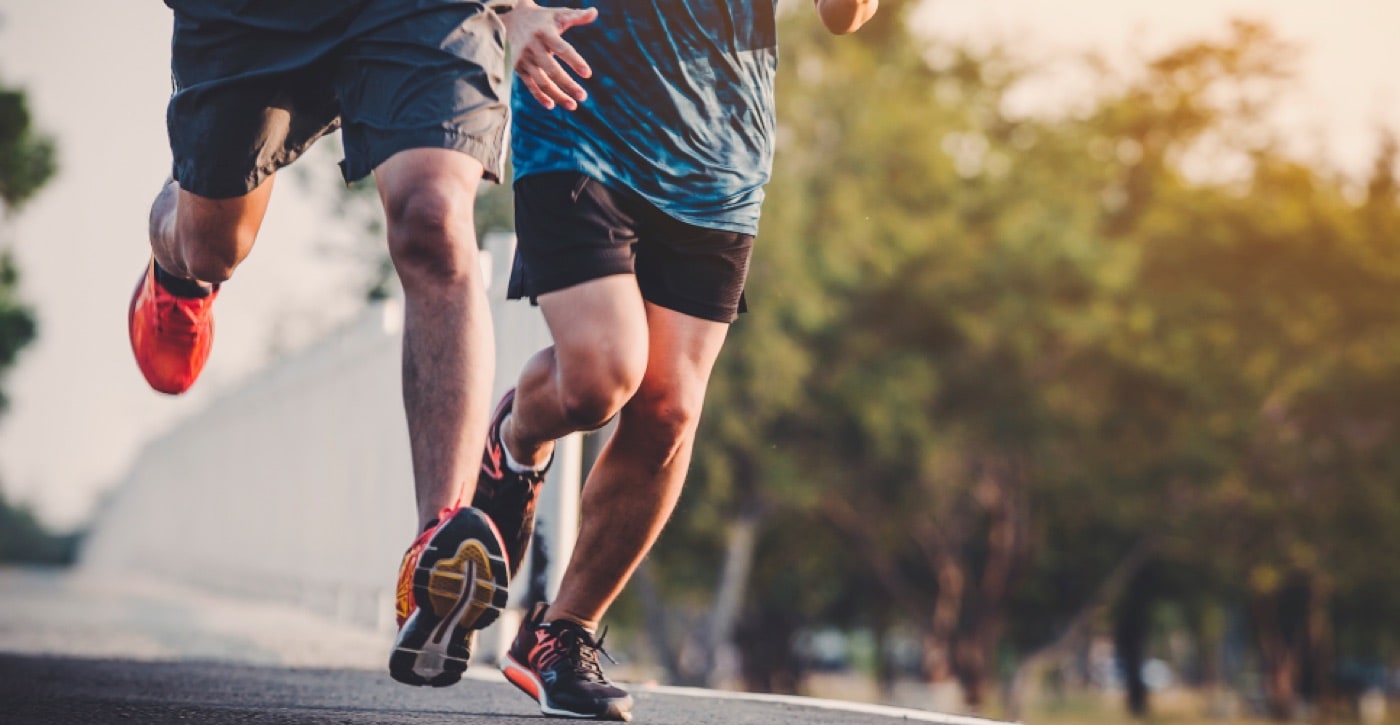
The physical inactivity that comes with modern life has become one of the greatest threats to our health. Sitting at a desk for long hours, driving instead of walking and neglecting physical activity invite serious health problems. Exercise, however, is one of the most powerful tools for reversing these negative effects. Contrary to popular belief, exercise is essential not only for weight control but also for protecting our overall health, gaining peace of mind and improving our quality of life.
The Benefits of Exercise for Physical Health
Exercise is one of the most effective ways to keep our bodies strong and healthy.
Protecting Cardiovascular Health: The Cardiovascular Effects of Exercise
Regular exercise boosts blood circulation and helps the heart work more efficiently. Aerobic activities such as running, swimming and cycling help balance blood pressure and reduce the risk of heart disease. By preventing the development of atherosclerosis (hardening of the arteries), exercise acts as a protective shield against heart attacks.
Increasing Muscle and Bone Strength: The Most Effective Way to Slow Aging
As we age, muscle mass decreases and bone density declines. However, resistance training and weight training strengthen the muscles while increasing bone density, providing protection against conditions such as osteoporosis. With this natural way of slowing aging, you can keep your body vigorous.
The Role of Exercise in Fighting Obesity
A sedentary lifestyle and an unhealthy diet are among the main causes of weight gain. Exercise speeds up the metabolism and helps the body burn more fat. Regular physical activity makes weight control easier while making the body fitter and healthier.
Strengthening the Immune System: Becoming More Resistant to Disease
Regular exercise activates the body’s immune cells, making it more resistant to disease. Exercise supports the immune system by reducing the harmful effects of free radicals.
The Mental and Emotional Effects of Exercise
Exercise is an activity that strengthens not only the body but also the mind.
Endorphins and Happiness: How Exercise Creates Chemical Balance in the Brain
During exercise, “happy hormones” such as endorphins and serotonin are released. Thanks to these biochemical changes, you feel happier and more energetic. This natural medicine, which reduces the effects of stress, supports your psychological well-being.
The Power of Exercise in Fighting Depression and Anxiety
The stress of daily life can worsen symptoms of anxiety and depression. Regular exercise, however, relaxes the nervous system, reduces anxiety and stabilizes your mood. Regular physical activity is a form of drug-free therapy.
A Habit That Improves Memory and Concentration
Exercise increases the amount of oxygen reaching the brain, strengthening memory and concentration. Especially for people who work intensively, exercise plays an important role in boosting professional and academic success.
Managing Stress and Anger: The Role of Exercise in Emotional Regulation
Physical activity is one of the most effective ways to relieve the stress of the day. A workout after a busy day lowers the cortisol level in your body, helping you calm down and relax.
A workout after a busy day lowers the cortisol level in your body, helping you calm down and relax.
The Effects of Exercise on Social Life
Team sports such as basketball, soccer and volleyball give people a sense of team spirit while developing social communication skills. You can benefit from this aspect of sports to communicate effectively at work and in daily life.
Developing Personal and Social Skills Through Team Sports
Team sports such as basketball, soccer and volleyball help people develop team spirit while also improving their communication skills.
Greater Discipline and Motivation Through Exercise
Exercise is a habit that builds discipline. Sticking to training programs, setting personal goals and reaching them boosts overall motivation and drives success in other areas of life as well.
Meeting New People and Strengthening Social Bonds
Gyms, yoga classes and running groups offer great opportunities to expand your social circle. Meeting new people also helps you have fun while you exercise.
The Educational Role of Sports for Children and Young People
Starting sports in childhood helps children acquire values such as responsibility, discipline and leadership, in addition to supporting physical development. Sports support both the physical and mental development of children.
How Can We Make Exercise Part of Our Lives?


The Best Time to Start Exercising Is Now!
There is no need to look for the perfect time to exercise. The best moment to start is the moment you take action! Starting with small steps can make a big difference in the long run.
Which Sport Is Right for You?
Every person’s physique and interests are different. Choosing a type of exercise that you enjoy and can stick with is the key to exercising regularly.
Make Moving a Habit in Your Daily Life
Even small changes such as taking the stairs instead of the elevator, walking short distances and not sitting for long periods at work can make the transition to an active lifestyle easier.
Ways to Boost Your Motivation
Setting your own goals, listening to music you enjoy while exercising and training with a workout partner can help you stay motivated.
The information on our website is not intended to direct individuals to any treatment. Do not take any diagnostic or treatment steps without consulting your doctor. The content does not contain information about İzmir Can Hastanesi's therapeutic healthcare services.