
“Since 1947, the first week of January has been designated Tuberculosis Education and Awareness Week in Türkiye.”
Tuberculosis (TB) is one of the most common chronic (long-term) infectious diseases, and its treatment takes longer than that of other infectious diseases. When it is left untreated or treated irregularly, the disease can become chronic or multidrug-resistant tuberculosis can develop. Tuberculosis is caused by a germ called Mycobacterium tuberculosis, which most often affects the lungs but can also affect many other organs in the body.
How Is Tuberculosis (TB) Transmitted?
Pulmonary tuberculosis (while the disease is active) is transmitted by the droplet route: droplets released into the air when a person talks, coughs, sneezes or exhales forcefully remain suspended in the air and are inhaled by other people. The germ that reaches the lungs is either contained in the body and remains a silent infection, or it causes disease. One in ten people with a silent infection may also become ill at a later date.
Who Is Tuberculosis More Common In?
Tuberculosis is more common in children under 5, older adults, people with HIV infection, people receiving immunosuppressive treatment, people with diabetes mellitus, chronic kidney failure or cancer, people weighing less than 90% of their ideal body weight, smokers, people with drug addiction or who use alcohol, and people who work with coal dust.
How Is Tuberculosis Diagnosed and Treated?
The most common symptoms are a cough lasting longer than 2-3 weeks, fever, night sweats, loss of appetite, weight loss, fatigue, weakness, coughing up phlegm, coughing up blood, shortness of breath, and chest and back pain. The diagnosis is made by demonstrating the germ in sputum or in samples taken from the respiratory tract.
It is treatable. With regular medication, every patient can recover in 6-9 months. Untreated cases carrying the germ, or those treated for too short a time, pose a serious danger to their families, those around them and the community in shared living spaces. The most important factors in preventing the spread of the tuberculosis bacillus are early diagnosis, appropriate isolation and effective treatment of the tuberculosis patient.
It is treatable. With regular medication, every patient can recover in 6-9 months.
TB programs should:
- Ensure accurate communication with people affected by TB and with all stakeholders using virtual communication tools.
- Ensure that people receiving TB treatment have a supply of their TB medications for several months at home.
- Ensure the use of digital adherence/support tools appropriate to local conditions.
- Ensure that people with TB receive the necessary psychosocial, nutritional and economic support.
- Make sure TB care providers are well informed, and use the necessary personal protective equipment.
- Switch to injection-free treatment for drug-resistant TB. Make sure the necessary systems are in place for remote monitoring of side effects and for minimizing hospital visits.
- Maintain an uninterrupted supply of TB medications in quarantine situations by procuring early and carefully planning local distribution and transport.
Frequently asked questions about tuberculosis (TB):
- Tuberculosis is a contagious disease caused by a bacterium called Mycobacterium tuberculosis, and it usually affects the lungs. The bacterium is spread through droplets released into the air when a person with tuberculosis coughs, sneezes or talks. Prolonged and close contact increases the risk of transmission.
- The most common symptoms of tuberculosis are:
A chronic cough lasting longer than two weeks
Coughing up bloody phlegm
Chest pain
Night sweats
Fatigue and weakness
Loss of appetite and weight loss
Low-grade fever and chills - Several tests are used to diagnose tuberculosis:
Tuberculin skin test (PPD test): Measures the immune system's response to a substance injected into the skin.
Blood tests: Tests that measure the immune system's response to the tuberculosis bacterium.
Sputum test: Used to detect the bacterium in the lungs directly.
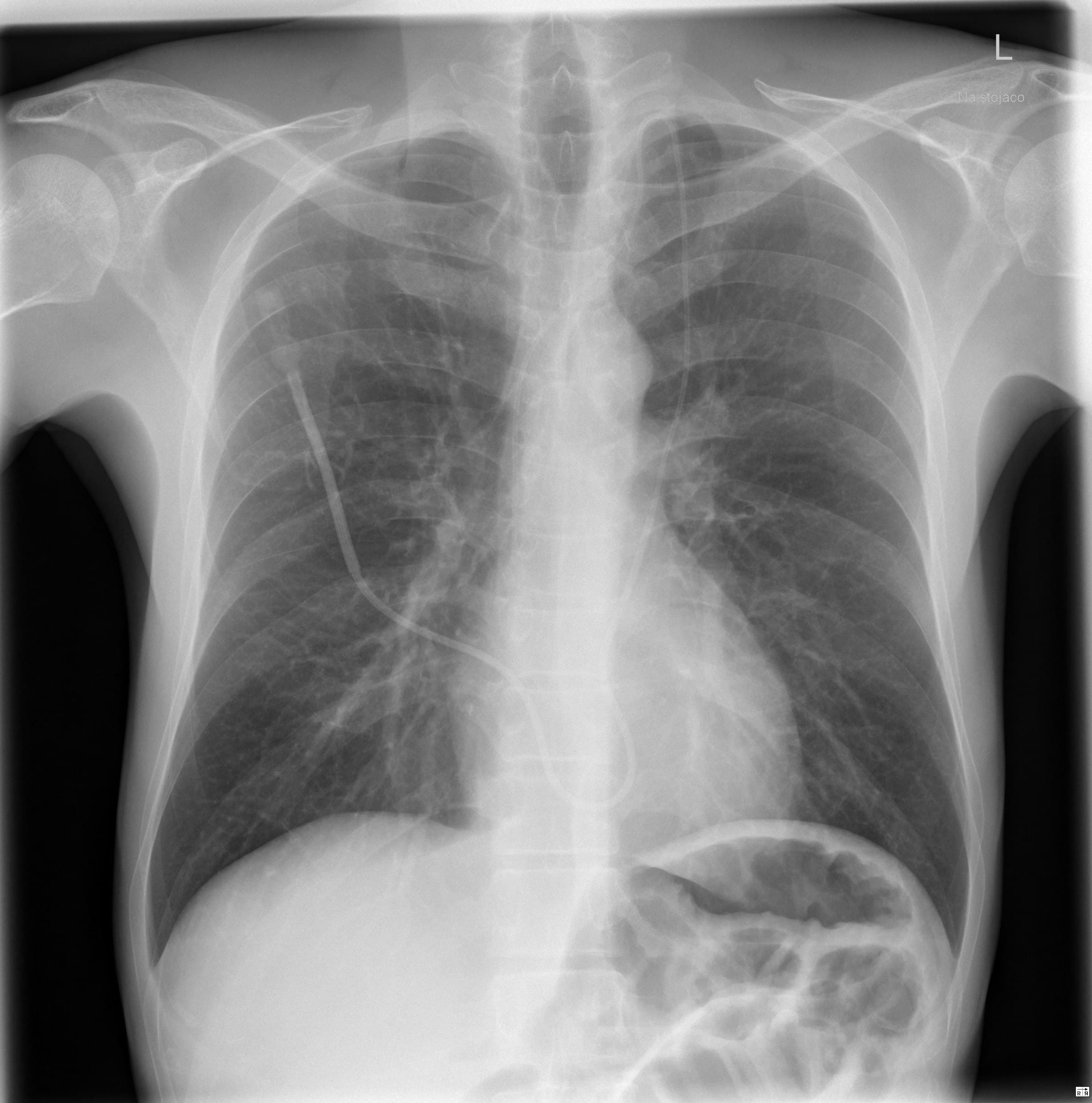
Chest X-ray or CT scan: Performed to see whether there are lesions in the lungs. - Tuberculosis is usually treated with antibiotic therapy lasting 6 to 9 months. Commonly used drugs include:
Isoniazid (INH)
Rifampicin (RIF)
Pyrazinamide (PZA)
Ethambutol (EMB)
The medications must be taken regularly and completely throughout treatment; otherwise, drug-resistant tuberculosis may develop. - Yes, the BCG vaccine provides protection against tuberculosis. It is given especially to babies and to people living in regions where tuberculosis is common. However, its effect in adults is limited, and it cannot completely prevent tuberculosis.
- Yes, tuberculosis is contagious. Measures that can be taken to prevent transmission include:
Avoid spending long periods in enclosed spaces with sick people.
Tuberculosis patients should wear a mask.
Stay in well-ventilated environments.
Patients' contagiousness should be reduced through early diagnosis and regular treatment. - If left untreated, tuberculosis can lead to serious health problems:
Permanent lung damage
Spread of the bacterium through the bloodstream (miliary tuberculosis)
Organ involvement such as meningitis, and kidney and liver tuberculosis
Risk of death - Some groups are at higher risk of contracting tuberculosis:
People with weakened immune systems (people with HIV/AIDS, cancer patients)
People with malnutrition
Smokers and people with high alcohol consumption
People living in crowded and poorly ventilated environments
People living in regions where tuberculosis is common - The following measures can be taken to prevent the spread of tuberculosis:
Patients should follow their treatment and take their medications regularly.
The mouth should be covered when coughing or sneezing in public places.
Sick people should be isolated, and close contact should be limited, especially during the first two weeks.
Regular screening should be carried out in hospitals and health centers.
Healthcare workers and people in at-risk groups should take protective measures. - Tuberculosis weakens the immune system, leaving the body vulnerable to other infections. It can lead to the following conditions that harm the immune system:
Deterioration of overall health due to chronic inflammation
Overloading of the immune system if tuberculosis spreads
A more severe course in people with HIV/AIDS
Easier spread in people receiving immunosuppressive treatment (for example, chemotherapy patients)
Tuberculosis is a disease that can be controlled with early diagnosis and the right treatment. However, if its treatment is neglected, it can lead to serious health problems.
What is tuberculosis and how is it transmitted?

What are the symptoms of tuberculosis?
How is tuberculosis diagnosed?
What are the treatment methods for tuberculosis?
Is there a tuberculosis vaccine, and who needs it?
Is tuberculosis contagious, and how can it be prevented?
What are the consequences of untreated tuberculosis?
What are the risk factors for tuberculosis?
What measures should be taken to prevent the spread of tuberculosis?
What are the effects of tuberculosis on the immune system?
The information on our website is not intended to direct individuals to any treatment. Do not take any diagnostic or treatment steps without consulting your doctor. The content does not contain information about İzmir Can Hastanesi's therapeutic healthcare services.