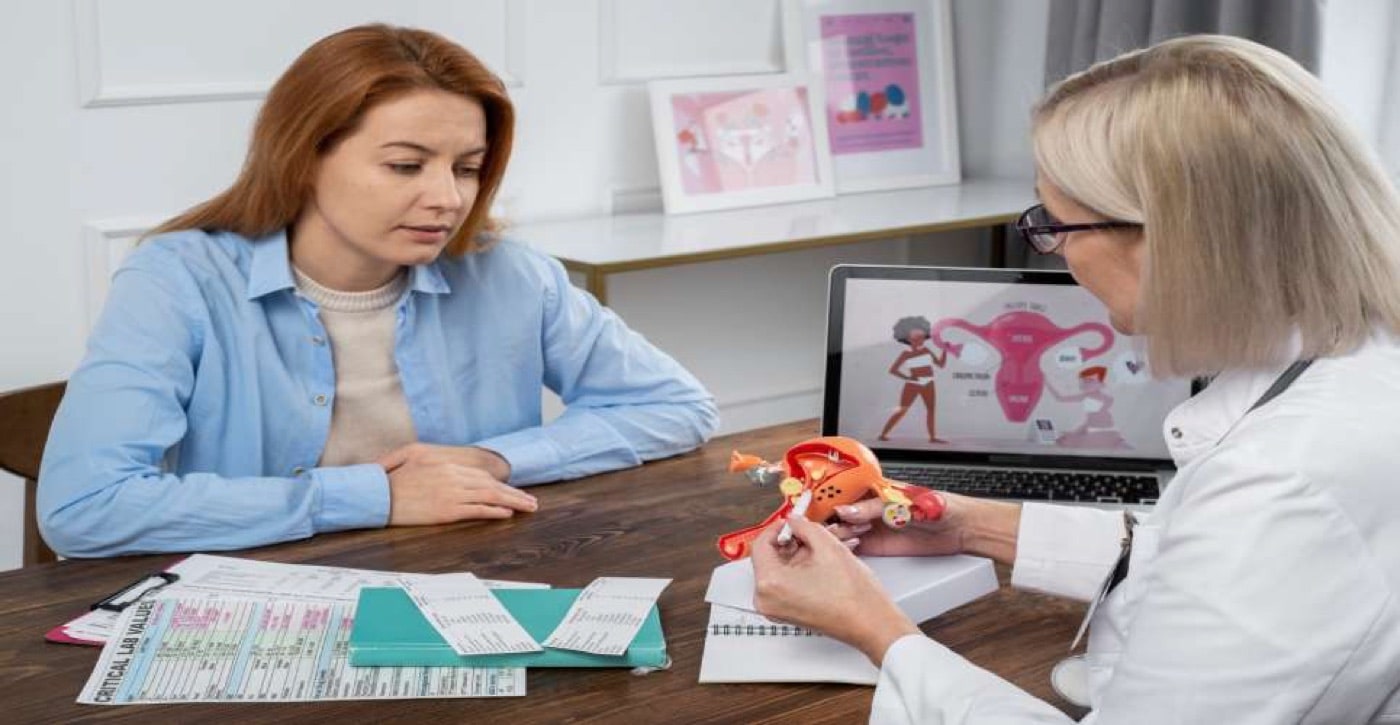
Vaginismus is a condition in which sexual intercourse cannot take place because the vaginal muscles contract involuntarily during sex. This problem affects one in every 10 women in Türkiye. The causes of vaginismus are generally considered to be psychological in origin, and various methods are available for treating vaginismus once it is diagnosed.
What Are the Exercises and Home Treatment Methods for Vaginismus?
Sex therapy sessions can be effective in treating vaginismus. When appropriate treatment methods are chosen under specialist supervision and treatment is started early, high success rates are reported in vaginismus treatment. The treatment process may take an average of 8 to 10 weeks. The specialist doctors at Can Hastanesi help you by creating a personalized treatment plan.
For patients who come to Can Hastanesi in İzmir for vaginismus treatment, one of the first points we emphasize is that every patient has their own story and that finding the right treatment method is important. Vaginismus is a common condition that affects one in every 10 women in Türkiye.
Key Facts About Vaginismus
- Primary vaginismus is seen in women who have never been able to have sexual intercourse, while secondary vaginismus can develop in women who have previously had normal sexual intercourse.
- Vaginismus is usually a problem of psychological origin.
- Causes of vaginismus include sexual trauma, a negative sexual experience, a history of traumatic childbirth or gynecological procedures, stress and conditions such as vulvar vestibulitis.
- Sex therapy sessions and behavioral therapies can be effective in treating vaginismus.
- When appropriate treatment methods are chosen and treatment is started early, high success rates are reported in vaginismus treatment
What Are the Types of Vaginismus?
Vaginismus is divided into two main types: primary vaginismus and secondary vaginismus. Primary vaginismus occurs in women who have never had sexual intercourse and is also known as lifelong vaginismus. In this case, women may have difficulty having intercourse for months despite being married and may remain virgins. This can cause major problems in the marriage. Secondary vaginismus refers to being unable to have sexual intercourse after having had it before, due to events that occurred later. Secondary vaginismus can develop as a result of past traumas such as miscarriage, abortion and sexual abuse.
Causes of vaginismus include factors such as sexual harassment or abuse, vaginal yeast infections, a history of traumatic childbirth or gynecological procedures, generalized anxiety, stress and domestic violence. For vaginismus to be diagnosed and treated correctly, the patient and her partner need to see a doctor together. Sex therapy sessions can be arranged and behavioral therapies can be used in the treatment of vaginismus. High success rates are reported in vaginismus, and treatment usually takes 8 to 10 weeks.
What Are the Psychological Causes of Vaginismus?
It is common for psychological factors to underlie vaginismus. Negative sexual experiences or traumatic things witnessed in the past can create fear and negative feelings about sexual intercourse in a woman. Anxiety disorders, excessive nervousness, inadequate sex education and family pressure also contribute to the development of vaginismus. Mistaken beliefs and attitudes about sexual intercourse and feelings of shame are also among the psychological causes.
Fear of pain and fear of pregnancy are common in women with vaginismus. Believing that the vagina is too small, having had a bad sexual experience or a history of a negative gynecological examination also increases the risk of vaginismus. All of these psychological factors become embedded in the subconscious and lead to reflexive contraction of the muscles around the vagina.
What Are the Physical Causes of Vaginismus?
Although the underlying causes of vaginismus cannot always be clearly identified, some physical conditions may also play a role. Vaginal tears that occur during childbirth and conditions such as vulvar vestibulitis syndrome can cause pain during intercourse and pave the way for vaginismus.
Although the underlying causes of vaginismus cannot always be clearly identified, some physical conditions may also play a role.
Rarely, vaginismus may also arise from another physical problem related to the vagina. In such cases, surgery may be needed to treat the underlying problem.
In conclusion, vaginismus can have both psychological and physical causes. While psychological factors such as sexual abuse, trauma and anxiety are common, childbirth injuries and certain diseases also increase the risk of vaginismus. In treatment, it is important first to identify the underlying cause.
What Are the Symptoms of Vaginismus?
Avoiding sexual intercourse is one of the most common symptoms in women with vaginismus. Because of fear and anxiety during intercourse, reactions such as tightening of the legs and pulling away may be seen. Women with vaginismus often avoid having a vaginal examination. Painful intercourse and being unable to have a Pap smear test are other common symptoms.
Vaginismus can also cause other symptoms in the body. Feeling pain during intercourse is the most common. Discomfort and pain may be felt when a tampon or instruments such as the speculum used during a pelvic exam are inserted into the vagina. In addition, women with vaginismus often fear and avoid sexual intercourse.
Vaginismus is more common in societies where sexuality is not discussed openly, and lack of information can also contribute to the condition. If you are experiencing symptoms of vaginismus, it is very important to see a doctor who specializes in this area. With the right treatment methods, the fears and anxieties caused by vaginismus can be overcome, and a healthy sex life is possible. High success rates are reported, and the average treatment period can range from 8 to 10 weeks.
How Is Vaginismus Diagnosed?
A comprehensive evaluation by a specialist obstetrician-gynecologist is very important in diagnosing vaginismus. In the vaginismus treatments we provide in İzmir, the diagnostic process we carry out with the expert team at Can Hastanesi is based on the patient's medical history and gynecological examination findings. Vaginismus can be diagnosed with a simple gynecological evaluation performed by an experienced doctor, without the need for any device or instrument.
The Patient's Medical History in Diagnosing Vaginismus
During the examination, the doctor will ask questions about the patient's medical and sexual history. The doctor will ask for details such as when the pain during intercourse started, exactly where the pain is felt, what it feels like and whether it occurs with every sexual partner or in every position. Your past sexual experiences, surgeries and childbirth history will also be part of the evaluation. During vaginismus treatment at Can Hastanesi, we create treatment plans based on the answers we receive from our patients and carry out a recovery process that puts the patient's story and medical history first.
How Is the Pelvic Examination Performed in Diagnosing Vaginismus?
The pelvic examination plays an important role in diagnosing vaginismus. During this examination, the doctor checks whether there is any anatomical problem that could prevent intercourse. If you feel severe pain or discomfort during the examination, the doctor may stop the procedure. The pelvic examination findings will support the diagnosis of vaginismus.
Vaginismus is a common problem that affects about 10% of women in Türkiye. The first type, called primary vaginismus, is seen in women who remain virgins for months despite being married, while secondary vaginismus is less common and usually develops as a result of past sexual trauma. Methods such as psychotherapy and relaxation exercises are used to treat vaginismus, and high success rates are reported.
How Is Vaginismus Treated?
One of the most effective methods for treating vaginismus is psychotherapy provided by a sex therapist. It is reported that a significant proportion of women who visit sex therapy centers in Türkiye show signs of vaginismus. High success rates are reported with appropriate sex therapy for vaginismus. Treatment takes an average of 8 to 10 weeks.
Cognitive behavioral therapy (CBT) is also very effective in treating vaginismus. This therapy aims to change the thought and belief systems that underlie vaginismus. In addition, a number of vaginismus exercises and techniques to relax the vaginal opening may be recommended. These exercises help relax the pelvic floor muscles and improve control.
The information on our website is not intended to direct individuals to any treatment. Do not take any diagnostic or treatment steps without consulting your doctor. The content does not contain information about İzmir Can Hastanesi's therapeutic healthcare services.