
Pneumonia is among the most common diseases, one of the leading reasons people see a doctor and one of the diseases that cause the most deaths. It is more common in children, adults over 65, people with a chronic illness (such as kidney disease, diabetes, heart disease or lung disease), smokers, and people with a disease or medication that suppresses the immune system.
Pneumonia is an infection of the lung tissue on one or both sides, caused by agents such as viruses, bacteria or fungi. The infection usually begins like a simple cold or upper respiratory tract infection and then progresses downward.
Community-acquired pneumonia (CAP) is responsible for a significant share of hospital visits, treatment costs, lost work and school days, and deaths worldwide.
Today, while deaths from infectious diseases are steadily declining thanks to the widespread use of antibiotics and effective immunization policies, community-acquired pneumonia remains a major cause of illness and death.
What Are the Symptoms of Pneumonia?
- Fever, shivering, chills, sweating,
- Cough, phlegm,
- Chest/back pain,
- Rapid breathing,
- Wheezing in the chest,
- Nausea,
- Vomiting,
- Headache,
- Muscle and joint pain,
- Fatigue,
- Loss of appetite.
How Is Pneumonia Diagnosed?
- Detailed medical history and physical examination,
- Chest X-ray,
- Necessary blood tests,
- Sputum examination and culture,
- Computed tomography.
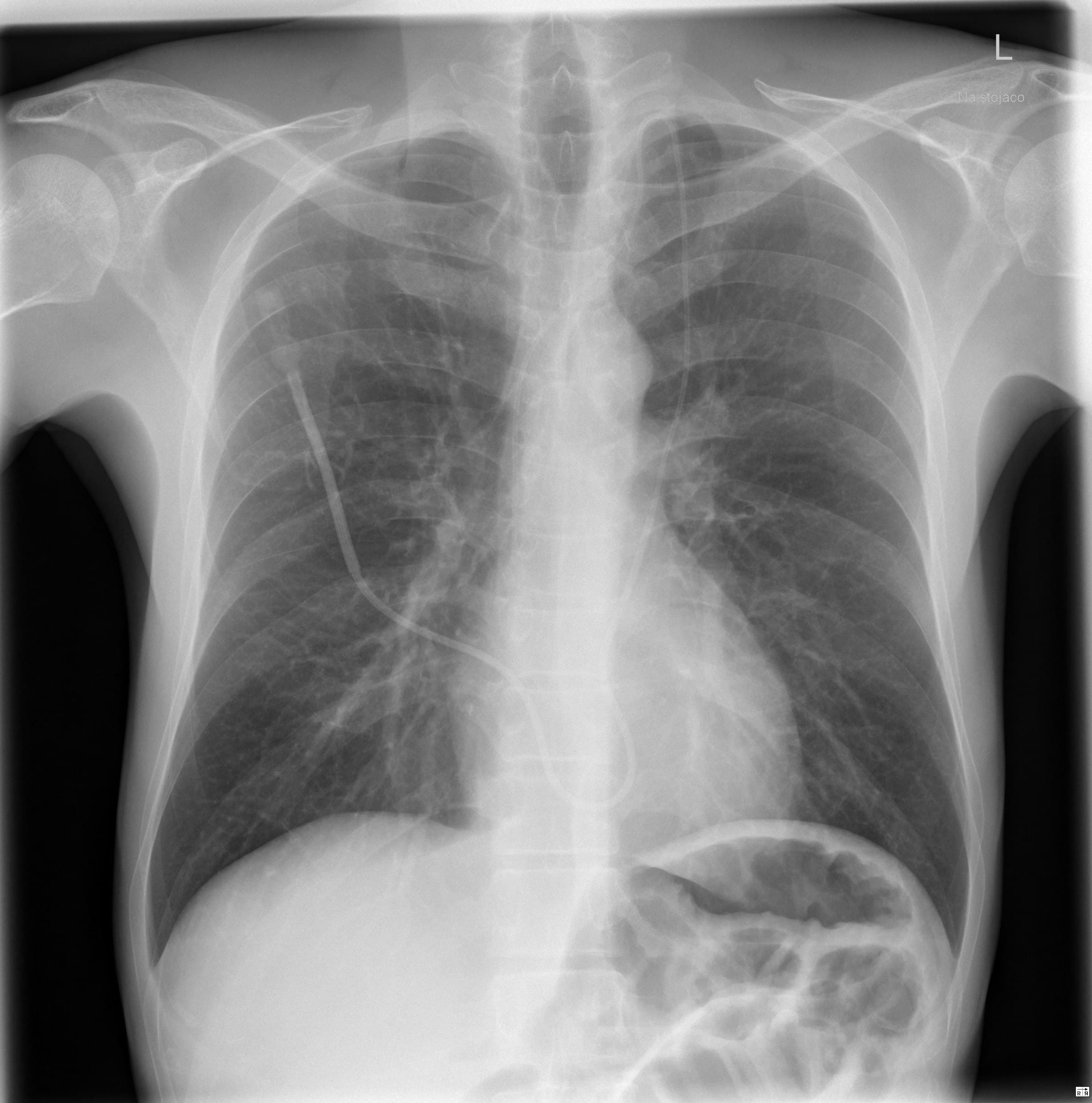
Patients who present with symptoms of pneumonia are examined, and the diagnosis is usually made with a chest X-ray. In severe pneumonia and in patients who need to be hospitalized, further tests such as blood tests, computed tomography and sputum tests may be required. A sputum sample must be examined to identify the microbe causing the pneumonia. However, for various reasons, it is often not possible to identify the microbe.
Patients who present with symptoms of pneumonia are examined, and the diagnosis is usually made with a chest X-ray.
How Is Pneumonia Treated?
Treatments such as antibiotics, plenty of fluids, rest, painkillers and fever reducers are generally used. Patients who need to be hospitalized may require different treatments. In very severe pneumonia, admission to intensive care and respiratory support may become necessary.
It is often not possible to identify the microbe causing the pneumonia. However, antibiotic treatment must be started as soon as possible after pneumonia is diagnosed. For this reason, antibiotic treatment is started taking into account factors such as the patient's age, chronic illnesses and the severity of the pneumonia. Results showing whether any microbe has been detected in the sputum, and which antibiotics can treat it, are available within 72 hours. Antibiotic treatment can then be adjusted according to these results.

Whether the patient will be treated as an outpatient or admitted to the hospital is decided according to factors such as the patient's age, other illnesses and the severity of the pneumonia.
The duration of treatment may vary depending on the initial severity of the disease, the responsible microbe, whether there is an accompanying illness and the patient's individual response. It is generally recommended to continue antibiotics for another 5–7 days after the fever subsides. However, in pneumonia caused by certain types of microbes, it may be necessary to extend treatment to 10–14 days and sometimes up to 21 days.
Points to Keep in Mind
The frequency and mortality of CAP can be reduced by keeping underlying chronic illnesses under control, eating a balanced diet and drinking plenty of fluids, practicing good hygiene, controlling smoking and drinking habits, and, where necessary, receiving pneumococcal and annual influenza vaccines.
Pneumonia is a disease with a sudden onset that usually improves quickly with treatment. The patient needs to return for a follow-up visit one or two weeks after starting treatment; at this visit, the recovery process and the response to treatment are assessed. Sometimes the treatment period may need to be extended or additional tests may be required.
Sometimes lung cancer, tuberculosis, lung damage after radiotherapy, lung involvement in rheumatic diseases and rarer lung diseases called interstitial lung diseases may also produce findings similar to pneumonia. Pneumonia may also sometimes not be caused by microbes. To distinguish between these conditions and ensure that you are fully diagnosed and treated, you will need to see a pulmonologist for a specialist evaluation.
References:
The information on our website is not intended to direct individuals to any treatment. Do not take any diagnostic or treatment steps without consulting your doctor. The content does not contain information about İzmir Can Hastanesi's therapeutic healthcare services.