Breast milk is of great value to both baby and mother. Breastfeeding strengthens the bond between mother and baby, and breast milk not only meets the baby's nutritional needs but also protects against health problems the baby may face later in life.
Breastfeeding begins with colostrum (the first milk). For the first 6 months the baby should receive only breast milk, and once complementary foods are introduced, breastfeeding can continue as a supplementary source of nutrition until the age of 2. For the first 6 months, breast milk alone can meet the baby's needs for vitamins, minerals, water, energy and protein, and it also helps the baby develop a strong immune system.
It supports the baby's brain development while protecting against infections, obesity, diabetes, high blood pressure, allergic diseases and digestive problems later on (diarrhea and constipation in the early period, and conditions such as Crohn's disease later).
Can Breastfeeding Mothers Diet? What Are Their Daily Energy Needs? Does Dieting Reduce Breast Milk?
The body burns calories to breastfeed and produce milk, so breastfeeding mothers find it easier to lose the weight they gained during pregnancy during this period. A breastfeeding mother's daily energy needs increase by 500–700 kcal.
With a balanced, healthy diet in which energy, protein, fat, fluid, vitamin and mineral intake is set correctly, a mother can lose weight without feeling hungry and without a drop in her milk supply. Diets that focus on a single food, recommend eating only one type of food, or very low-calorie crash diets are not recommended while breastfeeding. With the right nutrition plan prepared by a dietitian, milk supply does not decrease, and the mother can lose excess weight comfortably and healthily.
How Can Breast Milk Supply Be Increased?
Most important of all are drinking plenty of water and breastfeeding often. Breastfeeding mothers should drink at least 2.5 liters of water a day. Breast size does not affect the amount of milk; frequent breastfeeding increases milk production.
Because mothers get hungry often, especially in the first 6 months, they may eat 6–8 meals a day. During this period:
- Drink plenty of water (at least 2.5 liters)
- Get enough calories and eat a balanced diet
- Include both animal and plant protein sources. You can have fish twice a week, red meat twice a week, legumes (chickpeas, borlotti beans, dried white beans) 1–2 times a week and turkey or chicken 1–2 times a week.
- Calcium, iron, zinc, selenium, omega-3, iodine, vitamin B12 and vitamin C are important. If there are no allergies, it is recommended to have:
- 1 egg and some cheese every day
- Unroasted walnuts, hazelnuts and almonds every day, without overdoing it
- 2–3 servings of fruit and plenty of vegetables a day
- 2–3 glasses of yogurt, ayran (yogurt drink), milk and kefir a day
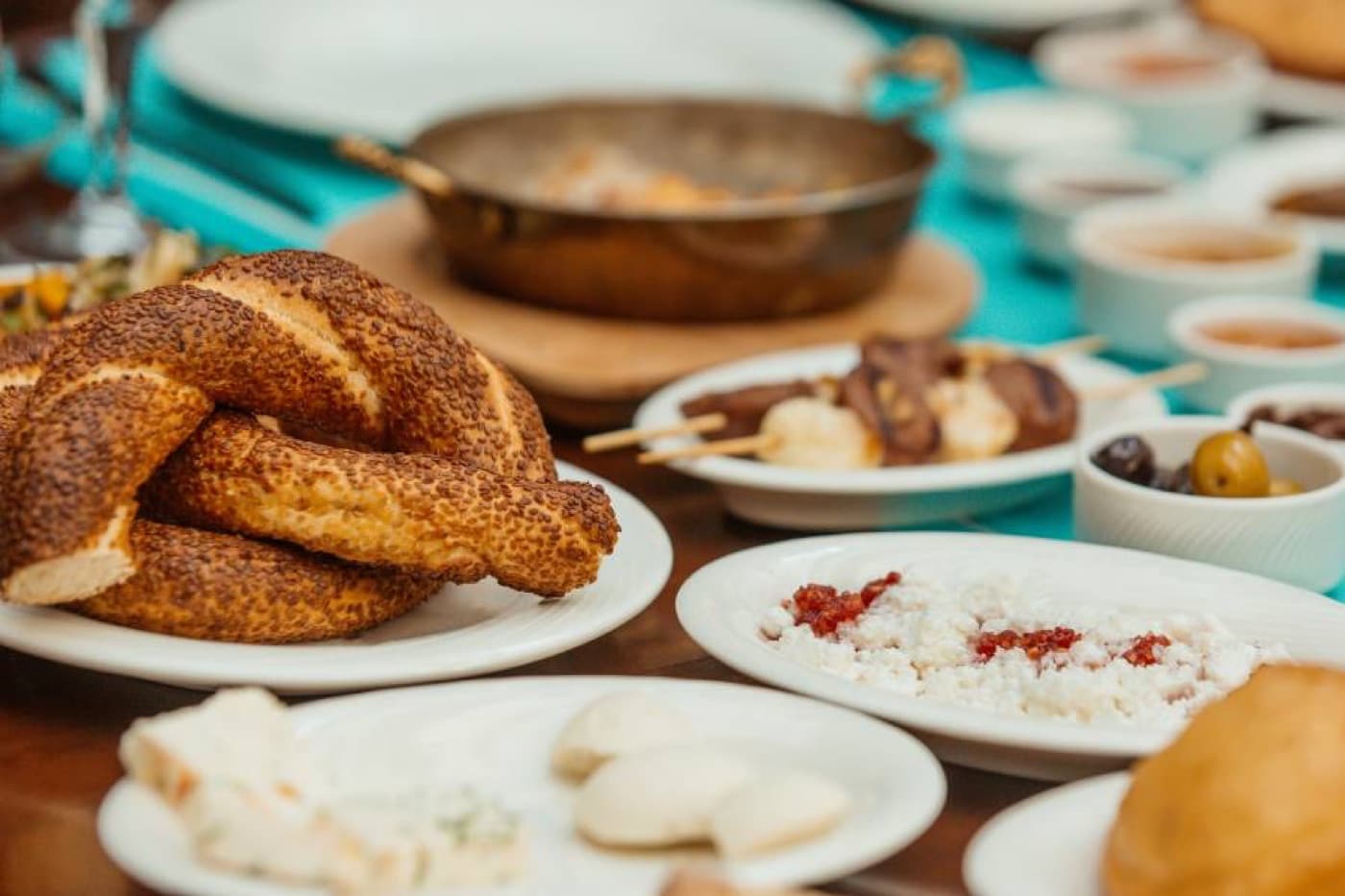
- High-fiber complex carbohydrates such as whole-grain bread, bulgur and oats.
What Should You Do If Your Baby Has Gas?
Until the baby's discomfort passes (about 4 months), the mother should cut down on gas-producing foods. Onions, cauliflower, broccoli, cabbage of all kinds (red, white, Brussels sprouts) and legumes (chickpeas, dried white beans, borlotti beans, etc.) should be eaten only occasionally.
- Before cooking, legumes should be soaked in water for at least 8 hours, and the soaking water should be discarded.
- Adding cumin to meals can reduce gas complaints.
- Caffeinated products such as tea, coffee and chocolate can also cause gas and fussiness in the baby, so intake should be reduced.
- If the baby has an allergy (for example, a cow's milk allergy), dairy products should be removed from the diet completely.
- Fennel tea has a beneficial effect on gas complaints; 1–2 cups a day can be consumed.
The information on our website is not intended to direct individuals to any treatment. Do not take any diagnostic or treatment steps without consulting your doctor. The content does not contain information about İzmir Can Hastanesi's therapeutic healthcare services.