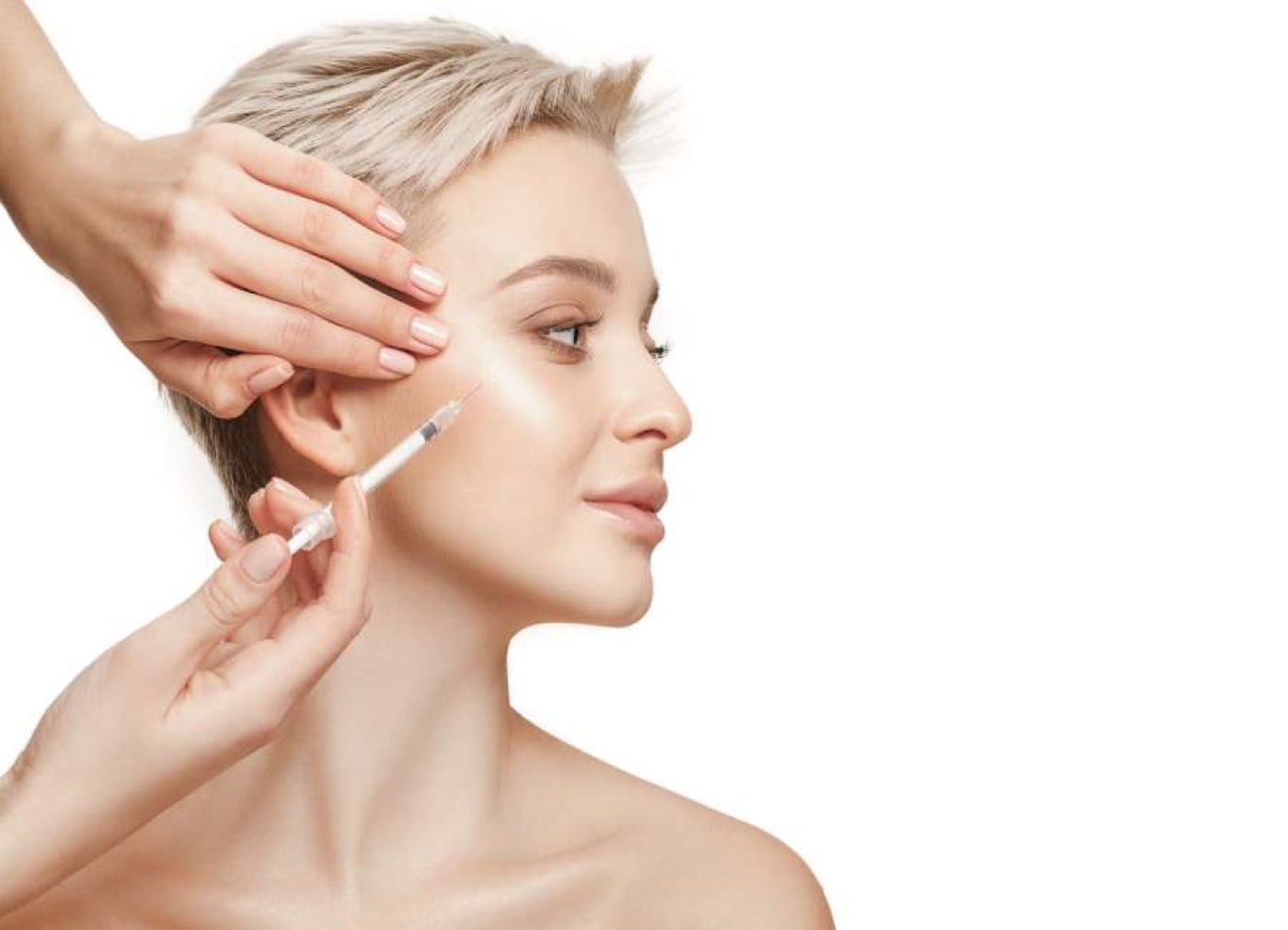
Botox injections use a toxin to prevent a muscle from moving for a limited time. They are most often used to smooth facial wrinkles by relaxing the facial muscles that cause frown lines and other facial wrinkles. Among cosmetic applications, lines and wrinkles on the neck and chest can also be treated, in addition to the face and jaw. Botox is also used to treat neck spasms and other muscle spasms, sweating, overactive bladder, lazy eye and other conditions. It can also help prevent migraines.
The drug in Botox injections is made from the same toxin that causes botulism, a type of foodborne poisoning. As a rule, bacterial toxins used for medical purposes are not harmful when used correctly and meet medical quality-control standards. Botulinum toxin injections, also called the “miracle poison,” are generally well tolerated and have few side effects.To choose the right specialists to provide this service and have the Botox injection performed without complications, you should see a plastic surgeon or a dermatologist. It is important to research the specialists’ qualifications, competence and experience and choose accordingly.
Who Are the Best Candidates for Botox?
According to most plastic surgeons and dermatologists, ideal candidates for Botox injections are people aged 18 or older who are in good physical health and are not pregnant or breastfeeding. Botulinum toxin injections are not recommended if the patient has a skin infection, a neuromuscular disorder or is using certain medications that pose a risk. It helps to have moderately realistic expectations about the results of the procedure.
How Is Botox Done?
The patient’s needs and condition should be assessed. The appropriate form of treatment should be discussed with the specialist. The steps to take if anything goes wrong, the risks and possible side effects should be discussed. If the patient has had a Botox injection in the last four months, they should say so. Patients who take blood thinners should also report this. It may be necessary to stop taking them a few days before the injection to reduce the risk of bleeding or bruising.
The steps to take if anything goes wrong, the risks and possible side effects should be discussed.
Usually little pain is felt during the procedure. However, patients may want the skin numbed beforehand, especially if they are being treated for excessive sweating of the palms or feet. To numb the area, a topical anesthetic or ice/cold application can be used.
How Is Botox Applied?
Different types of botulinum toxin are available to treat facial wrinkles or neck spasms. Botox injections are usually done in a medical setting and can be completed in a short time, about 10 minutes. The specialist uses a thin needle to inject small amounts of botulinum toxin into your skin or muscles. The number of injections needed depends on many factors, such as the size of the treatment area.
What to Watch Out for After Botox
After the procedure, do not rub or massage the treated areas for 24 hours. Do not lie down for 2–4 hours after the injection. Following this advice helps prevent the toxin from spreading to an area where it is not needed. Avoid strenuous exercise, sunbathing and saunas for 2 days. You should carefully follow the advice you are given about what to do and what not to do. Botox injections usually start to work 1 to 3 days after treatment, but it may take a week or longer to see the full results. Depending on the problem being treated, the effect can last 3 to 4 months. Keep in mind that you will need regular follow-up injections to maintain the effect. You need to wait at least 3 months before having another botulinum toxin injection. You can return to your daily activities and normal life right after the procedure.
The information on our website is not intended to direct individuals to any treatment. Do not take any diagnostic or treatment steps without consulting your doctor. The content does not contain information about İzmir Can Hastanesi's therapeutic healthcare services.