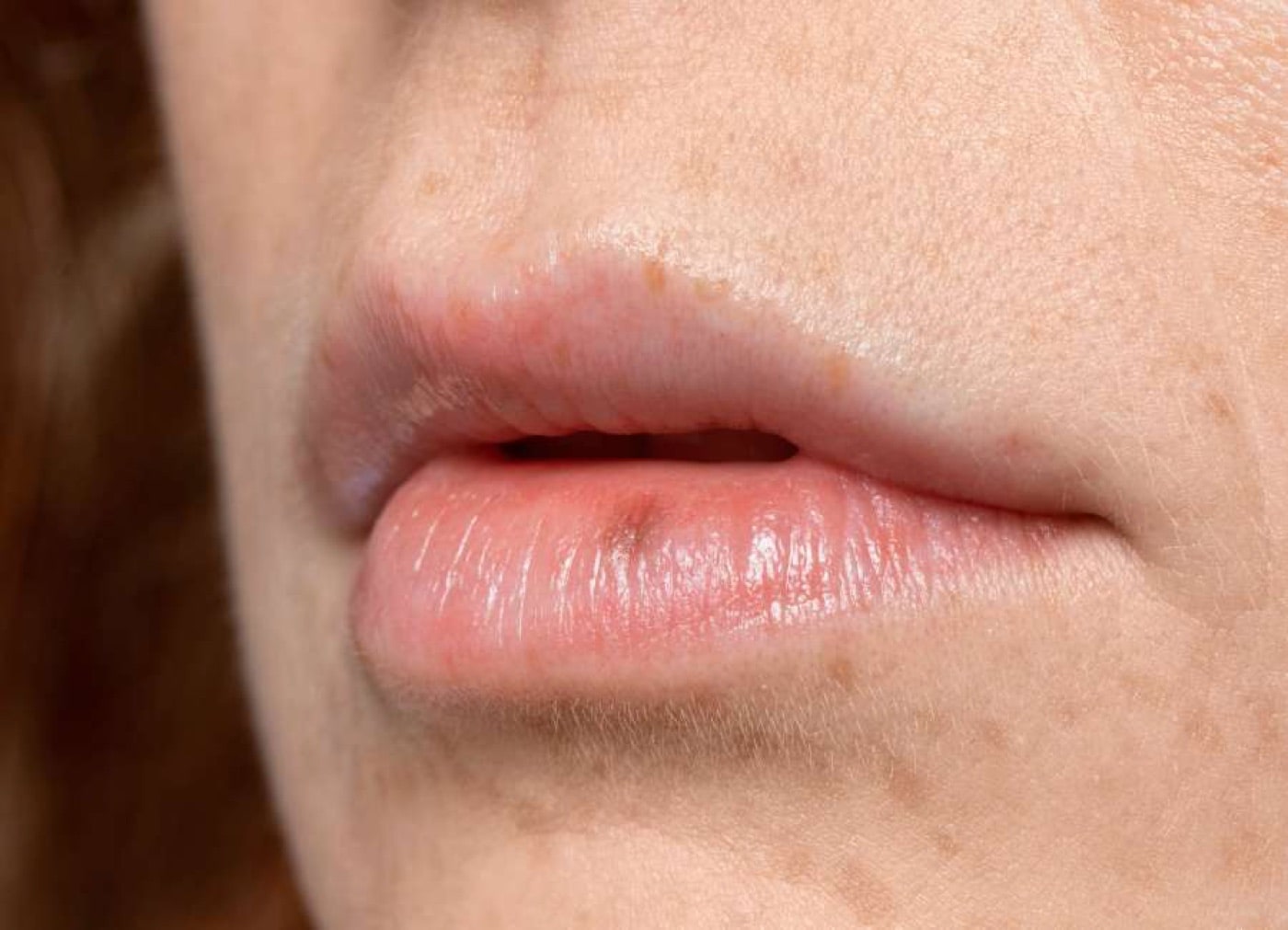
Cold sores are a common viral infection that affects millions of people worldwide. Herpes is a common viral infection caused by the herpes simplex virus (HSV). There are two main types: HSV-1 and HSV-2. HSV-1 usually causes cold sores around the mouth, while HSV-2 is associated with genital herpes. Stress, illness and hormonal changes can increase the risk of herpes and trigger outbreaks.
Symptoms of herpes may include:
- Blisters or sores on the lips, mouth, genitals or other parts of the body
- Itching, burning or tingling in the affected areas
- Fever, muscle aches and fatigue during an outbreak
Some people with herpes may have no symptoms or only very mild ones. However, the virus can be transmitted even when there is no visible sore.
Can Cold Sores Be Prevented?
Living with herpes is about knowing your triggers and avoiding them. A healthy lifestyle and safe sex practices help manage outbreaks and reduce the risk of spreading the virus. Understanding the emotional and social aspects of herpes and getting support can also make a big difference.
Stress, fatigue and certain foods can trigger outbreaks. By paying attention to the factors that affect you and adjusting your lifestyle accordingly, you can reduce the impact of cold sores.
How Do Cold Sores on the Lip Go Away?
Many people turn to natural and alternative methods to cope with cold sores. These methods aim to relieve symptoms, reduce outbreaks and improve overall health. For example, you can change your diet to include lysine-rich foods such as fish, poultry and beans. Taking lysine supplements may also help.
Herbal remedies include lemon balm, which fights viruses, and tea tree oil, which is beneficial for skin healing. You may consider taking supplements such as vitamin C, zinc and antioxidants to strengthen your immune system. Maintaining a healthy lifestyle with adequate sleep, stress management and regular exercise is also important.
What Causes Cold Sores on the Lip?
Cold sores on the lip are a painful and common oral infection caused by herpes simplex virus type 1 (HSV-1). Once the virus enters the body, it stays for life and reactivates when the immune system is weakened or under stress. Cold sores cause pain and itching and negatively affect a person’s daily life.
The main cause of cold sores on the lip is the herpes simplex virus. HSV-1 usually infects people at a young age and remains dormant around the mouth after the first infection. Factors that cause the virus to become active include:
- Weakened Immune System: People with weakened immune systems are more likely to get cold sores.
- Stress: Stress can trigger cold sores.
- Prolonged Sun Exposure: Sunlight irritates the skin around the lips and causes the virus to activate.
- Injuries Around the Mouth and Lips: Cuts and cracks can allow the virus to enter the body.
What Helps Cold Sores on the Lip?
Various methods are available to relieve cold sores on the lip and speed up healing:
- Applying Honey: Honey, which has antiviral properties, prevents the cold sore from spreading and contributes to healing.
- Using Aloe Vera Gel: Aloe vera gel keeps the skin moist and reduces irritation.
- Cold Compress: A cold compress relieves irritation and pain.
- Avoiding Stress: Stress promotes cold sores and makes the healing process harder. Practicing stress-reducing techniques is beneficial.
How Are Cold Sores Treated?
Antiviral medications are commonly used to manage herpes. Medications such as acyclovir, valacyclovir and famciclovir help reduce outbreaks and prevent the virus from spreading. These medications can be taken by mouth or applied directly to the affected area. However, it is important to talk to a doctor before starting these treatments.
Medications such as acyclovir, valacyclovir and famciclovir help reduce outbreaks and prevent the virus from spreading.
Doctors may also recommend measures such as improving hygiene, avoiding factors that trigger outbreaks and practicing safe sex.
Some of the methods used to treat cold sores are:
- Antiviral Creams and Medications: Antiviral medications such as acyclovir, valacyclovir and famciclovir speed up the healing of cold sores.
- Home Remedies: Natural methods such as applying ice, honey, propolis and aloe vera can relieve symptoms.
- Diet and Supplements: Eating lysine-containing foods and taking vitamin C and zinc supplements strengthens the immune system.
- Hygiene and Preventive Measures: Hand hygiene and stress management prevent the virus from spreading.
Frequently Asked Questions About Cold Sore Treatment
Cold sores on the lip are usually harmless and can be treated at home. However, if a cold sore starts to spread to the face and around the eyes, or occurs together with a weakened immune system, it is important to consult a specialist.
What Are Cold Sores and Why Do They Occur?
Cold sores are blistering lesions caused by the herpes simplex virus. The virus spreads through kissing and shared items.
Are Cold Sores Contagious?
Yes, cold sores are highly contagious. They can spread through direct contact, especially while the blisters are active.
What Are the Symptoms of Cold Sores?
Itching, burning, pain, redness and blisters are symptoms of cold sores.
How Are Cold Sores Treated?
Antiviral creams and medications are used. Natural methods such as applying ice, honey and aloe vera can also be effective.
How Long Do Cold Sores Take to Heal?
Cold sores usually heal within 7–10 days. Antiviral treatment can shorten this time.
How Can I Prevent Cold Sores?
You can prevent cold sores by managing stress, eating healthily and following hygiene rules. Adequate sleep, regular exercise and vitamin supplements are also beneficial for strengthening your immune system.
Can Cold Sores Come Back?
Yes, because the herpes simplex virus stays in the body permanently, cold sores can recur. They may reappear when the immune system is weakened.
What Natural Remedies Help Cold Sores?
Applying ice, honey, propolis, aloe vera gel and lysine-containing foods are beneficial.
Do Cold Sore Creams Work?
Over-the-counter cold sore creams can relieve symptoms. However, in severe cases, prescription antiviral
creams may be more effective
When Should I See a Doctor About Cold Sores?
You should see a doctor if cold sores recur frequently, if symptoms are severe or if cold sores cause you significant discomfort. It is especially important to consult a specialist right away if a cold sore appears around the eye.
The information on our website is not intended to direct individuals to any treatment. Do not take any diagnostic or treatment steps without consulting your doctor. The content does not contain information about İzmir Can Hastanesi's therapeutic healthcare services.