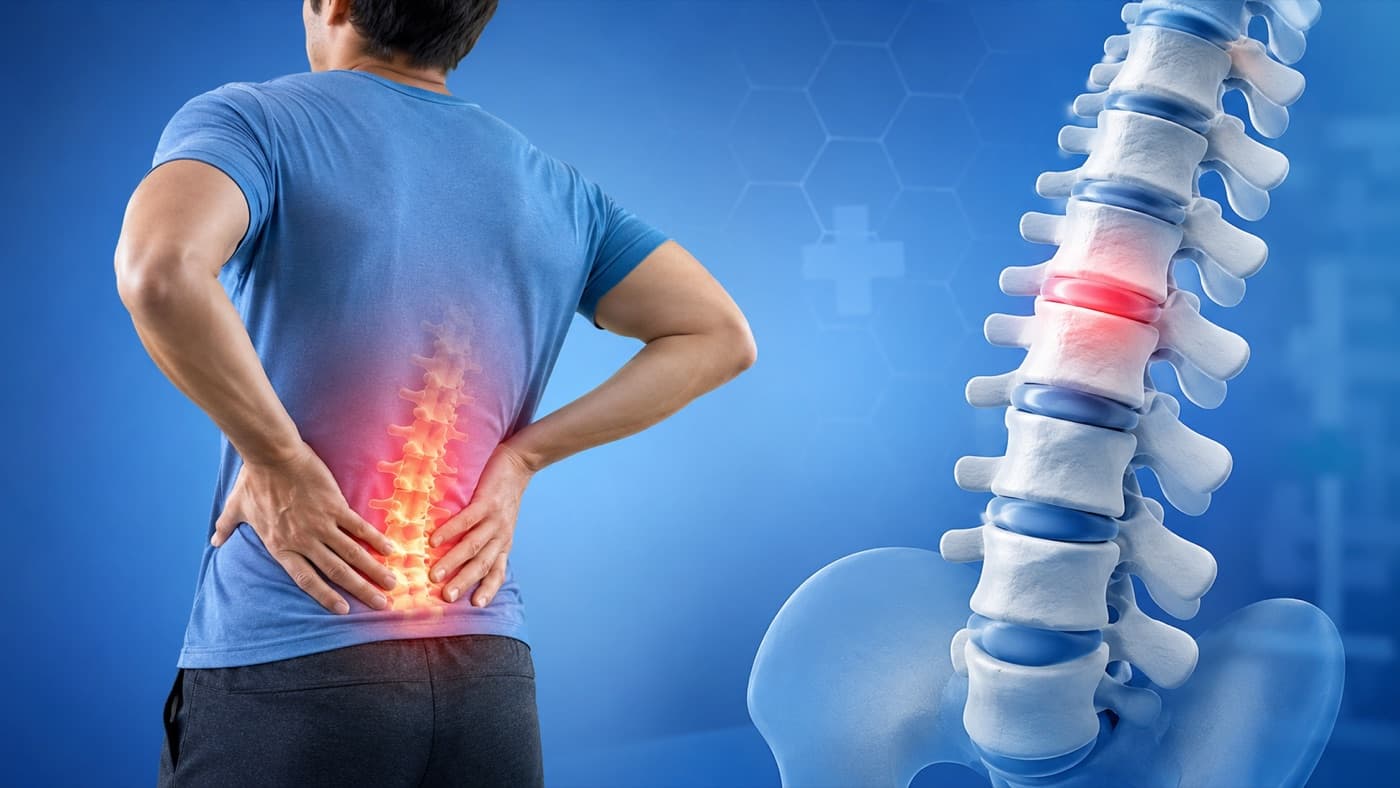
Arthritis of the knee joint, known in everyday language as knee "wear and tear," is a serious, painful condition that gets worse with age. Osteoarthritis is the most common type, and you can have it in one or both knees. The most common symptoms are pain, swelling, and stiffness in the knee joint. There are many treatments that can help with the symptoms.
What Is Knee Osteoarthritis?
Arthritis is a condition that causes pain, swelling, and stiffness in your joints. It can affect the largest and strongest joints in your body. It is common in the knees. Knee arthritis can be a serious, debilitating condition. Although there is no definitive cure for knee osteoarthritis, there are steps you can take to ease your symptoms and slow the progression of the disease.
Where Does Joint Osteoarthritis Develop?
Three bones come together to form your knee joint. These include:
- The thighbone (femur).
- The shinbone (tibia).
- The kneecap (patella).
A smooth substance called cartilage covers the ends of each bone. It acts as a cushion between the bones and keeps them from rubbing against each other. The synovial membrane, a type of tissue that surrounds the joint, lubricates the cartilage. There are many types of joint arthritis. The most common types are:
- Osteoarthritis is the most common of the types on this list. Osteoarthritis wears away your cartilage, the cushioning between the three bones of your knee joint. Without this protection, your bones rub against each other. This can cause pain, stiffness, and limited movement. It can also lead to the development of bone spurs. Osteoarthritis gets worse over time.
- Post-traumatic arthritis is a type of osteoarthritis. After trauma to your knee (such as an injury from a car accident or a contact sport), the cartilage starts to thin. Your bones rub against each other, causing the same symptoms as osteoarthritis: pain, stiffness, and limited movement. Your knee arthritis symptoms may start years after the trauma.
- Rheumatoid arthritis is an autoimmune disease. A healthy immune system causes inflammation (internal or external) when it tries to protect you from an infection, injury, toxin, or other foreign invader. The inflammatory response is one of the ways your body protects itself. If you have rheumatoid arthritis, you have an unhealthy immune system that causes inflammation in your joints even when there is no foreign invader. The inflammation causes pain, stiffness, and swelling of the synovial membrane, which can wear away your cartilage.
Who Gets Knee Osteoarthritis?
People of all ages can develop arthritis, including knee arthritis. If you are 50 or older, you have a higher risk of knee arthritis. Women get knee arthritis more often than men. It is reported that more than 50 million patients worldwide have joint arthritis, including 300,000 children. It is not known how many of these people have knee osteoarthritis.
What Are the Stages of Knee Osteoarthritis?
Osteoarthritis, the most common type of arthritis affecting your knees, has five stages:
Stage 4 (Severe). Severe osteoarthritis means the cartilage is almost gone. Your knee is stiff, painful, and possibly immobile. You may need surgery.
Stage 0 (Normal). If you are at stage 0, your knees are healthy. There is no arthritis in your knee.
Severe osteoarthritis means the cartilage is almost gone.
Stage 1 (Minor). Stage 1 means there is some wear and tear in your knee joint. You probably will not notice any pain.
Stage 2 (Mild). At the mild stage, you may start to feel pain and stiffness, but there is still enough cartilage to keep the bones from touching.
Stage 3 (Moderate). If you are at the moderate stage, you have more pain, especially when running, walking, squatting, and kneeling. You will probably notice it after long periods of rest (such as first thing in the morning). You probably have a lot of pain because the cartilage has narrowed even further and there are many bone spurs.
What Causes Osteoarthritis in the Knee Joint?

Experts have identified some genes that can cause arthritis, including knee arthritis. They predict that there are more genes that have not yet been discovered. You may have a gene linked to arthritis without knowing it, and a virus or an injury may trigger knee arthritis.
Although the cause is unknown, some risk factors increase the likelihood of knee arthritis. Risk factors for osteoarthritis in particular include:
- Weight. Excess weight puts more pressure on your knees.
- Age. Osteoarthritis is more common in older adults than in young adults and children.
- Bone abnormalities. If your bones or joints are naturally crooked, you have a higher risk of osteoarthritis.
- Gout. Gout is a type of inflammatory arthritis that can lead to osteoarthritis.
- Injuries. Knee injuries can cause knee arthritis.
- Stress. Excessive stress on your knees from running, playing sports, or working in a physically active job can lead to knee osteoarthritis.
How Is Knee Osteoarthritis Diagnosed?
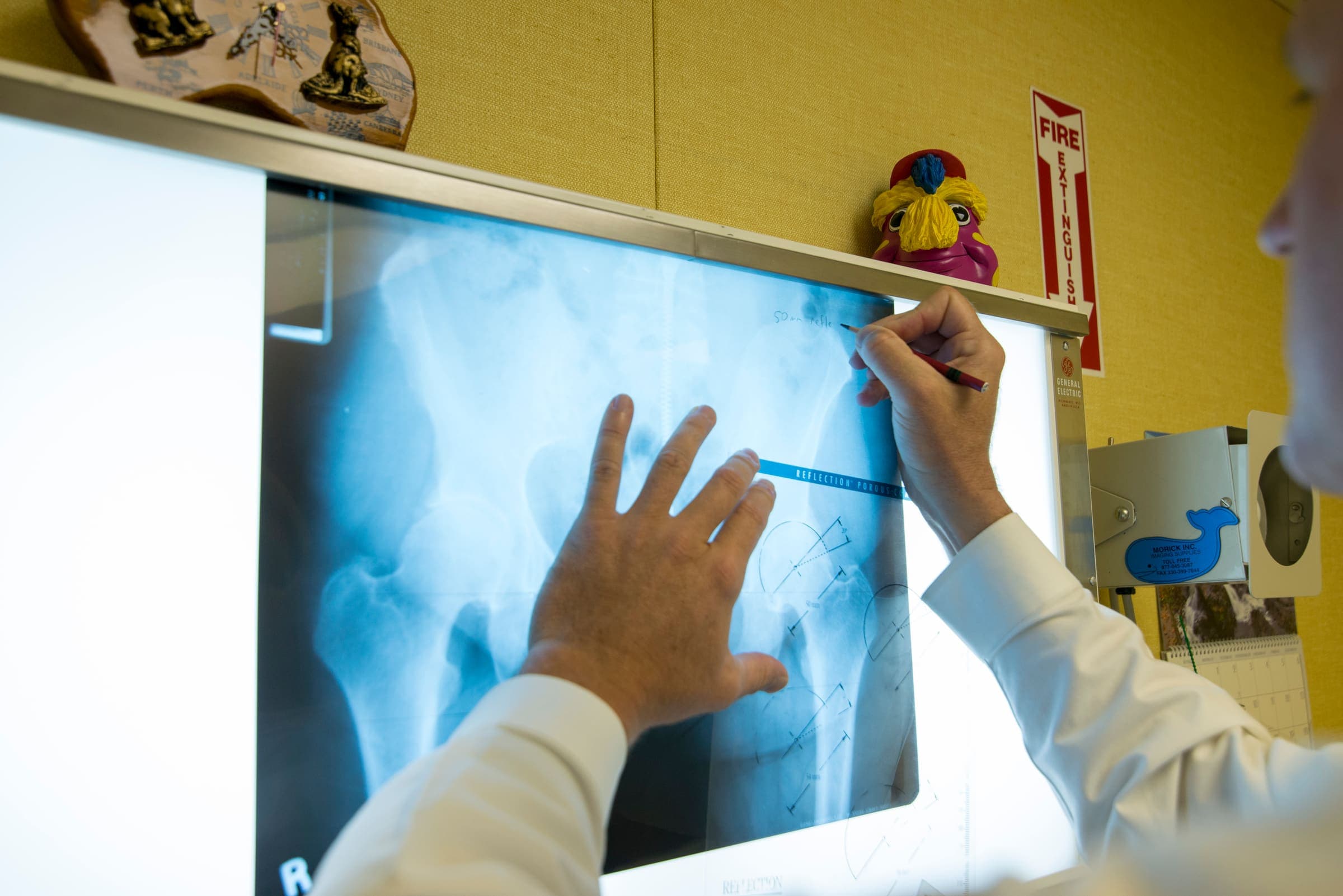
During your examination at the orthopedics and traumatology clinic you visit for your knee pain, the doctor will probably order X-rays of your knees to check for arthritis. The X-rays should reveal:
- The type of arthritis.
- Whether there are any changes in your bones.
- Bone spurs.
- How narrow the space between the bones is. The less cartilage you have, the narrower the space, and the narrower the space, the more pain you will feel.
Sometimes healthcare providers order a magnetic resonance imaging (MRI) test or a computed tomography (CT) scan.
References:
https://my.clevelandclinic.org/health/diseases/21978-arthritis-of-the-knee
The information on our website is not intended to direct individuals to any treatment. Do not take any diagnostic or treatment steps without consulting your doctor. The content does not contain information about İzmir Can Hastanesi's therapeutic healthcare services.