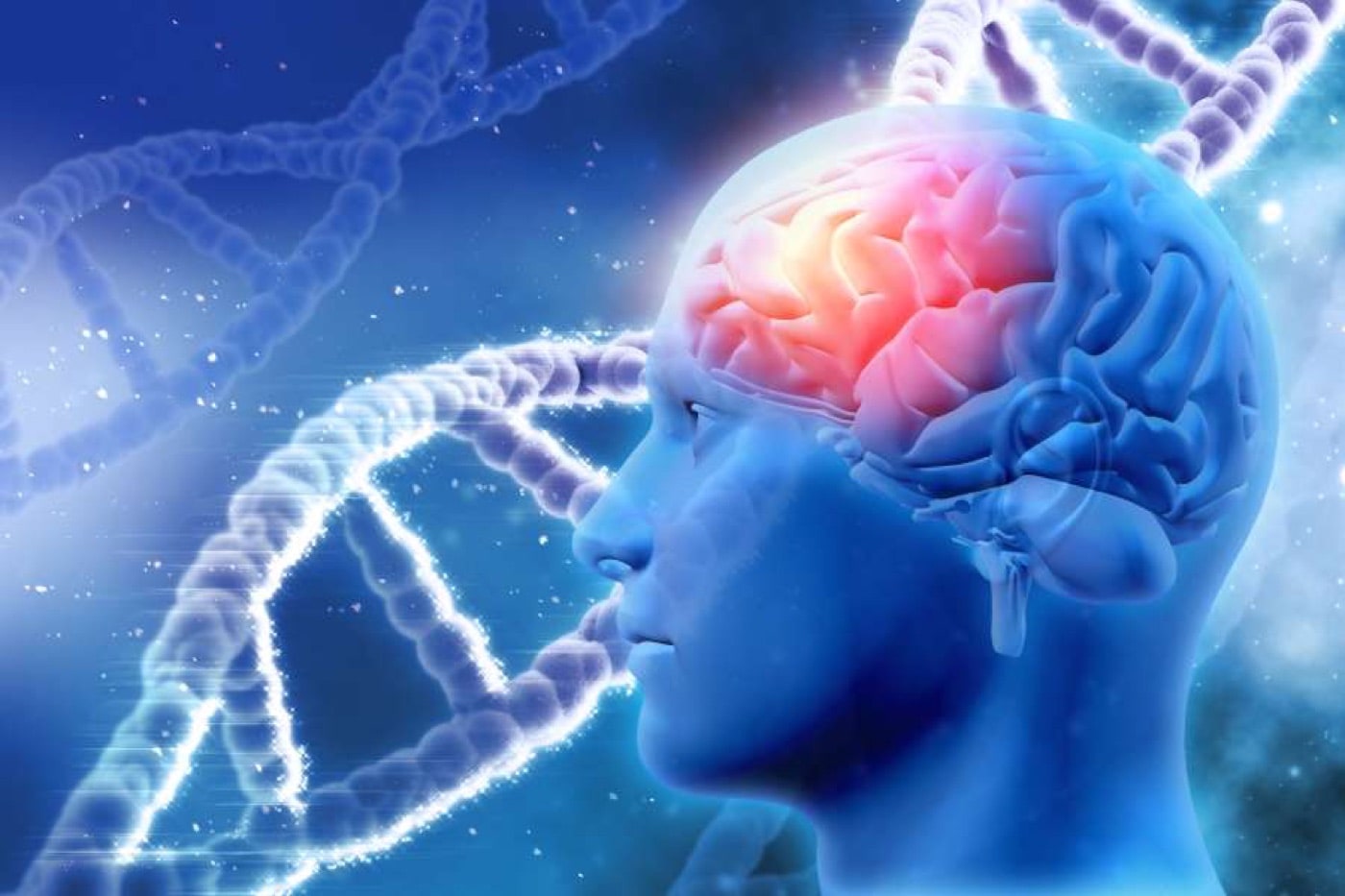
Epilepsy is a chronic neurological disorder caused by abnormalities in the brain’s electrical activity. It is characterized by seizures that result from excessive and synchronized electrical activity of brain cells. During epileptic seizures, a person may experience muscle twitching, loss of consciousness, sensory disturbances and changes in behavior.
Although epilepsy can develop at any age, it is more common in childhood and in older age. This common neurological disorder, which affects millions of people worldwide, can significantly affect quality of life. However, with an accurate diagnosis and appropriate treatment, many people with epilepsy can lead a normal and healthy life.
What Are the Symptoms of Epilepsy?
Epilepsy can cause a variety of symptoms depending on the type and severity of the seizures. Epileptic seizures usually manifest with symptoms such as muscle twitching, loss of consciousness, automatic movements and sensory changes. Some patients may experience strange sensations or signs called an aura before a seizure.
Generalized seizures are seizures that affect both hemispheres of the brain. During these seizures, consciousness is lost and the muscles of the entire body are affected. Tonic-clonic (grand mal) seizures are the most common and best-known type of generalized seizure. In these seizures, the person loses consciousness, the whole body stiffens and violent muscle jerking occurs.
Focal (partial) seizures, on the other hand, originate in a specific area of the brain and affect only part of the body. During focal seizures, muscle twitching, numbness, tingling or automatic movements may be observed in the affected part of the body. The person may remain conscious or partially lose consciousness during the seizure.
Absence (petit mal) seizures, seen especially in children, are characterized by brief loss of consciousness and staring spells. During these seizures, the person stares blankly for a few seconds and is unaware of what is happening around them. Absence seizures can often recur many times a day.
Some people with epilepsy may experience symptoms called an aura before a seizure. An aura consists of strange sensations, sensory changes or automatic movements that act as a warning sign of the seizure. For example, the person may notice a smell, experience visual changes, feel nauseous or have a sense of déjà vu. Auras can help patients take precautions against an impending seizure.
What Causes Epilepsy?
Although the exact cause of epilepsy cannot always be determined, various factors can lead to the disease. Genetic factors play an important role in some types of epilepsy. People with a family history of epilepsy have a higher risk of developing the disease. However, genetic predisposition alone does not cause epilepsy, but when combined with other risk factors it can contribute to its development.
Brain damage, oxygen deprivation or infections occurring before or during birth can also increase the risk of epilepsy. Such problems that a baby is exposed to during development can affect normal brain development and lead to epileptic seizures. In addition, factors such as low birth weight, premature birth and birth complications can increase the risk of epilepsy.
Later in life, conditions that cause brain damage, such as head injuries, brain tumors, stroke or brain infections, can lead to epilepsy. Head injuries, especially severe ones, can trigger epileptic seizures by damaging brain tissue. Brain tumors can cause seizures by exerting pressure on or affecting brain tissue. Brain damage that develops after a stroke also increases the risk of epilepsy.
Some developmental disorders and genetic syndromes are also associated with epilepsy. Conditions such as autism spectrum disorder, Down syndrome and cerebral palsy can increase the risk of epilepsy. In these conditions, epileptic seizures may be more common because brain development and function are affected.
The causes and risk factors of epilepsy can vary from person to person. In some cases, the cause of epilepsy may not be identified. However, factors such as genetics, brain damage, infections, developmental disorders and head injuries are among the important factors that increase the risk of epilepsy. Being aware of these risk factors and taking the necessary precautions can help with the early diagnosis and treatment of epilepsy.
Being aware of these risk factors and taking the necessary precautions can help with the early diagnosis and treatment of epilepsy.
How Is Epilepsy Diagnosed?
The diagnosis of epilepsy begins with a detailed evaluation of the seizures the patient has experienced. A neurological examination is an important step in determining the patient’s neurological status and any possible abnormalities. Doctors also assess risk factors by reviewing the patient’s medical history and family history.
One of the most commonly used methods in diagnosing epilepsy is the electroencephalography (EEG) test. EEG measures the brain’s electrical activity and helps detect the abnormal brain waves that occur during epileptic seizures. This test provides valuable information for determining the type of epilepsy and creating an appropriate treatment plan.
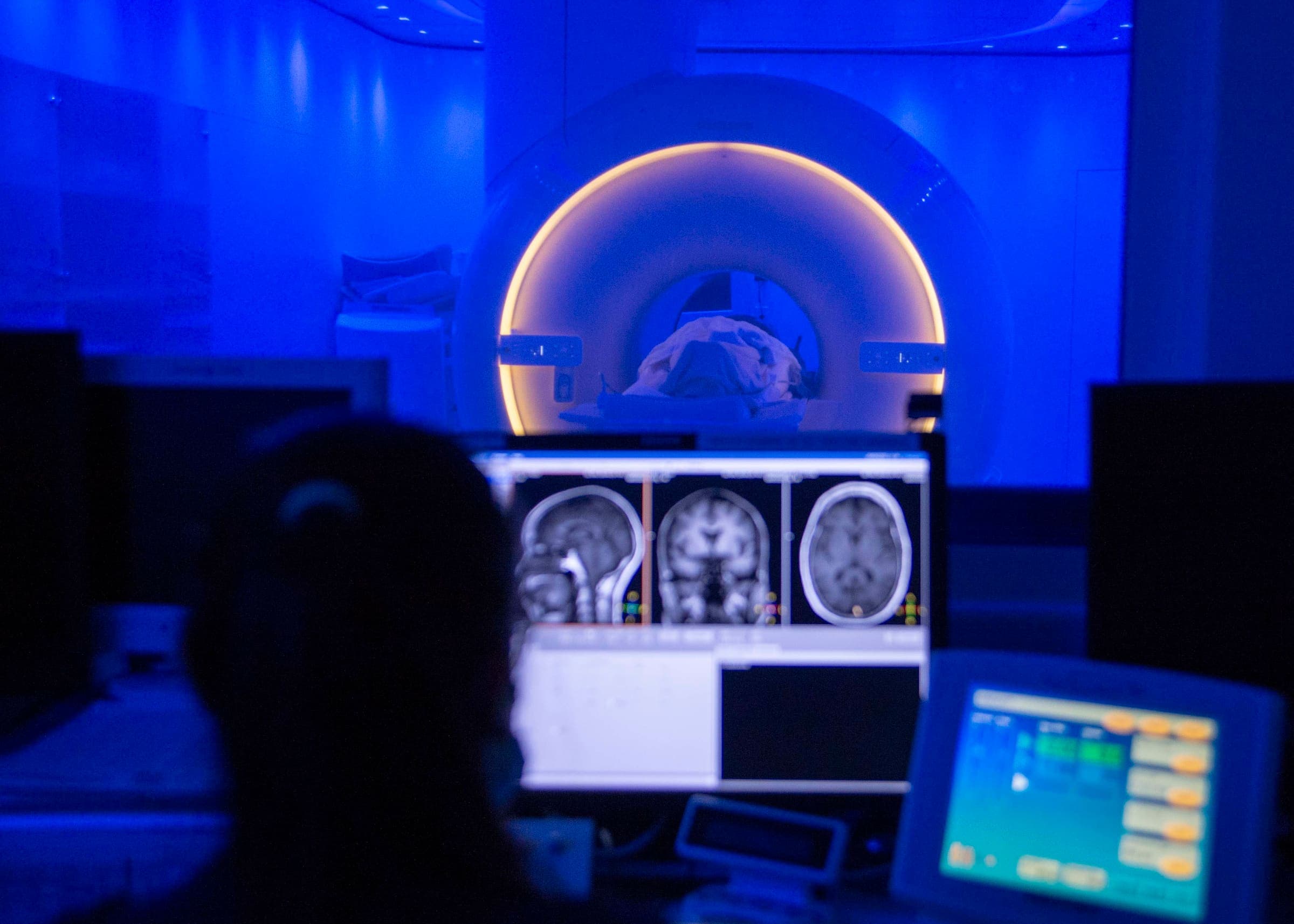
Brain imaging methods also play an important role in diagnosing epilepsy. Magnetic resonance imaging (MRI) and computed tomography (CT) scans are used to detect structural abnormalities, tumors or other lesions in the brain. These imaging methods can reveal underlying brain damage or developmental disorders that may cause epilepsy.
In some cases, especially when surgery is being considered, video-EEG monitoring may be used. In this method, the patient is recorded with a video camera while an EEG recording is taken at the same time. In this way, the brain’s electrical activity and the patient’s behavior during seizures are observed simultaneously. Video-EEG monitoring provides important information for locating the seizure focus and planning surgery.
Epilepsy is diagnosed using a combination of methods such as neurological examination, EEG, MRI, CT and video-EEG monitoring. This comprehensive evaluation makes it possible to classify the patient’s seizures accurately, identify the underlying causes and develop the most appropriate treatment strategy.
What Are the Treatment Options for Epilepsy?

The main goal of epilepsy treatment is to bring seizures under control and improve patients’ quality of life. The treatment plan is tailored to each patient’s specific needs. Antiepileptic drugs are the backbone of epilepsy treatment. These drugs help prevent seizures by suppressing abnormal electrical activity in brain cells. Doctors choose the most suitable medication based on the patient’s seizure type, age and other health factors.
In some patients, antiepileptic drugs may not be sufficient to control seizures. In these cases, surgery may be an option. Epilepsy surgery aims to remove or isolate the area of the brain where the seizures originate. This procedure can be particularly effective in patients with drug-resistant focal seizures.
The ketogenic diet is an alternative treatment method used to control seizures, especially in children. This diet is high in fat, low in carbohydrates and contains adequate protein. By putting the body into ketosis, it shifts the brain’s energy source from glucose to ketones. In some children, the ketogenic diet can significantly reduce seizures.
Vagus nerve stimulation (VNS) is another method used in the treatment of epilepsy. In this treatment, a device implanted in the upper chest sends regular electrical impulses to the vagus nerve in the neck. VNS can help reduce the frequency and severity of seizures.
Lifestyle changes also play an important role in managing epilepsy. Regular sleep, avoiding stress, regular exercise and healthy eating can help prevent seizures from being triggered. Patients should identify the factors that may trigger their seizures and try to avoid them.
Living with Epilepsy: Tips and Strategies
People diagnosed with epilepsy need to take some important steps to lead a safe and good-quality life. First of all, the necessary safety precautions should be taken at home, at work and at school to avoid dangerous situations in the event of a seizure. These precautions include removing sharp or hard objects, having handrails on stairs and using non-slip flooring in areas such as the bathroom.
It is also very important that people with epilepsy are supported in their work and education. Employers and teachers should be informed about the condition, and the necessary arrangements should be made. These arrangements may include creating safe spaces in case of a seizure, flexible working hours or extended exam times. In addition, people with epilepsy should not drive until their seizures are under control and should comply with legal driving restrictions.
Living with epilepsy can also bring emotional challenges. For this reason, it is extremely important for patients to get help from family, friends and support groups. Emotional support can make a big difference in coping with the condition. In addition, patients should develop self-management skills, learning to avoid the factors that trigger seizures, take their medication regularly and manage seizures properly. Regular medical check-ups and adherence to treatment are critical for living successfully with epilepsy.
The information on our website is not intended to direct individuals to any treatment. Do not take any diagnostic or treatment steps without consulting your doctor. The content does not contain information about İzmir Can Hastanesi's therapeutic healthcare services.