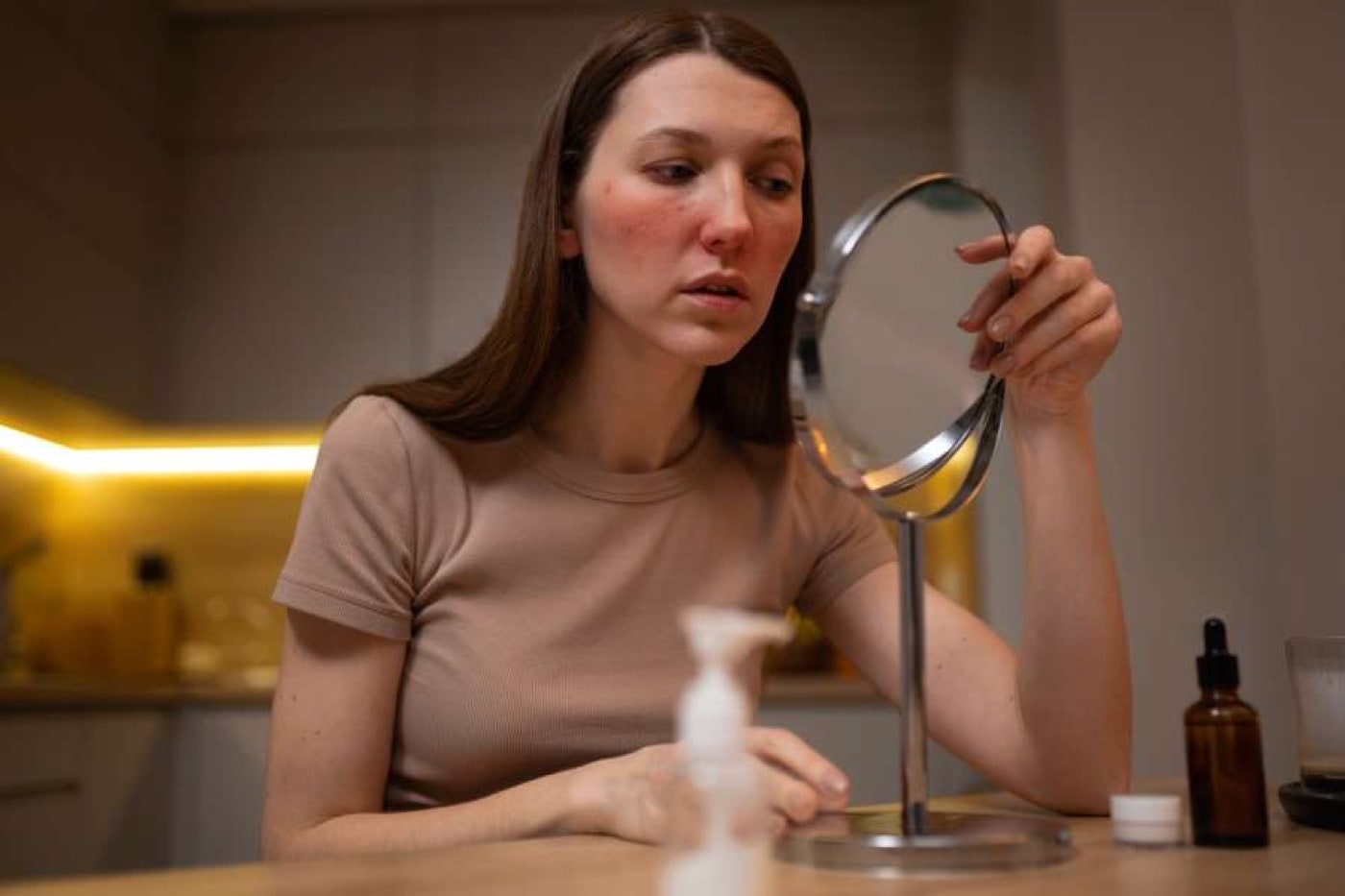
Rosacea is one of the important topics in dermatology; this chronic skin disease causes redness and inflammatory lesions on the face. The nose, cheeks, forehead and chin are especially affected. Most people become aware of rosacea after the age of thirty; while it is more common in women, it can have more serious consequences in men. Identifying rosacea improves quality of life.
What Are the Symptoms of Rosacea?
Rosacea is a skin disease seen mainly on the face. It presents with skin redness and a burning and stinging sensation. These symptoms appear as papules and pustules in inflamed areas of the skin. They can worsen with sun exposure, hot drinks, spicy foods, stress or hot weather. Rosacea symptoms vary from person to person and may change over time.
What Causes Rosacea?
Rosacea, known in Turkish as “gül hastalığı” (rose disease), develops due to many factors. Genetic factors play a role among the causes of rosacea; if rosacea runs in the family, this indicates that the person is at a similar risk. This shows that genetic factors have a major influence. Environmental factors also affect the development of rosacea. Excessive sun exposure and extreme climates such as hot and cold weather can trigger this condition. Habits such as smoking and heavy alcohol consumption are among the risk factors for skin disorders and can worsen rosacea.
Adults between the ages of 30 and 50 are at higher risk of rosacea. Skin type affects how often rosacea occurs. Fair-skinned individuals are affected by this condition more often. Hormonal changes, especially menopause or pregnancy, increase the skin’s sensitivity and worsen rosacea complaints. Genetic predisposition and environmental factors are important in the fight against rosacea. Early diagnosis and proper treatment reduce the effects of the disease and improve quality of life.
Rosacea Treatment Methods
Rosacea treatment offers a variety of strategies to improve quality of life. Dermatological treatment, medications and skin care play an important role. Topical creams reduce inflammation and control redness. Oral antibiotics relieve rosacea symptoms. In persistent cases, dermatologists recommend laser treatments. These treatments aim to renew the skin and reduce redness and the visibility of blood vessels.
These treatments aim to renew the skin and reduce redness and the visibility of blood vessels.
Skin care is part of daily routines. Use alcohol-free and fragrance-free products. Avoiding personal triggers reduces symptoms.
What Are the Complications of Rosacea?
Rosacea is characterized by redness and inflammation of the skin. This condition can lead to thickening and enlargement of the nose, known as rhinophyma. This is seen especially in the advanced stages of the disease and alters the structure of the face. Rosacea can also cause eye inflammation. Conditions such as conjunctivitis and keratitis can lead to serious vision problems. This has both physical and psychological effects and lowers quality of life.
The psychological effects of rosacea are also important. Redness and facial changes can lead to loss of self-confidence and social isolation. This causes problems in social interactions and mental health. A healthy-looking complexion matters both physically and psychologically. Rosacea can be a challenging process, but it is possible to protect skin health and improve quality of life. For example, appropriate skin care routines and avoiding stress can improve skin health. Psychological and social support can also improve quality of life.
Protecting yourself from the sun and using sunscreen are very important. Medications should be supported by diet and exercise. This is important for improving quality of life. Rosacea also brings mental and emotional challenges. Coping with these challenges is very important. Awareness-raising activities can help educate the public.
Greater public awareness makes it easier for patients to share their experiences. This improves quality of life.
The information on our website is not intended to direct individuals to any treatment. Do not take any diagnostic or treatment steps without consulting your doctor. The content does not contain information about İzmir Can Hastanesi's therapeutic healthcare services.