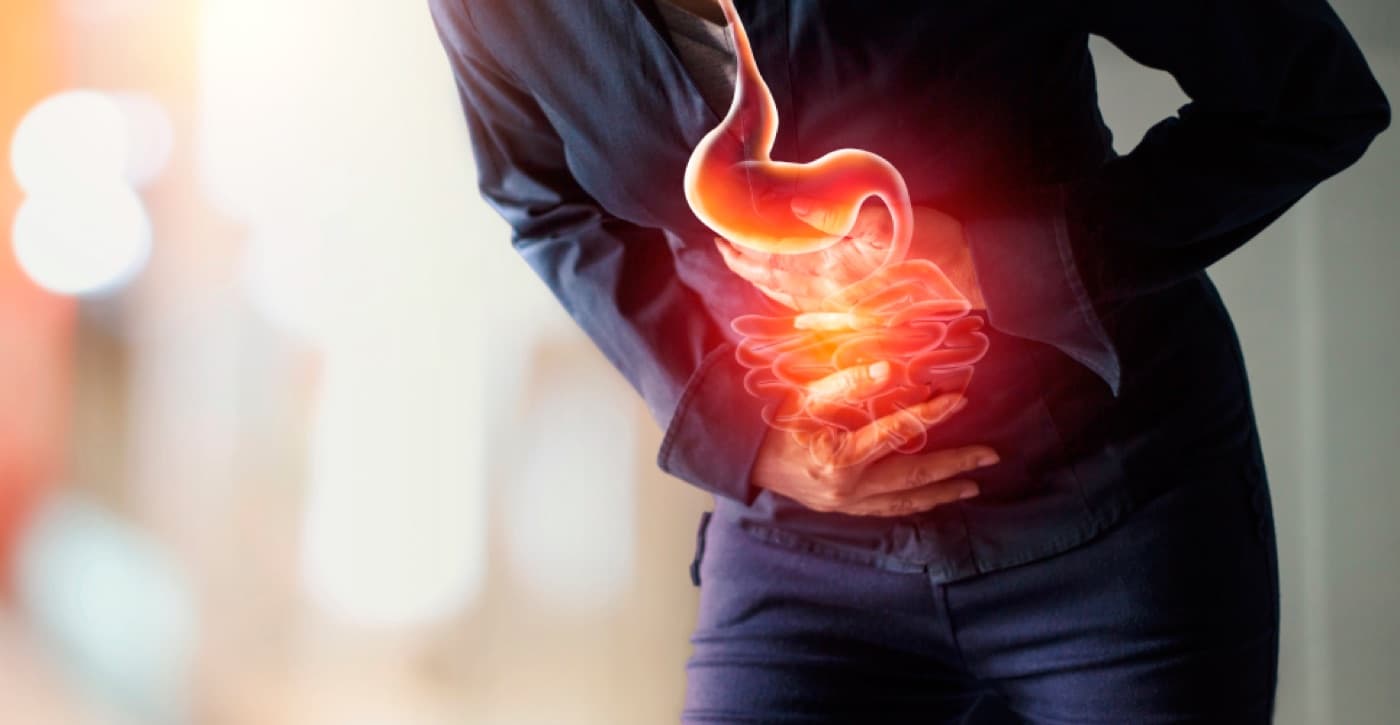
Constipation can cause serious discomfort in the body. But don't worry, there are natural solutions to ease it. For example, drinking enough water and eating fiber-rich foods is very beneficial. Regular exercise and some herbal remedies also work.
Probiotics can be great support for your gut. Techniques such as massage and acupuncture may also help. If the problem persists, it is best to get help from a healthcare professional.
What Is Constipation?
Constipation is a problem that occurs when the bowel does not work properly. Bowel movements become less frequent and stools become hard. Inadequate fluid intake, lack of physical activity, stress, certain medications and diseases can lead to constipation.
Constipation shows itself through symptoms such as abdominal pain and bloating. Hemorrhoids and gas problems are also common. Symptoms can vary from person to person. This condition can reduce a person's quality of life. That is why it is very important to know the causes and symptoms of constipation well. This way, the problem can be solved with appropriate treatment.
Herbal Solutions for Constipation
If you are looking for a natural remedy for constipation, don't forget to consider plant-based options. Fiber-rich foods regulate bowel habits and reduce or relieve constipation.
Oats, flaxseed and similar plants are powerful against constipation. By getting the bowels moving, these plants can ease the problem.
Bulky vegetables and fruits are also very beneficial. Foods such as broccoli and apples are full of fiber and regulate the digestive system.
Chia and flaxseed are superfoods for constipation. With their high fiber content, they cleanse the bowels and help keep bowel movements regular.
Dietary Recommendations for Constipation
To fight constipation, consume fiber, probiotics and plenty of fluids. Fiber-rich foods reduce constipation. Whole grain products, fruits, vegetables, legumes, nuts and seeds are part of this group.
Probiotic-rich foods are also beneficial. Yogurt, kefir and pickles fight constipation. Getting enough fiber, meanwhile, is key in combating constipation.
Eating 25–30 grams of fiber every day is recommended. Eating fiber-rich foods is necessary. Whole grains, fruits, vegetables, legumes and nuts are rich in fiber. That is why you should focus on these foods in your diet.
The Importance of Exercise in Preventing Constipation
Exercising regularly plays an important role in reducing the risk of constipation. Exercises such as walking, yoga and Pilates speed up bowel movements, which reduces constipation. Exercise can also indirectly help relieve constipation by reducing stress.
Doing at least 30 minutes of moderate-intensity exercise every day can reduce constipation. These exercises speed up bowel movements and thus offer an effective solution for constipation.
Exercise does not only make bowel movements regular. It also improves overall health. That is why we recommend exercise to people who suffer from constipation. Exercising regularly every day can reduce constipation.
Fluid Intake That Helps With Constipation
Drinking fluids for constipation is very important. You should drink at least 1.5–2 liters of water a day. By making this a habit, your bowels become regular and constipation decreases. In addition, fiber-rich teas for constipation, fruit juices and fermented drinks are helpful.
By making this a habit, your bowels become regular and constipation decreases.
Fluids keep the bowels moving and prevent constipation. Fiber-rich drinks are good for gut health. Herbal teas for constipation, such as green tea, also fight constipation.
Fruit juices also relieve constipation. Apple, pear and prune juices are especially beneficial. Fermented products contribute to gut health and are ideal for constipation. Drinks such as yogurt-based drinks and kefir are also good choices.
Probiotics and Constipation
Constipation can result from an imbalance in the gut flora. Probiotics help maintain this balance. By nourishing the gut, they help prevent problems such as constipation.
Taking probiotics every day is important in fighting constipation. In addition to dairy products such as yogurt and kefir, foods such as pickles and tempeh are also good for constipation. Probiotic supplements may also reduce the discomfort.
Regular probiotic intake protects gut health. This improves bowel regularity and prevents constipation. In other words, probiotics help reduce constipation.
Therapeutic Methods for Constipation
Alternative therapies can also be used in treating constipation. These methods may be helpful in relieving constipation.
Acupuncture, massage and hypnotherapy may be effective against constipation. They offer different approaches and may ease the problem.
Everyone's journey in dealing with constipation can be different. It is a good idea to consider suitable complementary therapies under the guidance of a specialist. This way, you can take a healthy path.
Additional Tips for Constipation


Stress management plays a big role in combating constipation. To reduce stress, you can start doing yoga or meditate. Regular sleep habits can help with constipation. Keeping track of your bowel movements and using a laxative if necessary are also helpful.
Among other recommendations, keep in mind that constipation can lead to hemorrhoids, infection or other health problems. In these cases, seeing a doctor is critical. Your doctor will recommend steps such as increasing your fluid intake and eating fiber-rich foods.
As additional solutions, regular exercise and trying probiotic supplements can be effective. Probiotics ease constipation by supporting gut health. With these methods, it is possible to bring constipation under control.
Things to Keep in Mind About Constipation
The steps for preventing constipation are simple but effective. First, you need to pay attention to your fiber and water intake. Eating fiber-rich fruits, vegetables, whole grains and dried legumes is important. These foods reduce the risk of constipation. In addition, drinking enough water every day is essential for the bowels to work properly.
Exercise can prevent constipation. Activity speeds up the bowels. Stress should also be taken into account because it affects the bowels negatively.
Bowel habits should be monitored. Bowel movements should be checked every day. If the problem persists, there may be a health problem.
In summary, the important things for constipation are: fiber and water intake, exercise, coping with stress, monitoring your bowel habits and seeing a doctor. If these recommendations are followed, constipation can be reduced and prevented.
When Should You See a Doctor for Constipation?
Constipation can often be treated at home. But sometimes it is necessary to see a doctor. If constipation lasts a long time or there is severe pain, you should see a doctor. Problems such as bloody stools, weight loss, nausea or vomiting can also be reasons to see a doctor.
Checkups are more important for people over 65 and those with certain diseases. Conditions such as diabetes, hypothyroidism and Parkinson's disease can trigger constipation. Your doctor will find the source of the problem and recommend the appropriate treatment.
Seeing a doctor early is important for preventing complications. Your doctor will determine the cause of your constipation and help you. This way, you receive the best treatment.
The information on our website is not intended to direct individuals to any treatment. Do not take any diagnostic or treatment steps without consulting your doctor. The content does not contain information about İzmir Can Hastanesi's therapeutic healthcare services.