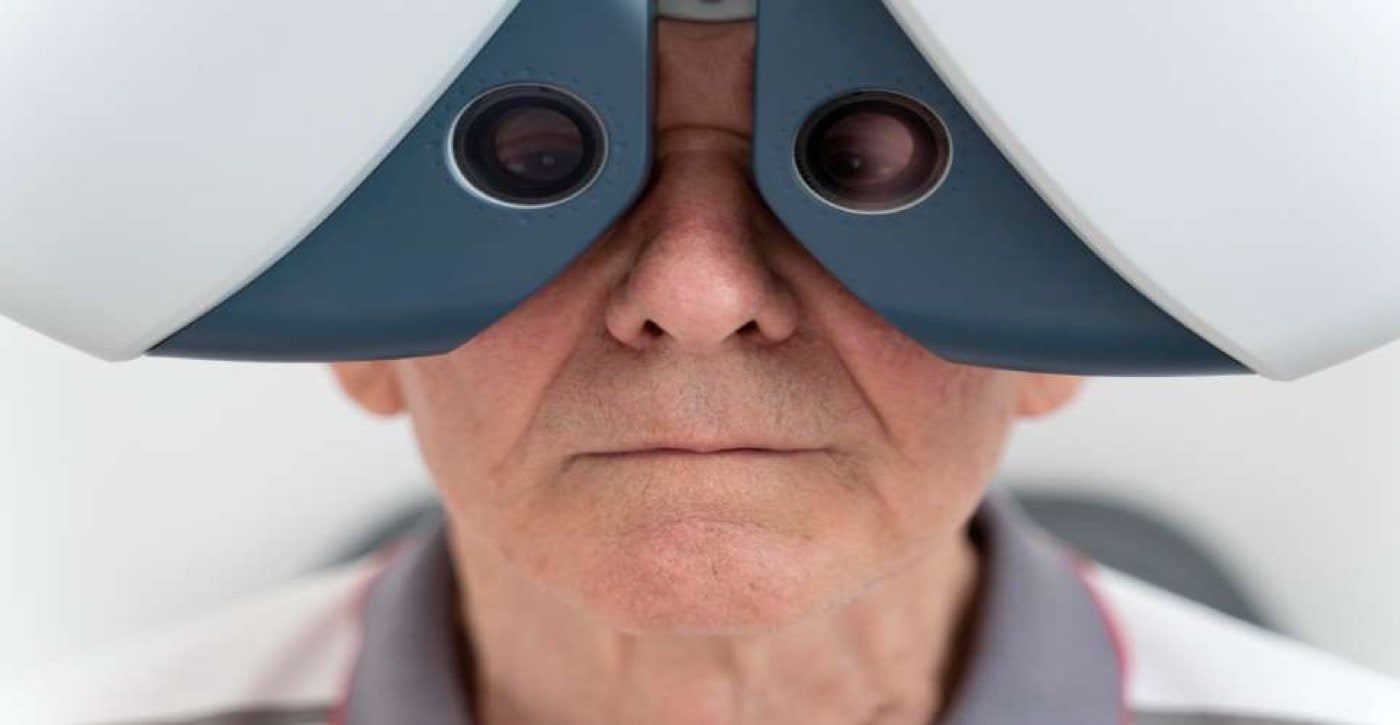
Cataract surgery is a very common operation. It quickly restores the clarity of vision that has become limited. The surgery takes about 15 minutes. After cataract surgery performed by specialists, recovery is usually smooth and leads to improved vision. Of course, it is very important to follow your doctor's instructions after surgery. These recommendations, which will help your eyes heal as well as possible after cataract treatment, may also include advice about your daily life. At Can Hastanesi, we prioritize informing our patients about the details of the surgery during the preparation process before and after cataract surgery. After surgery, many people wonder when they can bend over again and when they can regain their normal mobility. Bending over after surgery is a concern, as it can strain your eyes and slow healing. At Can Hastanesi, we recommend that you do not bend over for the first 2 weeks after surgery; even if your eye feels fine a day later, it takes longer to heal completely, up to about 4–6 weeks. Following your surgeon's advice during this period is very important. Protecting your eyes from damage is essential while they heal, so wear protective sunglasses. They protect your eyes from things like dust and pollen; also make sure no water gets into your eyes to avoid infections.
What Is Recovery Like After Cataract Surgery?
Cataract surgery is very common, and millions of people have it every year. The older you get, the more likely you are to need it. This is especially true for people over 90. Before surgery, it is important to know what to expect afterward.
After Cataract Surgery
After surgery, you may see dark spots or halos around lights. Your eye may feel as if there is sand in it, which is normal. These symptoms are just part of the healing process and should go away.
The recovery process after cataract surgery
How quickly you recover after cataract surgery depends on your age, your health and the complexity of the surgery. Your vision may be blurry for a while, but it will get better over time. If you have a multifocal lens, it may take longer to fully adapt to it. Remember, recovery is different for everyone.
Bending Restrictions After Cataract Surgery
After cataract surgery, it is very important to follow your eye doctor's advice. Not bending over is an important precaution; it may seem simple, but this step is critical for good healing and the best surgical outcome.
Why Should You Avoid Bending Over After Cataract Surgery?
When you bend over, your head drops below your waist. This can quickly increase the pressure in your eye. The pressure can strain the surgical incisions, causing them to open or become irritated. This can slow healing and lead to problems such as infections or vision loss. Bending over also makes it easier to accidentally touch or bump your eye. Right after surgery, your eye is very sensitive, so it is very important to avoid these risks during your recovery.
Recommended Period of Bending Restriction After Cataract Surgery
It is best to avoid bending over for about 2 weeks after surgery. This helps your eye heal properly and reduces the likelihood of any threat to your vision. Don't do things that could strain your eye, such as heavy lifting or strenuous exercise, or any movement that makes you bend or tilt your head. Wait until later to resume these activities. If you need to bend down, move very slowly and carefully. Keep your back straight and don't put pressure on your face or eyes. Ask for help with tasks that require bending or lifting. This helps keep your eye safe and free from strain while it heals. By following these sensible tips and not bending over right after cataract surgery, you do a lot to prevent problems. Well-healed surgical incisions ultimately mean the best outcome for your vision.
What Precautions Should You Take When Bending After Cataract Surgery?
Cataract surgery helps millions of people see better every year. However, following your doctor's instructions is important for a smooth recovery. Keeping your back straight during this period is very important. Sometimes bending may be unavoidable. Patients should sit down and stand up carefully to protect their eye health after surgery. Avoiding falls or bumps is important to avoid setbacks during recovery. Always check your surroundings to make sure your path is safe. These simple steps can prevent accidents and speed up healing. Activities such as getting dressed are difficult without bending, but sitting down helps. It reduces the risk of damage to your eyes. Together with other careful movements, this ensures that the success of the surgery is not put at risk.
What Are the Risks of Bending Over After Cataract Surgery?
Cataract surgery is a safe operation for most people and gives about 90% of patients better vision. Following post-operative advice is vital for a smooth recovery. Another important point is avoiding bending over too early, which can slow your recovery. Bending over before you have fully healed can increase the pressure inside your eye. This can put stress on the healing incision and cause fluid to leak or an infection to develop. Bending over can even cause the surgical incision to reopen. It also carries the risk of breaking tiny blood vessels in your eye, leading to bleeding and further problems.
Your eyes need rest to heal completely, and any extra strain can get in the way. Full recovery usually takes 8 weeks, although this varies depending on the type of surgery and your personal health. Right after surgery, your eye becomes very sensitive. Tasks such as tying your shoes can hinder your healing and slow your recovery. For a while, it is best to avoid bending over even to adjust your shoes or socks, and to sit down instead. By not bending over and giving your eyes time, you reduce the risk of problems. This helps you get the most out of your cataract surgery.
Other Activities to Avoid After Cataract Surgery
Stay away from strenuous activities and certain tasks for a few weeks after cataract surgery. This will help your eyes heal well and help you avoid problems. Avoid heavy lifting and excessive exercise. They can increase the pressure in your eyes or move your new lens. In that case, your eyes may take longer to heal. Try not to lift anything heavy for one week and not to do strenuous exercise for one month. Stay away from swimming and water sports for about 4–6 weeks after cataract surgery. This helps prevent eye infection.
We recommend wearing sunglasses and a hat outdoors; they protect your eyes from the sun, dust and more. Avoid rubbing or touching your eyes to keep irritants away and reduce the risk of infection. Wait at least 4 weeks before wearing makeup again.
Avoid rubbing or touching your eyes to keep irritants away and reduce the risk of infection.
Talk to your eye doctor before flying or driving. Changes in air pressure on an airplane can slow your recovery. In addition, it takes time to regain the clear vision you need for driving. Take good care of your eyes, and your recovery will go smoothly.
How Long After Cataract Surgery Can I Get Back to Normal?
After cataract surgery, you can gradually return to your normal activities. Talk to your eye surgeon about when you can resume normal tasks. You can start light activities such as reading, computer work and watching TV right after surgery. However, always follow your surgeon's advice for a better recovery.
Gradual Return to Your Daily Routine
Returning to normal after cataract surgery should happen gradually. Most people can start light exercise such as walking the next day. However, wait a week before doing more demanding things such as cycling. Avoid swimming for two weeks to prevent infection.
You should resume driving when you feel completely safe; this may take 1–4 weeks. Before you start driving, make sure your vision and comfort behind the wheel are stable. If you experience any discomfort or problems, don't drive and talk to your surgeon.
Keep follow-up appointments with your eye surgeon after cataract surgery
It is very important to attend all of your surgeon's follow-up appointments. They help monitor your recovery and address your concerns. During these visits, your healing process, eye health and prescriptions will be checked. Your surgeon may give you eye drops to help healing and prevent infections. Wait about 6 weeks after surgery before getting new glasses. Even if your vision improves, don't rush to get new glasses. Your eye surgeon will tell you when to have an eye exam and get new lenses. Although your vision may improve greatly on the first day, full recovery may take 4–6 weeks. Stick to your surgeon's advice, visit them when asked and give yourself time to heal. Doing so leads to good healing and better vision after surgery.
We recommend following your eye surgeon's advice after cataract surgery
After cataract surgery, it is vital to follow every step your eye doctor tells you. They will give you a detailed plan for using your medications, especially eye drops. Since everyone's situation is different, make sure you follow these instructions exactly. For example, they may recommend using certain drops every hour at first and then less often over time. Attending all your checkup appointments is just as important. These visits allow your doctor to check how you are healing and whether you are using your medications correctly. They also give your doctor the chance to catch any problems early. Following your doctor's advice and staying in touch can really help reduce risks and improve your recovery.
Cataract surgery is very successful for most people. More than 90% see well after the procedure. Still, some people may experience problems. Very rarely, serious eye problems can occur. However, by following your eye surgeon's instructions to the letter and not missing your appointments, you can reduce these risks. This way, you increase your chances of a smooth recovery.
The information on our website is not intended to direct individuals to any treatment. Do not take any diagnostic or treatment steps without consulting your doctor. The content does not contain information about İzmir Can Hastanesi's therapeutic healthcare services.