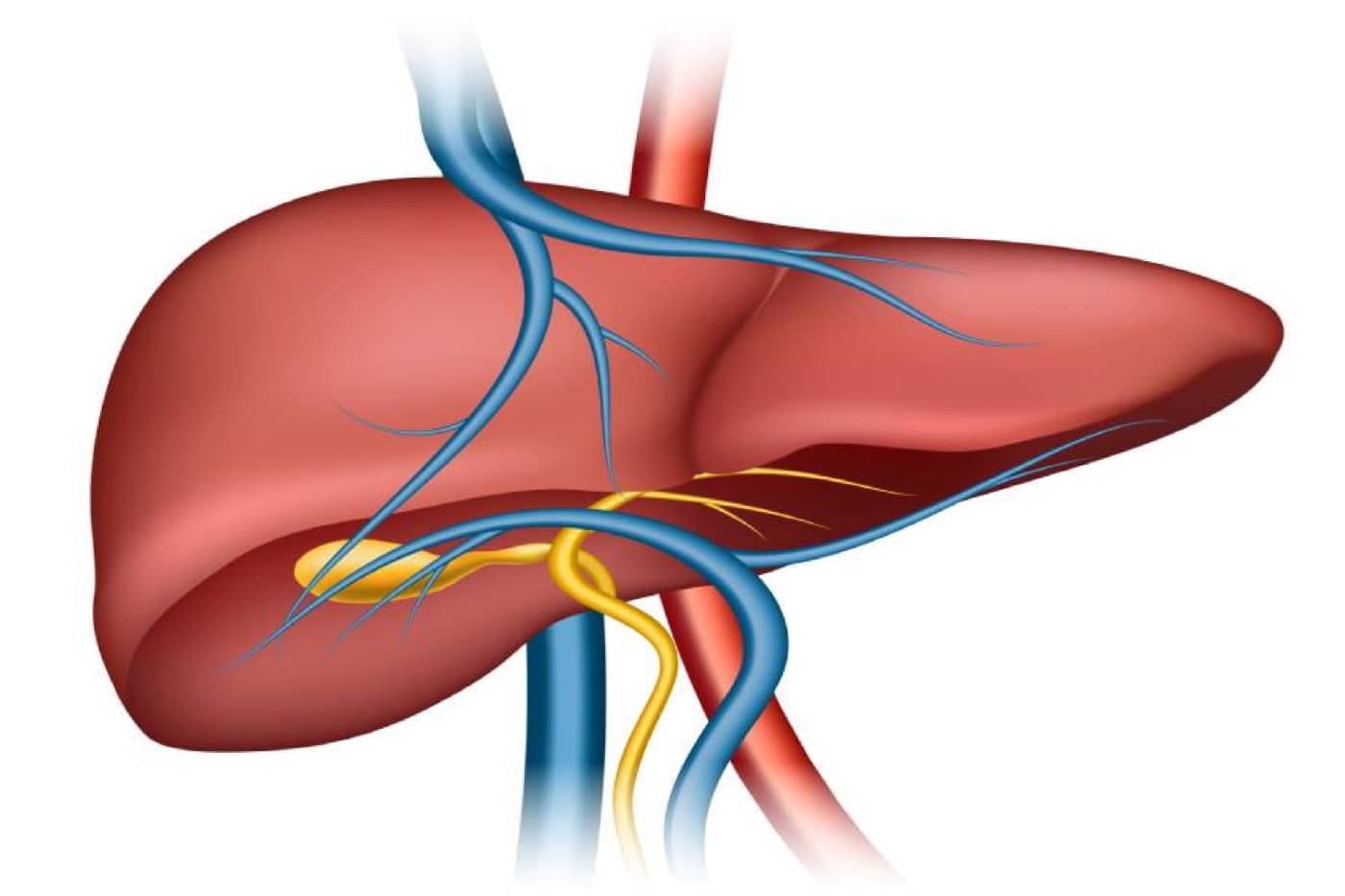
Liver tumors are masses formed as a result of abnormal cell growth in the liver. Liver cancer, which usually causes no symptoms in the early stages, can lead to serious health problems once it reaches advanced stages. Therefore, it is very important to know the risk factors and have regular check-ups for early diagnosis. A liver mass is a condition that is difficult to notice in its early stages. However, in advanced stages, symptoms such as abdominal pain, bloating, weight loss, loss of appetite and jaundice may appear. Treatment options include surgery, chemotherapy, radiotherapy and liver transplantation.
Risk factors involved in the development of liver tumors include conditions such as cirrhosis, hepatitis B and C virus infections, excessive alcohol consumption, obesity and diabetes. With early diagnosis and appropriate treatment, liver cancer can be overcome and patients’ quality of life can be improved.
General Characteristics of Liver Tumors
Liver tumors are among the most common tumors in the body and can be classified as primary liver tumors or metastatic liver tumors. Primary liver tumors develop directly from liver cells, whereas metastatic liver tumors form when cancer cells from other parts of the body spread to the liver.
The most common primary liver tumor is hepatocellular carcinoma (HCC). HCC is characterized by the uncontrolled proliferation of liver cells and usually develops on the background of chronic liver disease. Another type of primary liver tumor is bile duct cancer. These tumors arise from the inner walls of the bile ducts in the liver.
Metastatic liver tumors form as a result of cancers in other organs spreading to the liver. The most common sources of metastatic liver tumors include colorectal cancer, breast cancer, lung cancer and pancreatic cancer. These tumors carry the characteristics of the primary tumor and may appear as multiple masses in the liver.
Depending on their size and location, liver tumors can disrupt the normal functions of the liver. As the tumor grows, it can press on liver tissue, obstruct blood flow and cause liver failure. In addition, pressure from the tumor on the bile ducts can lead to jaundice. Early diagnosis and appropriate treatment are of great importance in the management of liver tumors.
Symptoms of Early-Stage Liver Tumors
In the early stages, liver tumors usually cause no symptoms and are asymptomatic. For this reason, regular check-ups and monitoring of liver health are very important. Some patients may feel mild pain or discomfort in the upper right part of the abdomen. However, these symptoms are not specific to liver tumors and can also be seen in other conditions.
In patients with an early-stage liver tumor, the doctor may detect an enlarged liver (hepatomegaly) or a mass that can be felt (palpable mass) during a physical examination. Tumors in the liver can cause the organ to increase in size. In addition, routine blood tests may show elevated liver enzymes. However, these findings do not always indicate the presence of a liver tumor and require further investigation.
Early diagnosis of a liver tumor is critical to the success of treatment. For this reason, people with risk factors are advised to have their liver health checked at regular intervals and to see a specialist physician in suspicious cases. Thanks to early diagnosis, the spread of the tumor can be prevented and more effective treatment options can be applied.
Symptoms of Advanced-Stage Liver Tumors
In advanced-stage liver tumors, symptoms become more pronounced and significantly affect the patient’s quality of life. At this stage, general symptoms such as unexplained weight loss, loss of appetite and fatigue are common. As the disease progresses, signs of liver dysfunction such as jaundice (yellowing of the skin and eyes), itching and dark urine may also appear.
Abdominal pain and swelling (ascites) are among the common symptoms of advanced-stage liver tumors. Discomfort and pain in the abdomen may occur as the tumor grows and presses on liver tissue. In addition, fluid buildup in the abdomen (ascites) may be seen due to reduced protein production by the liver and changes in the blood vessels.
In advanced stages, signs of liver failure may also develop. These include mental confusion (hepatic encephalopathy), an increased tendency to bleed, bruising of the skin and edema. These symptoms result from the liver’s inability to perform basic functions such as removing toxins from the body and regulating blood clotting.
In summary, the symptoms of advanced-stage liver tumors include weight loss, loss of appetite, fatigue, jaundice, ascites and abdominal pain. If these symptoms are present, it is very important to consult a healthcare professional and have the appropriate tests done. Early diagnosis and the right treatment approach play a key role in improving patients’ quality of life and slowing the progression of the disease.
Diagnosis of Liver Tumors
Diagnosing a liver tumor requires a comprehensive evaluation process. As a first step, your doctor will review your medical history and perform a physical examination. During this examination, the size of the liver, the presence of a mass and ascites (fluid buildup in the abdominal cavity) are evaluated. The physical examination plays an important role in detecting the first signs of a liver tumor.
During this examination, the size of the liver, the presence of a mass and ascites (fluid buildup in the abdominal cavity) are evaluated.
Blood tests also play an important role in the diagnostic process. These tests include liver function tests, tumor markers and viral hepatitis screening. Liver function tests show how well the liver is working, while tumor markers, if detected at high levels in the blood, may indicate the presence of a liver tumor. In addition, since viral infections such as hepatitis B or C increase the risk of liver tumors, screening for these infections is also important.
Imaging methods play a key role in evaluating the size, location and spread of a liver tumor. Techniques such as ultrasound, computed tomography (CT) and magnetic resonance imaging (MRI) provide detailed images of the tumor. These images show where the tumor is located in the liver, how large it has grown and whether it has spread to other organs.
In some cases, a biopsy may be required for a definitive diagnosis. A biopsy is a procedure in which a small sample of tumor tissue is taken and examined under a microscope. This helps determine the type and stage of the tumor. A biopsy is usually performed under imaging guidance and local anesthesia.
Diagnosing a liver tumor requires a combination of these steps. Your doctor will evaluate your specific situation and decide which tests are necessary. Early diagnosis is critical for successful treatment. Therefore, it is important to consult a healthcare professional without delay when symptoms of a liver tumor are noticed.
Liver Function Tests and Tumor Markers
Liver function tests are very important in patients with a suspected liver tumor. These tests include ALT, AST, bilirubin and albumin levels. The ALT and AST enzymes indicate damage to liver cells, while bilirubin and albumin levels reflect the liver’s overall function. High ALT and AST values, low albumin and high bilirubin levels may indicate liver damage.
Tumor markers are important laboratory tests used in the diagnosis and follow-up of liver tumors. Alpha-fetoprotein (AFP), a specific marker for hepatocellular carcinoma (HCC), suggests the presence of HCC when detected at high levels. In bile duct tumors, the CA 19-9 marker may be elevated. However, tumor markers do not always provide a definitive diagnosis and should be evaluated together with other diagnostic methods.
Liver function tests and tumor markers play an important role in the screening, diagnosis and follow-up of patients with a suspected liver tumor. Tests such as ALT, AST, bilirubin, albumin, AFP and CA 19-9 help assess liver damage and the presence of a tumor. However, further investigations such as imaging methods and biopsy are needed for a definitive diagnosis.
Imaging Methods


Imaging methods are of great importance in the diagnosis of liver tumors. These methods include ultrasonography, computed tomography, magnetic resonance imaging and PET-CT. Ultrasonography is a simple and widely available method frequently preferred for the initial evaluation of liver tumors. It uses ultrasound waves to image the internal structure of the liver and helps detect the presence of tumors.
Computed tomography shows the size, location and spread of liver tumors in greater detail. By creating cross-sectional images, it reveals the tumor’s relationship with surrounding tissues. Contrast-enhanced computed tomography contributes to the diagnosis by evaluating the tumor’s blood supply. Magnetic resonance imaging, thanks to its high soft-tissue contrast, shows the tumor more clearly. MRI is particularly effective in detecting small tumors and evaluating changes in the liver parenchyma.
PET-CT is a functional imaging method that evaluates the metabolic activity of the tumor. Because cancer cells consume large amounts of glucose, they appear as bright spots on PET-CT. This method is used especially to determine whether a liver tumor has spread to other parts of the body. PET-CT is highly sensitive and specific in screening for metastases.
In addition to detecting liver tumors, imaging methods also play a critical role in treatment planning and in evaluating the response to treatment. The combined use of ultrasonography, computed tomography, magnetic resonance imaging and PET-CT allows liver tumors to be evaluated comprehensively. In this way, the most suitable treatment option can be offered to the patient and the treatment process can be managed effectively.
Treatment Options for Liver Tumors
The treatment of liver tumors varies depending on the type and stage of the tumor and the patient’s general health. In early-stage tumors, the most effective treatment method is surgical resection. In this procedure, the tumor and the surrounding healthy liver tissue are removed. By completely eliminating the tumor, surgical resection can stop the progression of the disease.
In patients with advanced cirrhosis or tumors that cannot be resected, liver transplantation is another treatment option. Liver transplantation involves replacing the damaged liver with a liver from a healthy donor. This procedure both removes the tumor and treats the underlying liver disease.
Chemotherapy and radiotherapy can be used to prevent the tumor from recurring after surgery or to control metastatic disease. Chemotherapy aims to kill cancer cells with drugs that can reach every part of the body through the bloodstream. Radiotherapy, on the other hand, destroys tumor cells using high-energy rays.
In recent years, targeted therapies have begun to play an important role in the treatment of liver tumors. By targeting molecules specific to certain tumor types, these therapies stop or slow the growth of cancer cells without harming healthy cells. For example, targeted drugs such as sorafenib have been effective in prolonging survival in advanced liver cancer.
Risk Factors for Liver Tumors
Various risk factors play a role in the development of liver tumors. Chief among them is cirrhosis of the liver. Whatever its cause, cirrhosis is the strongest risk factor for liver cancer. Chronic hepatitis B and C infections are also among the leading causes of liver cancer. These viral infections increase the risk of cancer by causing damage and inflammation in liver cells.
Conditions such as alcoholic liver disease and fatty liver disease (NAFLD) also increase the risk of liver tumors. Excessive alcohol consumption leads to damage and inflammation in liver cells, while NAFLD is associated with insulin resistance and metabolic disorders. Over time, these conditions can lead to the development of fibrosis and cirrhosis in liver tissue.
Particularly in Asia and Africa, exposure to foods containing aflatoxin is another factor that increases the risk of liver cancer. Aflatoxin is a toxic substance produced by certain molds and can enter the body through contaminated grains, nuts and spices. Finally, conditions such as obesity, diabetes and metabolic syndrome can also increase the risk of liver tumors. For this reason, adopting a healthy lifestyle and ensuring early diagnosis through regular screening play an important role in preventing liver tumors.
The information on our website is not intended to direct individuals to any treatment. Do not take any diagnostic or treatment steps without consulting your doctor. The content does not contain information about İzmir Can Hastanesi's therapeutic healthcare services.