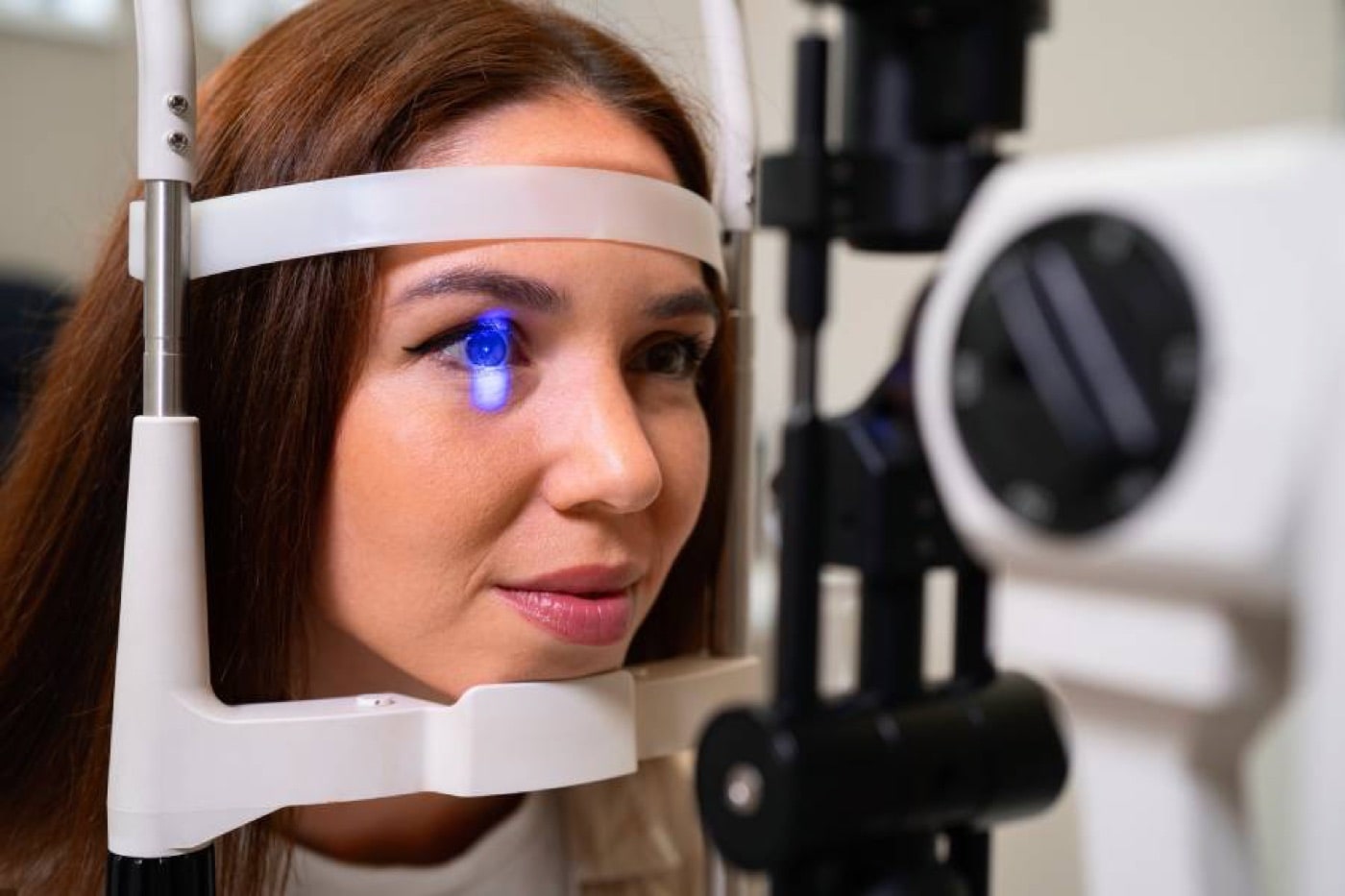
After LASIK eye surgery, wearing sunglasses during the recovery period is very important. Protection against intense light and UV radiation is vital for supporting optimal healing and achieving the best visual results. This precaution is indispensable for patients who undergo the procedure. After surgery, many people experience heightened light sensitivity that calls for sunglasses to reduce exposure to sunlight or bright indoor lighting. Determining the appropriate length of time to wear sunglasses after the procedure is critical. Understanding the recommended time frame and the reasoning behind it can help patients manage their recovery after LASIK eye surgery with confidence and care.
Care After LASIK Surgery
LASIK, short for Laser-Assisted In Situ Keratomileusis, is a common laser eye surgery that aims to correct nearsightedness, farsightedness and astigmatism. The procedure involves precisely reshaping the cornea with a laser, thereby improving the eye's ability to focus. The LASIK procedure itself is quite short, taking about 15 minutes per eye. However, post-operative care is very important for a smooth recovery. Following the eye surgeon's post-operative instructions is essential to reduce complications and optimize results.
Protecting the Eyes from Harmful Ultraviolet Light
Protecting the eyes from harmful ultraviolet (UV) radiation and intense light is a critical part of care after LASIK surgery. Sunglasses are a vital tool in this effort. They act as a barrier against potentially harmful light, reduce glare and discomfort, and support a calmer recovery phase.
In addition to wearing sunglasses, patients should carefully follow other post-LASIK care protocols. These include avoiding rubbing the eyes, using the prescribed eye drops and attending scheduled follow-up appointments with their eye surgeon. By taking good care of their eyes during the recovery period after LASIK surgery, patients can fully benefit from LASIK eye surgery and achieve improved visual acuity.
In addition to wearing sunglasses, patients should carefully follow other post-LASIK care protocols.
Why Wearing Sunglasses After LASIK Surgery Matters
After LASIK eye surgery, protecting the eyes from harmful UV radiation and intense light is essential for a smooth recovery. Increased sensitivity to light in the first weeks and beyond means sunglasses should be worn whenever you go outdoors. Given the cornea's temporary sensitivity to the sun's ultraviolet radiation, UV protection is a critical factor after LASIK surgery. Excessive UV exposure can cause sunburn of the cornea, inflammation and potentially a regression of the vision correction achieved with LASIK. Sunglasses also act as a buffer against the increased light sensitivity that is characteristic of the post-LASIK period. In the first days after surgery, discomfort and even pain may occur in response to light. Choosing sunglasses with high-quality lenses can reduce glare and filter out intense brightness, increasing comfort during outdoor activities while your eyes heal. Sunglasses also act as a barrier against particles such as debris and dust that could get into the eyes, cause discomfort and potentially hinder healing. Consistently wearing sunglasses during the recovery phase optimizes the chances of proper healing and the best possible results from the LASIK procedure.
Recommended Duration for Wearing Sunglasses
After LASIK surgery, following specific sunglasses guidelines to protect the eyes during the recovery phase is very important. How long protective eyewear should be worn after LASIK is not the same for everyone and is influenced by many individual factors. It typically ranges from a few days to a few weeks. Immediately after LASIK surgery, the eyes are more sensitive to light while healing is under way. Wearing sunglasses outdoors is essential, even on cloudy days. This precaution helps ease discomfort and prevent UV-related eye damage during a period of increased sensitivity. As the eyes heal and visual acuity improves, the need for sunglasses decreases. However, continuous protection from intense sunlight and glare remains very important, especially in the first weeks after surgery.
Your eye surgeon will give you personalized advice on how long to wear protective eyewear, taking your unique recovery process into account. They will consider factors such as the type of LASIK procedure, your age and any pre-existing eye conditions that may affect your healing rate. In general, LASIK patients are advised to wear sunglasses continuously for at least one to two weeks after surgery. After that, they can switch to wearing them only outdoors or in bright environments. Following your surgeon's instructions and paying attention to your body's signals will support a smooth and comfortable recovery.
Choosing the Right Sunglasses for Care After LASIK Eye Surgery
The most important consideration when choosing sunglasses after LASIK surgery is ensuring optimal eye protection. It is essential to choose lenses that block UV rays, thereby protecting the eyes from potential damage and discomfort during the recovery phase.
Polarized lenses are an excellent choice for eyewear after LASIK eye surgery. These lenses reduce glare and improve visual clarity, making it easier to adjust to brightly lit environments. Their benefits become even more noticeable when driving or during prolonged sun exposure. A wraparound style is also recommended for sunglasses after LASIK eye surgery. This type of design provides enhanced protection by blocking light and wind from the sides. It also helps maintain eye moisture, a critical factor for effective healing after surgery.
When buying sunglasses, it is important to prioritize a model that is both comfortable and fits securely. It is very important to avoid glasses that put excessive pressure on the eye or nose area, as they can cause discomfort and potentially hinder healing. Your eye doctor can make specific recommendations about the most suitable brands or styles for care after LASIK eye surgery.
Other Important Precautions After LASIK Eye Surgery
Post-LASIK care requires following several critical precautions to support a smooth recovery and achieve optimal visual outcomes. Using the prescribed post-LASIK eye drops exactly as instructed by your ophthalmologist is essential. These medications help prevent infection, reduce inflammation and keep the eyes moist throughout the recovery phase.
Given the tendency for eye irritation after the procedure, avoiding rubbing your eyes is another key precaution. Such rubbing can trigger complications and hinder healing. If you feel discomfort, using artificial tears or consulting your eye care specialist is recommended.
Regularly attending scheduled follow-up appointments is indispensable for continuously monitoring your eye recovery and confirming proper healing. These visits allow your eye doctor to assess your visual acuity and eye health and address any urgent concerns.
Attending all recommended follow-up visits is very important for maximizing the benefits of your LASIK surgery.
Signs That You May Need to Wear Sunglasses Longer
After LASIK eye surgery, it is very important to follow your eye doctor's sunglasses recommendations. While many patients can reduce their reliance on sunglasses within a few weeks, some may experience prolonged light sensitivity that requires longer-term protection. Persistent eye discomfort or fluctuating vision may indicate a need for longer-term sunglasses use.
Prolonged light sensitivity usually indicates a longer recovery period for your eyes. If bright lights continue to cause discomfort or make you squint weeks after LASIK surgery, wearing sunglasses is recommended without delay. This sensitivity is especially noticeable outdoors or in well-lit indoor spaces. In addition, persistent eye discomfort is a critical indicator. Although mild irritation is common in the initial recovery phase, persistent pain, dryness or a gritty feeling may require longer-term sunglasses use. Sunglasses can ease discomfort by reducing glare and protecting the eyes from wind and debris.
The information on our website is not intended to direct individuals to any treatment. Do not take any diagnostic or treatment steps without consulting your doctor. The content does not contain information about İzmir Can Hastanesi's therapeutic healthcare services.