Newborn jaundice is a common health problem in newborn babies. It causes a yellow color in the baby's skin and the whites of the eyes. This condition is due to excess bilirubin building up in the baby's body. Signs of jaundice appear a few days after birth. In newborns, the condition occurs because the body cannot clear the excess bilirubin. Mild cases of jaundice usually resolve on their own and do not require treatment. However, in some cases newborn jaundice can become more serious and require medical intervention. Parents should therefore watch carefully for signs of jaundice in their newborn and consult healthcare professionals when necessary.
Definition and Symptoms of Newborn Jaundice
Newborn jaundice is a common condition in babies. It results from excessive buildup of a yellow pigment called bilirubin in the body. Jaundice develops because a newborn's liver cannot yet process this pigment adequately. The most obvious sign of newborn jaundice is yellowing of the baby's skin and the whites of the eyes. This yellow color usually appears first on the face, then on the trunk and limbs. Signs of jaundice begin to appear 2–3 days after birth and usually peak within the first week.
Babies showing signs of jaundice may also have symptoms such as lethargy, poor appetite and excessive sleepiness. Babies with jaundice may also tend to feed less and urinate less. For the newborn's health, it is important to monitor these signs closely and seek medical intervention when needed.
When parents notice the signs of newborn jaundice early and take their baby for regular checkups, possible complications can be prevented. It should be remembered that in severe cases of jaundice, the baby is at risk of brain damage. For this reason, babies showing signs of jaundice should be taken to a healthcare facility as soon as possible.
Causes of Newborn Jaundice
Newborn jaundice is a common condition in babies. Its main cause is a rise in bilirubin levels. Bilirubin is a yellow substance produced when red blood cells break down. In newborns, the liver may keep bilirubin levels higher than normal until it fully matures. Blood incompatibility is also among the causes of jaundice. When the blood types of the mother and baby are incompatible, the red blood cells in the baby's blood may break down. This raises bilirubin levels and leads to newborn jaundice.
Breastfeeding problems can also contribute to jaundice. Inadequate feeding or a delay in the mother's milk coming in can raise bilirubin levels. Regular breastfeeding and feeding of newborns are therefore vital. Infections, medications and genetic factors can also cause newborn jaundice. These factors can raise bilirubin levels by affecting the baby's liver function. Doctors determine the appropriate treatment methods while investigating these causes.
Risk Factors for Newborn Jaundice
Newborn jaundice is a common condition in babies. However, some babies are more likely to develop it. Premature birth is one factor that increases this risk. Because their livers are not yet fully developed, babies born early may have difficulty regulating their bilirubin levels.
This risk is also higher in breastfed babies. This condition, known as breast milk jaundice, is linked to certain factors in breast milk that affect how the baby processes and eliminates bilirubin; it is usually harmless, and breastfeeding is continued. However, given the benefits of breast milk, breastfeeding holds an important place in newborn care. Blood type incompatibility can also increase the risk. If the mother's and baby's blood types are incompatible, the mother's antibodies that pass to the baby can break down the baby's red blood cells and raise bilirubin levels. This condition should be kept under control with close monitoring and appropriate treatment.
Diagnosis of Newborn Jaundice
Newborn jaundice is a condition frequently seen in babies. The first sign of jaundice is a yellow tint to the baby's skin. However, more detailed tests are needed for a definitive diagnosis. The bilirubin test is one of the most critical methods for diagnosing newborn jaundice. This test measures the amount of bilirubin in the baby's blood. Bilirubin is produced through the breakdown of red blood cells. High bilirubin levels are considered a sign of jaundice.
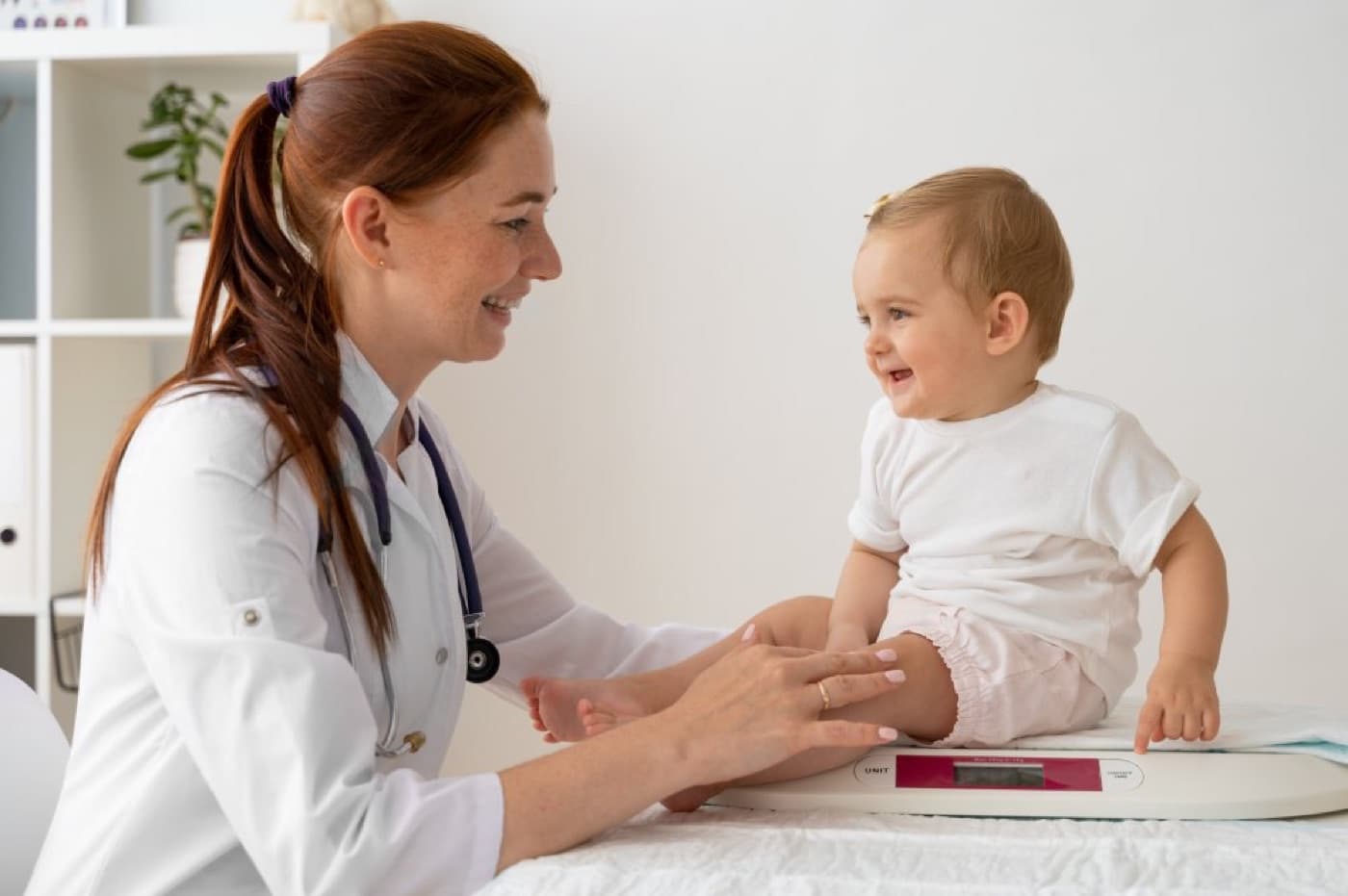
The bilirubin test is performed using a blood sample taken from the baby's heel. Test results are evaluated according to the baby's age and gestational age at birth. If bilirubin levels are higher than normal, further tests and treatment may be needed. A physical examination also plays an important role in diagnosing newborn jaundice. The doctor examines the yellow tint of the baby's skin and other signs. The baby's general health, feeding habits and family history are also evaluated.
In some cases, additional tests are needed. If blood type incompatibility or infection is suspected, more detailed blood tests are performed. Rarely, an ultrasound or biopsy may be needed to evaluate liver function. Early diagnosis of newborn jaundice plays a critical role in preventing possible complications. It is important for parents to carefully watch for signs of jaundice in their baby and attend regular health checkups.
It is important for parents to carefully watch for signs of jaundice in their baby and attend regular health checkups.
Treatment Methods for Newborn Jaundice
Phototherapy is one of the most commonly used methods for treating newborn jaundice. In this technique, a special light source is applied to the baby's skin in hospital. The light helps lower bilirubin levels in the body. During treatment, the baby's eyes are covered with special protection and the feeding routine is continued.
Exchange transfusion is another treatment method preferred for babies with high bilirubin levels who do not respond to phototherapy. In this procedure, the baby's blood is removed from the body with a special device and replaced with healthy blood. This method lowers bilirubin levels rapidly.
Regular feeding and fluid intake are also critically important in treating newborn jaundice. Breast milk is a natural source that helps jaundice resolve. Great importance is also placed on letting the baby rest in a comfortable environment and keeping them away from stress factors.
Early diagnosis and treatment of newborn jaundice play a vital role in preventing possible complications. Parents should closely monitor signs of jaundice and consult healthcare professionals when necessary. Treatment applied correctly and on time can successfully treat newborn jaundice.
Preventing Newborn Jaundice


Newborn jaundice is a common condition in babies. Some measures can be taken to reduce the severity of jaundice. In newborn care, regular breastfeeding is one of the most critical steps. Breast milk strengthens the baby's immune system and helps eliminate the substances that cause jaundice. In addition to breastfeeding, it is also important for the baby to get enough fluids through breast milk or formula; newborns should not be given water or sugar water. This helps eliminate toxins from the body and reduces jaundice. Parents can monitor their baby's fluid intake by keeping track of diaper changes.
Regular health checkups play a critical role in the early diagnosis and treatment of newborn jaundice. Parents should follow the checkup schedule recommended by their doctor and seek medical help immediately if they have any concerns. Early intervention can prevent jaundice from progressing and reduce possible complications.
Exposing the baby to sunlight at home is not recommended for preventing or treating newborn jaundice; sunlight does not reliably lower bilirubin and can cause sunburn or changes in the baby's body temperature. If treatment is needed, phototherapy is given in hospital under controlled conditions.
Complications of Newborn Jaundice
Newborn jaundice is a common health problem in babies. When levels are high and the condition is left untreated, it can lead to serious complications. Kernicterus is the most serious of these complications and can cause brain damage and permanent neurological problems.
Babies who develop kernicterus may have serious problems such as hearing loss, cerebral palsy, intellectual disability and death. Early diagnosis and treatment of newborn jaundice are therefore extremely important. Parents should closely monitor signs of jaundice in their baby and contact healthcare professionals immediately if they have any concerns.
Other newborn problems that may develop in connection with jaundice include anemia, dehydration and feeding problems. These complications can affect the baby's overall health and adversely affect growth and development. With regular follow-up and appropriate treatment, complications of newborn jaundice can be prevented or minimized.
Key Points About Newborn Jaundice for Parents
Newborn jaundice is a health issue that is critically important for parents to be aware of. Regularly monitoring changes in your baby's skin color is vital for early diagnosis and treatment. Especially in the first few weeks, you should stay highly alert to signs of jaundice in your baby's skin and eyes.
Regular health checkups provide valuable information about the course of newborn jaundice. It is essential to follow the checkup schedule recommended by your doctor and not hesitate to voice your concerns. If treatment is needed, fully adhering to the treatment plan and carefully following instructions is vital for your baby's health.
Early intervention plays a key role in preventing the potential complications of newborn jaundice. If you notice signs of jaundice in your baby, you should contact your healthcare team without delay. Continually keeping yourself informed about newborn care and becoming aware of jaundice is one of the most important steps you can take for your baby's healthy growth.
The information on our website is not intended to direct individuals to any treatment. Do not take any diagnostic or treatment steps without consulting your doctor. The content does not contain information about İzmir Can Hastanesi's therapeutic healthcare services.