Sleeve gastrectomy, also known as gastric sleeve surgery, is a type of bariatric surgery that aims to achieve significant weight loss in people with obesity. The procedure involves removing a large portion of the stomach, leaving behind a small, sleeve-shaped pouch. This design limits food intake and promotes weight loss. But one question still remains: who is the ideal candidate for this surgery?
Several factors must be evaluated to determine eligibility for sleeve gastrectomy. These include your body mass index (BMI) and obesity-related health conditions. In addition, commitment to long-term lifestyle changes is very important. Consulting a reputable and experienced surgeon is essential. This consultation will help assess your individual suitability for effective obesity surgery.
What Is Sleeve Gastrectomy?
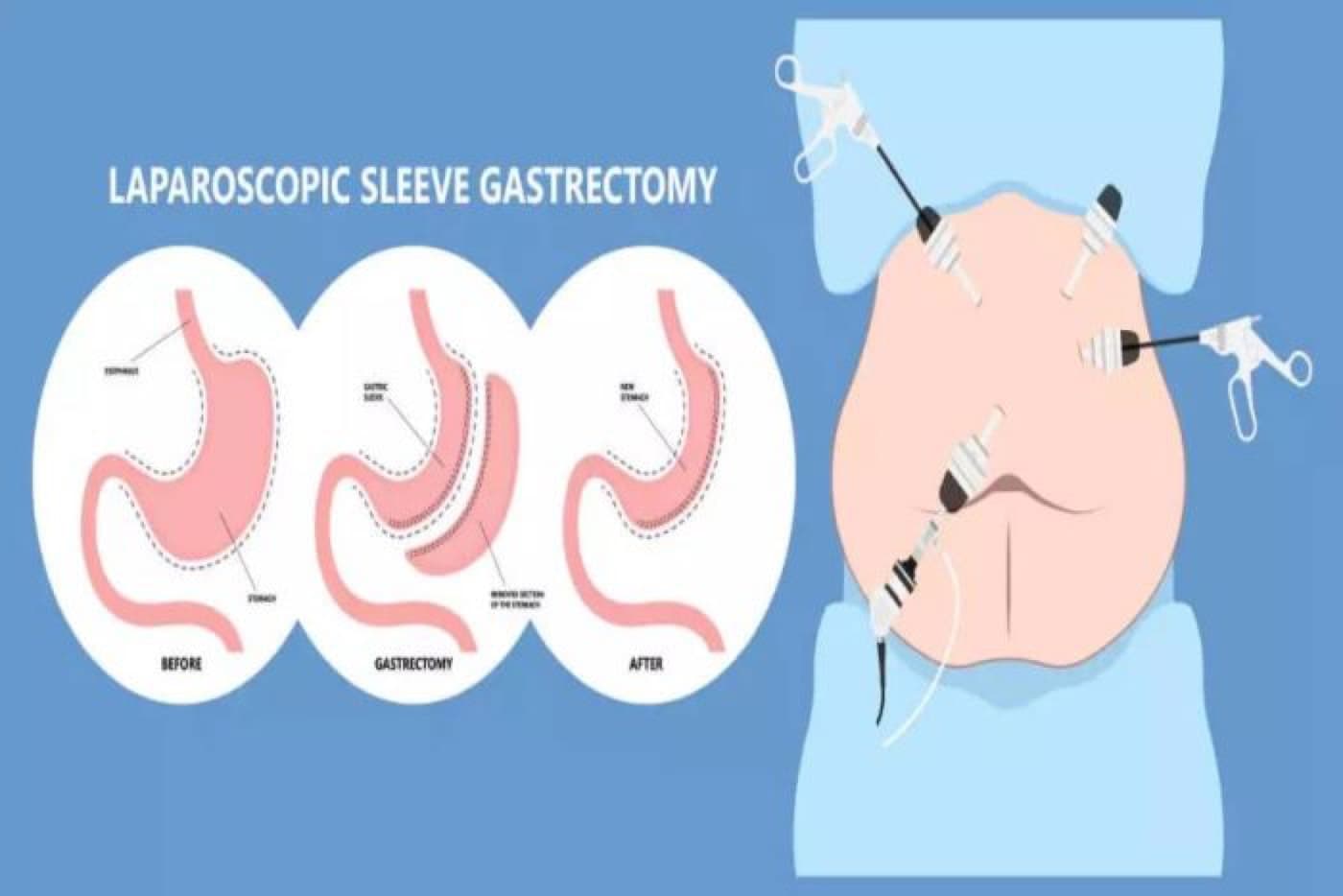
Gastric sleeve surgery, or sleeve gastrectomy, is a leading weight-loss operation. By removing about 80% of the stomach, it significantly reduces weight. What remains is a narrow, tube-like stomach, which limits food intake and helps you feel full sooner. This procedure not only restricts food but also reduces the production of ghrelin, a hormone that causes hunger. As a result, patients feel less hunger and fewer cravings. This makes it more manageable to follow a balanced diet and lifestyle. The surgery is performed laparoscopically and, compared with open surgery, offers smaller incisions, less scarring and faster recovery.
In İzmir, Can Hastanesi has a team of experienced bariatric surgeons who have helped many patients on their weight-loss journeys with weight-loss surgeries, including sleeve gastrectomy.
Despite its many advantages, sleeve gastrectomy carries inherent risks. Complications such as bleeding, infection or adverse reactions to anesthesia are possible. However, the medical team at Can Hastanesi prepares meticulously to reduce these risks and strives to achieve the best patient outcomes.
Calculating Body Mass Index
Body mass index (BMI) is very important in assessing eligibility for sleeve gastrectomy. Calculated by dividing weight in kilograms by the square of height in meters, this value serves as a fundamental criterion. Typically, a BMI of 40 or higher is required for this obesity surgery. However, individuals with a BMI between 35 and 39.9 may also be eligible if they suffer from obesity-related health problems. Such comorbidities can greatly affect a person's quality of life and increase the risk of serious health problems. These include type 2 diabetes, sleep apnea and high blood pressure.
Although BMI is a critical factor, it is not the only criterion for sleeve gastrectomy eligibility. Healthcare professionals also consider overall health, medical history and the patient's commitment to lifestyle changes. Together, these factors determine a patient's suitability for the procedure. If you suspect you may be eligible for sleeve gastrectomy based on your BMI and other criteria, it is advisable to consult a bariatric surgeon. They can perform a comprehensive evaluation and help determine your eligibility for this life-changing surgery.
If you suspect you may be eligible for sleeve gastrectomy based on your BMI and other criteria, it is advisable to consult a bariatric surgeon.
Which health conditions make you eligible for sleeve gastrectomy?
The primary determinant of eligibility for sleeve gastrectomy is a high body mass index (BMI). However, certain obesity-related health conditions can also make individuals eligible for this procedure. These comorbidities usually result from excess weight and significantly affect a person's quality of life.
Type 2 diabetes is a common comorbidity among sleeve gastrectomy candidates. It occurs when the body becomes resistant to insulin or cannot produce enough of it, causing blood sugar levels to rise. Sleeve gastrectomy has been shown to effectively improve and even resolve type 2 diabetes in many patients. Sleep apnea is another obesity-related health condition that can make a person eligible for sleeve gastrectomy. This disorder causes repeated pauses in breathing during sleep, leading to daytime fatigue and an increased risk of heart disease. Sleeve gastrectomy can relieve sleep apnea symptoms and improve overall sleep quality.
Hypertension, or high blood pressure, is common among people struggling with obesity. It puts extra strain on the heart and blood vessels, increasing the risk of heart disease and stroke. Sleeve gastrectomy has been shown to effectively lower blood pressure and reduce cardiovascular complications in many patients. Finally, joint pain and osteoarthritis are common comorbidities among sleeve gastrectomy candidates. Excess weight puts stress on weight-bearing joints such as the knees and hips, leading to pain and inflammation. In many patients, sleeve gastrectomy facilitates weight loss, relieves joint pain and improves mobility.

Are the results of sleeve gastrectomy permanent?
Sleeve gastrectomy is a transformative tool for weight loss, but it is not a cure-all. To ensure lasting success after surgery, patients must commit to permanent lifestyle changes. This requires adopting a balanced diet, engaging in consistent physical activity and receiving ongoing support from healthcare professionals.
After surgery, patients must adapt their eating habits to their reduced stomach capacity. This means eating smaller, more frequent meals and prioritizing nutrient-rich foods. In addition, regular physical exercise is very important for maintaining weight loss and improving overall health after sleeve gastrectomy. Patients should aim to incorporate both aerobic and strength-training exercises into their routine. By maintaining a close relationship with their healthcare providers and staying firmly committed to their new, healthier lifestyles, patients can achieve sustainable weight loss and a better quality of life after sleeve gastrectomy.
References:
https://my.clevelandclinic.org/health/treatments/22931-gastric-sleeve-surgery
The information on our website is not intended to direct individuals to any treatment. Do not take any diagnostic or treatment steps without consulting your doctor. The content does not contain information about İzmir Can Hastanesi's therapeutic healthcare services.