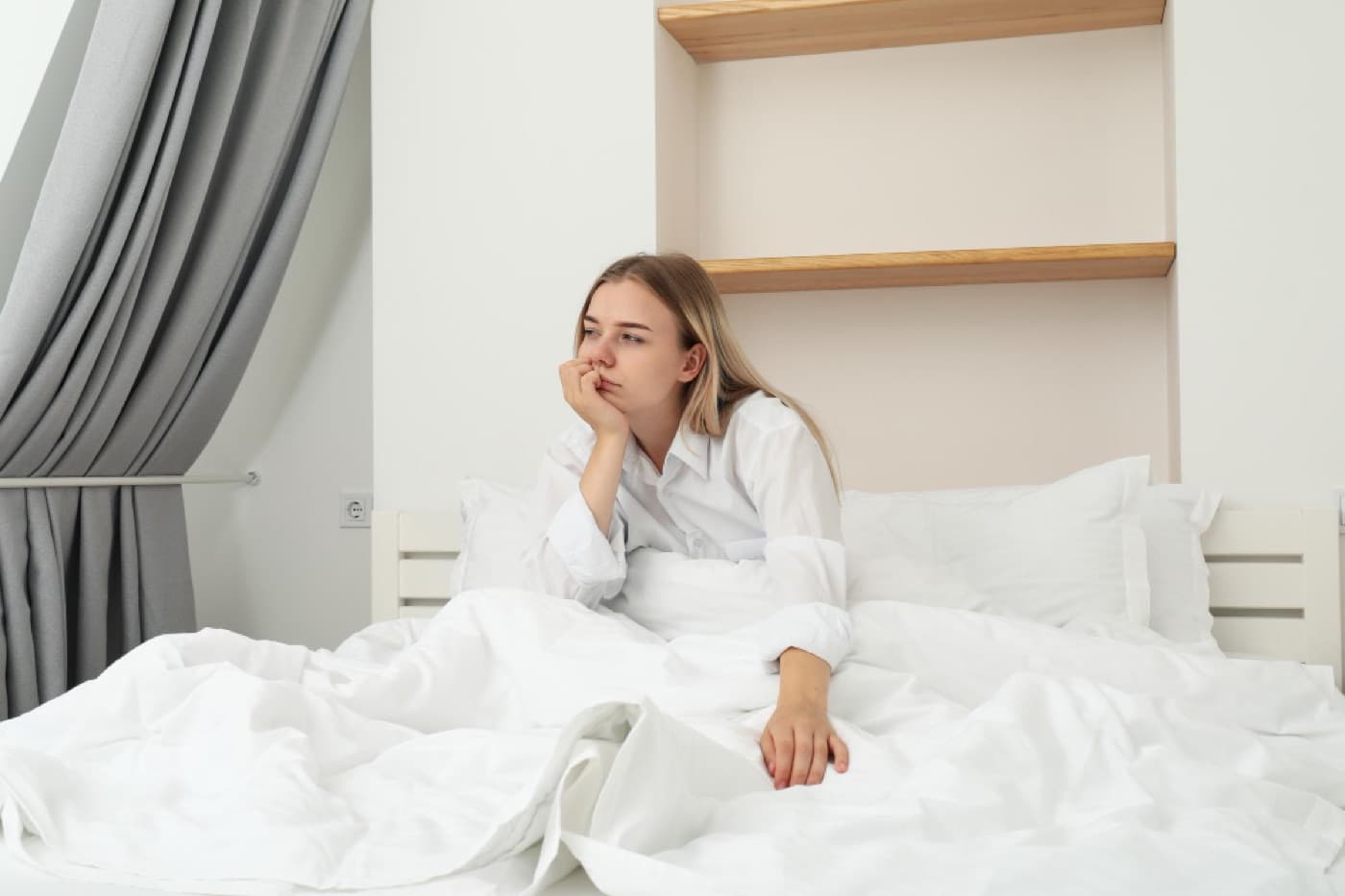
Sleep disorders are a group of diseases that are common in the population, impair the patient's sleep and quality of life, lead to diseases that are difficult to treat and life-threatening if left untreated, and are still not sufficiently recognized by physicians and patients.
Our clinic is a center that provides services with two polysomnography (PSG) beds.
When a patient comes to our hospital, they are first examined by the responsible sleep physician, and after preliminary tests related to their conditions are performed, it is decided which sleep tests the patient needs.
When it is decided to perform an overnight diagnostic PSG, CPAP titration under PSG, a daytime Multiple Sleep Latency Test (MSLT) or a Maintenance of Wakefulness Test (MWT), the patient is referred to the responsible technician to schedule an appointment and receive visual information about the procedures. The procedures are explained to the patient visually, and a trial with the mask is done for CPAP titration.
Patients are evaluated overnight with polysomnography according to their preliminary diagnosis.
The recordings are pre-evaluated by the technician, and the center's medical director reviews and scores the PSG report. The result is then reported.
Depending on the diagnosis, the patient is referred to the sleep physician. Based on the diagnosis, the physician presents the treatment options and the treatment is planned.
When the patient wakes up in the morning, a complete blood count, routine biochemical tests, a pulmonary function test, a chest X-ray, an ECG, hormone tests, chest and Waters' view X-rays and, if necessary, CT and MRI are requested. If a sleep-related breathing disorder such as obstructive sleep apnea is detected, then depending on the severity of the disease, the pressure settings of breathing support devices such as CPAP, BPAP, ASV and AVAPS are determined overnight under PSG. This procedure is called CPAP titration. It is performed overnight at the sleep center, and the PSG report is evaluated in the morning.
The pressure at which the patient's respiratory events disappear and breathing normalizes is identified, and the device's treatment pressure is set accordingly. The patient then starts treatment at this pressure.
For other sleep disorders, the treatment methods to be prescribed or applied are determined according to the patient's characteristics and the severity of the disease, and are applied to the patient.
In Our Sleep Disorders Laboratory:
- Insomnia (difficulty falling asleep, difficulty staying asleep, waking earlier than expected)
- Sleep-related breathing disorders (obstructive sleep apnea syndrome, central sleep apnea syndrome, hypoventilation and hypoxemia syndromes)
- Central disorders of hypersomnolence (narcolepsy types 1 and 2, other hypersomnias)
- Circadian rhythm sleep-wake disorders (shift work, jet lag, advanced and delayed sleep phase, etc.)
- Parasomnias (sleepwalking, enuresis, sleep talking, REM sleep behavior disorder)
- Sleep-related movement disorders (restless legs syndrome, bruxism, periodic limb movements, etc.)
Conditions such as other sleep disorders are also treated.
The information on our website is not intended to direct individuals to any treatment. Do not take any diagnostic or treatment steps without consulting your doctor. The content does not contain information about İzmir Can Hastanesi's therapeutic healthcare services.