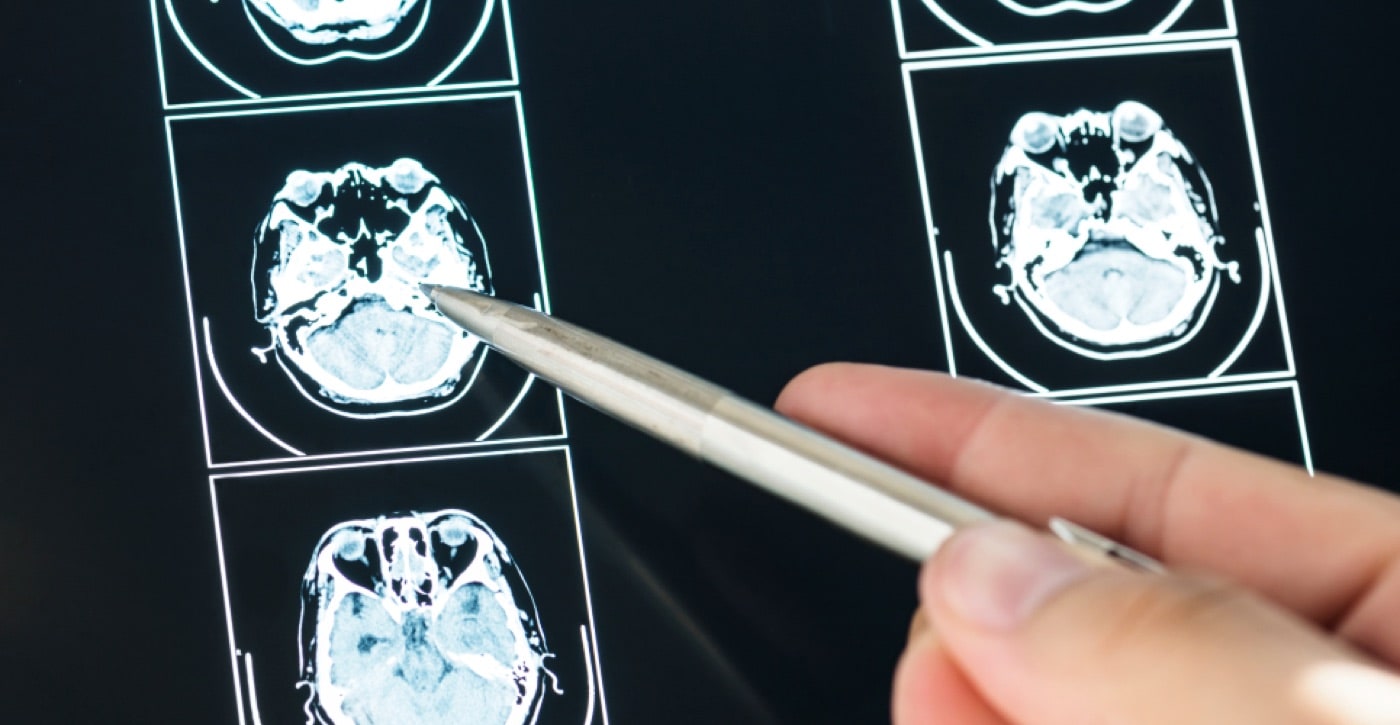
Brain tumors, which result from the uncontrolled growth of brain cells, can arise in two ways. One is tumors originating in the brain itself; the other is tumors formed when a cancer that developed elsewhere in the body metastasizes to the brain.
Tumors originating in the brain itself can be benign or malignant. Benign brain tumors gradually grow inside the brain, occupy space, have well-defined borders and are usually encapsulated. Depending on their location, benign tumors can be removed completely.
Malignant tumors, on the other hand, spread by extending finger-like projections into the brain. For this reason, their borders are not very distinct. It is often not possible to remove them completely.
The other tumors we see in the brain are metastatic ones. In adults, tumors that have spread to the brain (metastatic tumors) are more common than tumors arising from the brain itself (primary tumors). They most often follow lung and breast cancer, melanoma and kidney cancer.
As for the meaning of the word, metastasis is when cells belonging to a developing tumor tissue gradually enter the nearest blood circulation, travel from where they are to a different tissue in the body and continue to grow there.
On the other hand, there is no routine screening test for brain tumors in the general population. For this reason, new or persistent neurological symptoms should be evaluated promptly by a doctor so that brain tumors can be detected and treated as early as possible.
What causes brain tumors?
Just as in the other organs of our body, tumors can form in the cells of our brain. Like people, cells are born, develop, grow, age and die. But at times this normal course goes the opposite way and these processes develop differently. In that case, various problems can occur.
For example, cells that are not needed may form, or cells may not die when they should, and as a result the build-up of both unnecessary and excess cells can lead to clustering. Another name for this cluster is a tumor. Since not every tumor is called cancer, a cluster that forms in the brain is called a brain tumor.
Symptoms of Pediatric (Childhood) Brain Tumors
Together with leukemia, brain tumors are among the most common cancers in childhood. Some of the brain tumor types seen in children arise from cells in the developmental period, and these types are much rarer in adults. Another important fact about childhood brain tumors is that they account for about 20% of childhood cancers.
They are generally seen in the brainstem and cerebellum. Although malignant tumors are found in about half of cases, treatment success is much higher than in adults. Today, very successful results are achieved through surgical removal of tumors and the treatment methods that follow.
According to the Pediatric Brain Tumor Foundation, approximately 4,200 children are diagnosed with a brain tumor in the USA. Seventy-two percent of children diagnosed with a brain tumor are younger than 15.
Most of these brain tumors grow in the posterior fossa of the brain (a small anatomical space containing very important arteries and veins) or in the back part of the brain. In children, symptoms such as hydrocephalus (build-up of fluid in the brain) or impaired function of the face or body are usually seen.
What Are the Most Common Brain Tumor Symptoms?
Symptoms vary depending on the location of the brain tumor, but in general the following symptoms are seen:
- New-onset, unusual and severe headaches
- Unexplained nausea and vomiting
- Vision and hearing problems
- Loss of balance,
- Speech disorders
- Loss of sensation and strength in the arms or legs, or both
- Feeling tired
- Not following instructions
- Difficulty making decisions
- Sudden personality and behavior changes
- Confusion
- Seizures
What Is a Benign Tumor?
These are tumors that form in the membranes covering the brain (meningiomas) or in the nerves within the brain (schwannomas). In benign brain tumors, surgical treatment removes the tumor completely in over 90% of cases.
Recurrence of the tumor after treatment is generally not seen at all. However, if a piece could not be removed during surgery because the mass is in a very dangerous and difficult location, that piece may grow again over time. Even so, surgical treatment of benign brain tumors gives very good results. Patients return to their daily lives within a very short time as if nothing had happened.
What Is a Malignant Tumor?
Malignant brain tumors are abnormal or rapidly growing brain tumors that contain cancer cells. Because these tumors grow quickly, they spread into healthy brain cells and threaten life. We can liken these tumors to trees. Just like trees, they spread by taking root in healthy brain tissue and feed on that tissue. Tumors in this group are known to be the most common type after metastases. Because these tumors usually form close to critical structures of the brain and nerves, precise methods with maximum safety are used in their treatment. For these reasons, “Neuronavigation” and “Stereotactic Surgery” methods may be used.
How Is a Brain Tumor Detected? What Are the Diagnostic Methods?
After a neurological examination, the following imaging methods are generally used to diagnose a brain tumor:
- Magnetic Resonance Imaging (MRI), usually with an intravenous contrast agent
- Computed Tomography (CT)
The doctor first listens to the complaints and performs a neurological examination assessing vision, hearing, balance, coordination, muscle strength and reflexes. Contrast-enhanced MRI usually provides the most detailed information about the tumor's location, size and relationship to surrounding tissues; CT is used especially in emergencies or for patients who cannot have an MRI. When needed, advanced imaging methods such as MR spectroscopy, perfusion MRI or PET may be used. A definitive diagnosis is usually made by pathological examination of tissue obtained by biopsy, either during surgery or with a needle. This examination helps determine the type of tumor and the next step in treatment.
A definitive diagnosis is usually made by pathological examination of tissue obtained by biopsy; this examination helps determine the next step in treatment.
Brain Tumor Treatment Methods
Three main methods are used to treat brain tumors: brain surgery, drug therapy and radiation therapy. Of these, brain surgery generally comes to the fore. The reason is that tumors usually press on the brain inside the skull and increase intracranial pressure.
Surgical Treatment (How Is Brain Tumor Surgery Performed?)
In surgical treatment, the tumor is removed, pressure on the brain and nerves is relieved, and pathological examinations are performed to determine the tumor type. Moreover, tremendous progress is being made in surgical treatment today. To give a few examples, the use of the surgical microscope has become standard, and intraoperative MRI makes an important contribution to the removal of some tumors.
Chemotherapy (Drug Therapy)
Very important advances have also begun to be made in drug therapy in recent years. Chemotherapy, generally used for malignant tumors, prolongs patients’ survival and in some cases leads to complete recovery. However, drug therapy is sometimes needed for benign tumors as well, particularly pituitary gland tumors.
Radiation (Radiotherapy)
Radiation therapy uses high-energy X-rays to kill cancer cells and abnormal brain cells and to shrink tumors. If the tumor cannot be treated effectively with surgery, radiation therapy may be an option.
Frequently Asked Questions About Brain Tumors
Can You Have a Brain Tumor Without Symptoms?
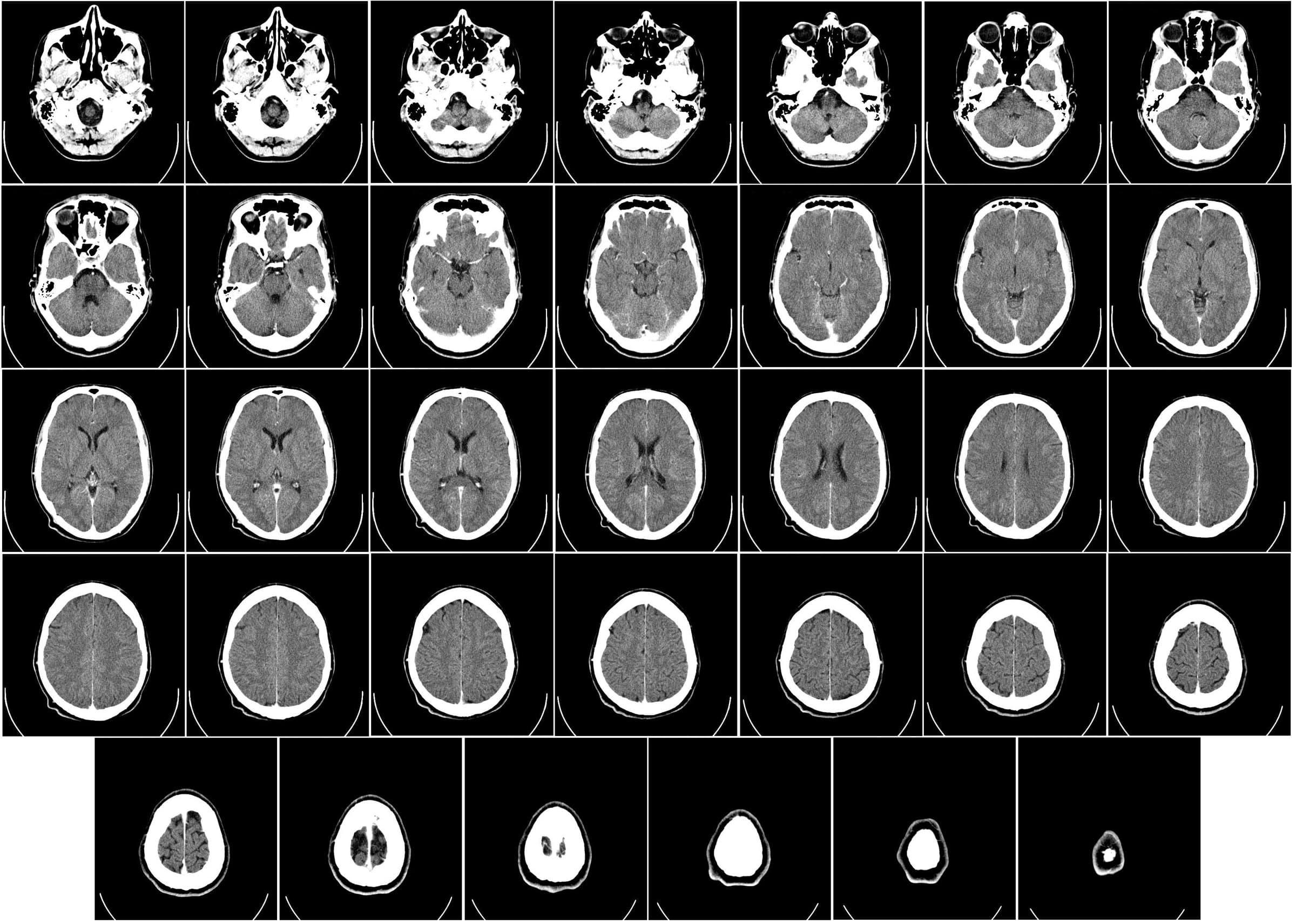

Brain tumors do not always cause symptoms. In fact, meningioma, the most common brain tumor in adults, usually grows so slowly that it goes unnoticed. Tumors may not begin to cause symptoms until they grow large enough to interfere with healthy tissue in the brain.
What Are the Survival Rates for Patients With Brain Tumors?
Survival rates differ for each type of brain tumor and vary according to age, race and overall health. Survival rates are actually estimates based on averages.
The five-year survival rate shows what percentage of people live at least five years after being diagnosed with a brain tumor. According to research, the five-year survival rates for meningioma, the most common type of benign (non-cancerous) primary brain tumor, are as follows:
over 96% for children aged 14 and under,
97% for people aged 15 to 39,
and over 87% for adults aged 40 and over.
Are Brain Tumors Hereditary?
Genetic factors are responsible for a small proportion (less than 5%) of brain tumors. Certain inherited conditions put individuals at greater risk of developing tumors.
How Common Are Primary Brain Tumors?
Primary brain tumors (tumors that originate in your brain) are generally rare. According to a study in the United States, each year only 5 in 100,000 people are diagnosed with a primary brain tumor, and approximately 4,100 children under the age of 15 are diagnosed with a brain or central nervous system tumor.
Can Brain Tumors Be Prevented?
Unfortunately, a brain tumor is not a preventable disease. However, you can reduce your risk of developing a brain tumor by avoiding environmental hazards such as smoking and excessive exposure to radiation.
If you have a first-degree biological relative (sibling or parent) who has been diagnosed with a brain tumor, it is very important to tell your healthcare provider. You can consult your doctor to find out whether you have an inherited genetic syndrome associated with brain tumors.
What Questions Can You Ask Your Doctor About a Brain Tumor?
If you have been diagnosed with a brain tumor, it may be helpful to ask your doctor the following questions:
Is the tumor malignant or benign?
What type of tumor do I have?
What is the best type of treatment for me?
Will my treatment cause side effects?
Are my family members at risk of developing a brain tumor?
References:
https://turknorosirurji.org.tr/menu/68/beyin-tumorleri
https://www.cancer.gov/types/brain
https://www.aans.org/en/Patients/Neurosurgical-Conditions-and-Treatments/Brain-Tumors
http://www.curethekids.org/research/
https://www.cancer.net/cancer-types/brain-tumor/statistics
https://braintumor.org/brain-tumors/about-brain-tumors/brain-tumor-facts/
The information on our website is not intended to direct individuals to any treatment. Do not take any diagnostic or treatment steps without consulting your doctor. The content does not contain information about İzmir Can Hastanesi's therapeutic healthcare services.