Our eyes, which contain both tissues found elsewhere in the body and tissues unique to themselves, are the most complex organ in our body. This intricate structure can be affected by many genetic and systemic diseases. Regular eye examinations are important for detecting these diseases, for which early diagnosis and treatment matter, even when there are no complaints.
Our eyes are among the organs most affected by chronic health problems in particular, such as diabetes, hypertension, tumors and vascular diseases. In fact, various vascular and neurological diseases can be diagnosed early through eye examinations. For example, with detailed eye examinations, a person’s risk of Alzheimer’s disease can be detected as early as 17 years in advance, allowing treatment to begin early.
How Is an Eye Examination Performed?
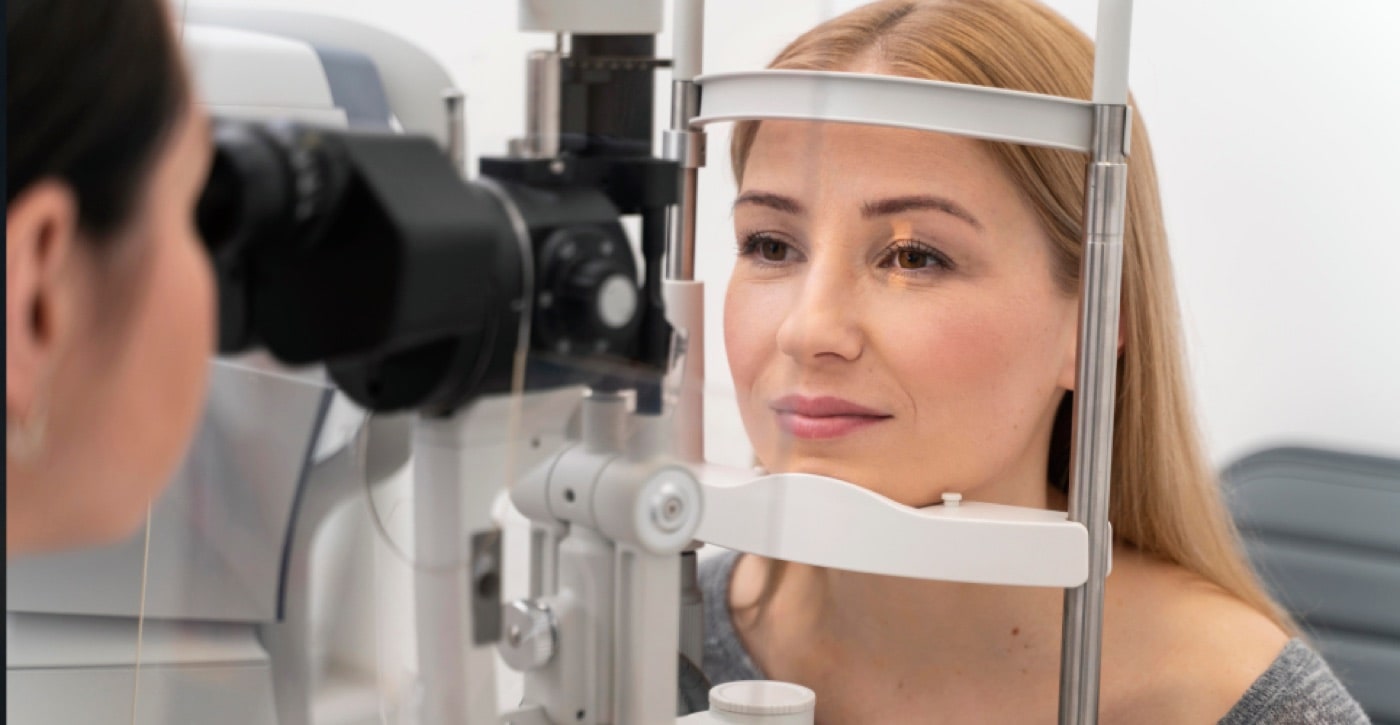
If we ask what an eye examination is and how it is done, it is the process in which multiple aspects of the eye are checked by a specialist ophthalmologist at an eye clinic or eye hospital. This examination is usually completed within 1 hour.
So which tests are performed in our hospital to assess the eyes, and why?
- A Visual Acuity Test is performed to evaluate refractive errors, that is, distance and near visual acuity
- An Eyeglass Examination assesses whether glasses are needed or whether current glasses are adequate
- The eyelids, and accordingly the tear glands and ducts, are evaluated.
- An examination of the eye muscles assesses whether there are problems such as strabismus (crossed eyes) and double vision
- Eye pressure is measured to diagnose glaucoma at an early stage
- With a Biomicroscopic (Slit-Lamp) Examination, the cornea, iris, lens and retina layers of the eyeball are examined and evaluated in the finest detail
- With a Fundus Examination, retinal detachment, glaucoma and the risk of systemic diseases such as hypertension and brain tumors are investigated
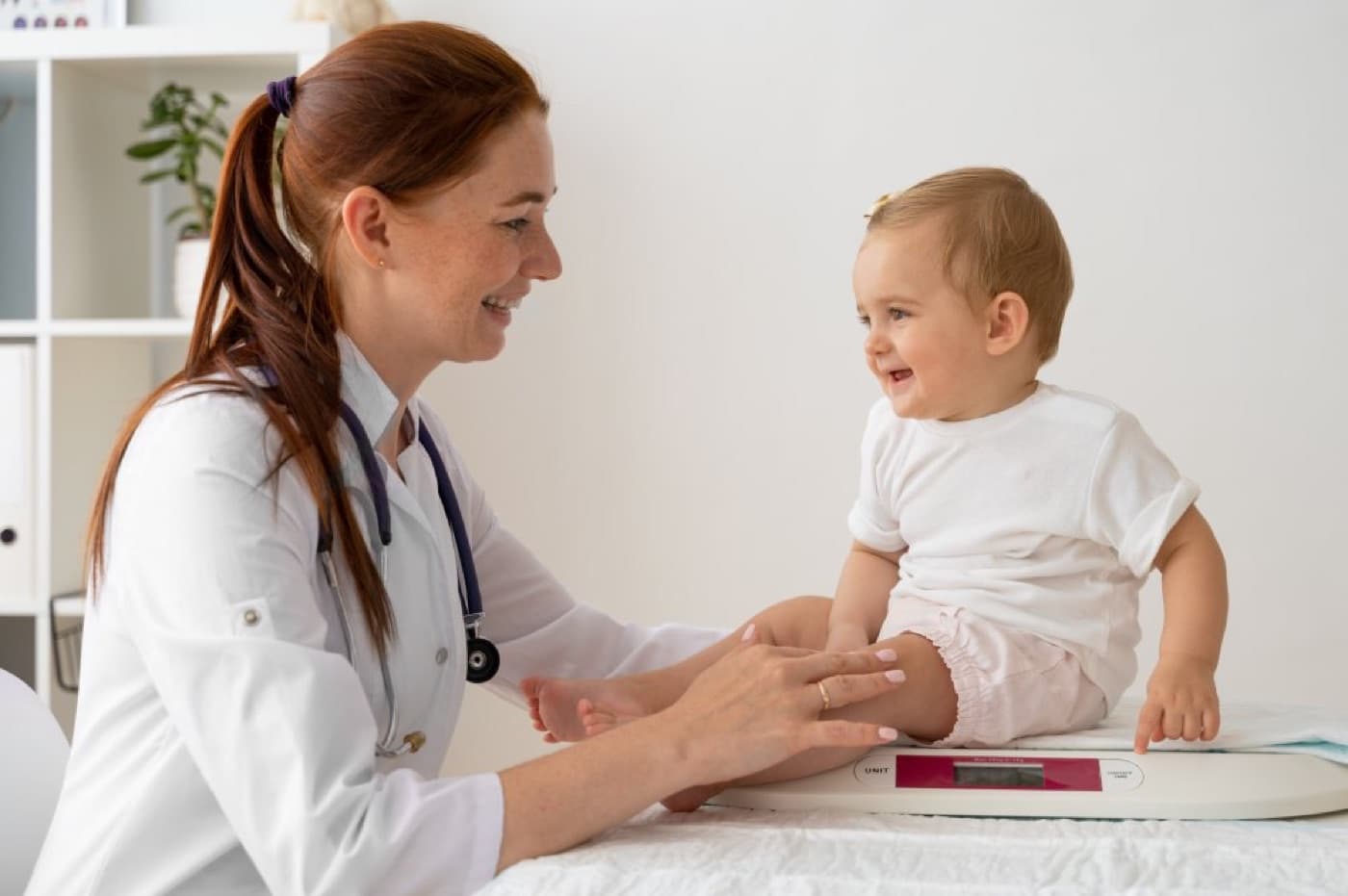
Eye Examinations in Babies
When our adorable newborns come into the world, they can use their vision only to a certain extent. The more the eyes are used, the more visual ability increases in parallel. By the age of 9–10, vision is fully established and does not change further in terms of development.
The general recommendation is that all children be examined by an ophthalmologist within 4 years of birth, even if there are no complaints. Parents need to be aware of this and visit eye hospitals or nearby eye clinics during this period.
It is very important for children to be examined before they start school because, as we all know, early diagnosis saves lives. A specialist ophthalmologist should definitely be seen in order to detect potential eye diseases before it is too late.
In addition, vision screening in schools can also help families. In this screening, called the Snellen Eye Screening (Scale) Study, first one of the student’s eyes is covered, then the other. Finally, the student is asked to read the letter shown with both eyes open. In this way, a possible eye problem is diagnosed at an early age.
If these screenings are not done, learning difficulties due to vision problems may arise, and these learning difficulties can bring many other problems with them. To prevent all these possible problems, it is vitally important to monitor our newborns with routine check-ups and have their eyes measured.
So What Should Be Watched For to Ensure Early Diagnosis?
- Parents monitoring the baby’s eye functions from the first month and then whether the baby makes eye contact,
- Routine ophthalmologist examinations for premature babies starting from the first month after birth,
- Consulting a doctor if the baby lacks eye contact or has a visible difference in the color or shape of the eye,
and other similar situations should be watched for. It should be remembered that eye diseases left untreated in childhood can lead to more serious problems later on. These problems can seriously affect the standard of living, in other words, quality of life.
What Causes Vision Problems?
What we call a vision problem is actually a problem related to the refraction and focusing of light. For our eye to perceive, that is, to see an object, the rays of light are refracted more than once by structures in our eye (mainly the cornea and the lens) and focused onto the retina.
In a healthy person, the image is brought into focus on the layer called the retina and the process of seeing is completed. In people with vision problems, the image cannot be focused on the retina, and as a result a vision problem occurs. All conditions covering these and similar problems are called vision disorders. These problems can generally be corrected with glasses, contact lenses, laser operations and other surgical methods.
On the other hand, vision loss and blurred vision symptoms can also occur due to neurological diseases. In general, conditions such as optic nerve tumors, pituitary gland tumors, cerebral vascular occlusions and genetic diseases can lead to neuro-ophthalmological diseases.
How Can You Tell If You Have a Vision Problem?
Symptoms can easily be noticed in people with problems in their vision. Symptoms such as a stinging or gritty sensation, burning, watering and redness in the eyes are signs of a problem with eye health. Patients with these and similar complaints are advised to go to the nearest eye hospital. To sum up, if the eyes have the following symptoms:
- Heaviness and pain,
- A feeling that a foreign body has gotten into the eye,
- Watering and discharge (crusting) problems
- Itching and redness
- Narrowing and reduction of vision
- Drooping eyelid
experiencing one or more of these problems may be a sign of a problem with eye health.
The Most Common Causes of Vision Problems
As we mentioned above, vision problems can develop due to genetic factors or environmental causes. We can list the most common causes of eye diseases as follows:
As we mentioned above, vision problems can develop due to genetic factors or environmental causes.
- Working or spending long periods in environments with uncomfortable lighting,
- Eye damage caused by a foreign body entering the eye,
- Inflammation of the optic nerve (optic neuritis),
- Vision problems developing due to some febrile illnesses and sinusitis,
- Diabetes and heart disease,
What to Do for Eye Health
So far, we have talked about the importance of eye examinations and the causes of vision problems. From here on, we would like to talk about how we can protect our eye health, what we should do and which foods we should eat.
First of all, a healthy person without vision problems who wants to protect their eye health needs to pay attention to their diet. As with most things, the first step in eye health is taken in the kitchen. For this reason, it will benefit you to eat foods that are good for the eyes frequently.
Your diet should definitely include vegetables and fruits containing vitamins A and B2. If you think you are not eating well enough, you can consult your doctor about which vitamin supplements you should take for your eye health.
Wearing glasses is also a very important factor. Using glasses carelessly can pose serious risks that may cause your eyes to deteriorate. For this reason, you should also renew your glasses according to the results of your routine eye examinations. In addition, since using poor-quality lenses can lead to irreversible problems, you should always use the lenses recommended by your ophthalmologist and opticians.
Before closing the subject of glasses, it is worth mentioning sunglasses, because good-quality sunglasses will benefit you regardless of the season by protecting your eyes from the sun’s harmful rays.
Since these topics are very important, we will examine them in more detail later in the article. In the meantime, to summarize in bullet points what should be done regarding vision problems and eye health:
- Have regular eye examinations
- Wear sunglasses in every season
- Ventilate your work environment and adjust the lighting to suit your eyes
- Look at technological devices and screens from a certain distance (the distance should be at least 60 cm)
- Wash your hands often (hands must be clean when they touch the eyes)
- Minimize things that dry out and tire the eyes
- If you use contact lenses, clean them regularly
Foods and Plants That Are Good for the Eyes
Foods that are good for blood circulation, and therefore for the heart, also contribute to eye health. Examples of plants and other foods that are good for the eyes include:
Dark green leafy plants such as arugula, chard and spinach, and whole grains such as whole rye and wheat, should be eaten regularly.
You can also protect your eye health by eating foods containing beta-carotene. Beta-carotene is defined as a pigment that gives red, orange and yellow vegetables and fruits their vivid colors. These foods include citrus fruits such as oranges, tangerines and grapefruit, as well as carrots, red or yellow peppers, ginger and turmeric.
In addition, zinc, found in beans, peas, red meat and poultry, protects eye health against light damage.
Foods such as spinach, sweet potatoes, leeks, salmon, goat’s milk, eggs and liver also protect vision because they contain vitamin A.
Which Vitamin Supplements Should Be Taken for Eye Health?
In this question, which complements our previous section, we can list the vitamins that are good for eye health as follows:
- Vitamin A; (the enemy of night blindness and cataracts)
- Vitamin B12; (the enemy of symptoms such as burning, redness, and corneal and light sensitivity)
- Vitamin E; (retina-friendly)
The Importance of Our Eyes in Social Life
In most societies, making eye contact is taken for granted as a sign of respect and sincerity. For example, in daily life, when talking with our friends, we do various things such as looking into the other person’s eyes, being unable to take our eyes off them, or staring at them. In fact, eye contact is a means of communication that gives us important information about feelings and desires.
According to social psychologist James Wirth of Ohio State University, making eye contact is so important that if the person we are talking to avoids eye contact, even momentarily, we may feel excluded. This can pave the way for problems such as loss of motivation and difficulty concentrating.
Another finding in James Wirth’s work is that newborn babies prefer to look at people who make direct eye contact rather than at people who avert their gaze. This suggests that the importance of eye contact may actually be encoded in our genes.
Before finishing our article, we would like to share 3 more important facts about eye contact.
- A lack of eye contact in babies and toddlers can be one of the early signs of autism.
- According to research, women make more eye contact than men.
- Even if what is looking at us is an image rather than a living being, a series of activities related to social perception is triggered in our brain.
In short, our eyes are our window to the world. We should take good care of this window and have regular check-ups. We wish everyone good health. Remember, Can is here for you in İzmir and across Türkiye!
Source:
https://evrimagaci.org/goz-temasi-neden-onemlidir-insan-iliskilerinde-islevi-nedir-4264
https://www.scientificamerican.com/article/eye-contact-how-long-is-too-long/
https://www.psychologytoday.com/us/blog/lifetime-connections/201404/cant-see-eye-eye-heres-why
http://norolojiklinigi.info/gorme-kaybinin-norolojik-nedenleri/
The information on our website is not intended to direct individuals to any treatment. Do not take any diagnostic or treatment steps without consulting your doctor. The content does not contain information about İzmir Can Hastanesi's therapeutic healthcare services.