
Basic immunity refers to the immune system's ability to distinguish between ‘self’ and ‘non-self’ cells in the body. The immune system is regarded as a highly coordinated, adaptable defense system that protects the body from invading pathogenic microorganisms and neoplasia. Immune cells can be found throughout the body, and the immune system also has a network of specialized immune organs.
The immune system uses different mechanisms to fight infections caused by microbes and to maintain tissue homeostasis in order to prevent damage. These mechanisms work together in a fully integrated immune effector system to mount a response against a specific invading pathogen or toxic agent. Abnormal regulation of the various effector mechanisms can lead to chronic or acute tissue damage.
Thanks to the development of memory B cells, the immune system remembers antigens that have previously triggered a reaction (memory). These are intermediate, differentiated B cells that can rapidly turn into plasma cells. In addition, circulating antibodies recognize antigens in tissue fluids and serum.
Immunoglobulins
Immunoglobulins (Ig), or antibodies, are glycoproteins produced by plasma cells. The antibody molecule is also known as immunoglobulin. B cells are instructed to differentiate into plasma cells by specific immunogens, such as bacterial proteins. Plasma cells are protein-producing cells that take part in humoral immune responses against bacteria, viruses, fungi, parasites, cellular antigens, chemicals and synthetic substances. Immunoglobulins make up about 20% of the protein in plasma.
What Is an Immunoglobulin Test?
This test checks the levels of certain antibodies in your body called immunoglobulins. Antibodies are proteins that your immune cells produce to fight bacteria, viruses and other harmful invaders. An immunoglobulin test can show whether there is a problem with your immune system. Some conditions cause your body to produce too much or too little immunoglobulin. Having too little immunoglobulin in your blood increases your risk of infections. Having too much may mean that you have allergies or an overactive immune system.
What Should Your IG Level Be?
Reference ranges for IG in the blood vary depending on the type of IG. By type, the values may be as follows:
IgA test: 0.8–3 g/L
IgG test: 6.0–16 g/L
IgM test: 0.4–2.5 g/L
IgE test: 0.0002–0.002 g/L
IgD test: 0.003–0.03 g/L
These values vary according to the type of immunoglobulin antibody in the blood. Results must always be evaluated and interpreted by a doctor.
What Are the Types of Immunoglobulins?
The body produces several different types of immunoglobulin antibodies:
Immunoglobulin A: IgA antibodies are found in the mucous membranes of the lungs, sinuses, stomach and intestines. They are also found in fluids produced by these membranes, such as saliva and tears, as well as in the blood.
Immunoglobulin G: IgG is the most common type of antibody in your blood and other body fluids. These antibodies protect you against infection by “remembering” which germs you have been exposed to before.
If these germs are encountered again, your immune system knows that it needs to attack them and defend the body. Your doctor may order an IgG test to find out whether you have been infected by certain types of bacteria or viruses.
Immunoglobulin M: Your body produces IgM antibodies when you are infected with new bacteria or other germs for the first time.
These are your body's first line of defense against infections. When your body detects an invader, your IgM level rises for a short time. It then starts to fall as your IgG level kicks in and increases to protect you in the long term.
Immunoglobulin E: Your body produces IgE antibodies when it overreacts to harmless substances such as pollen or pet dander. When you have a blood test to check for allergies, your doctor will probably want to measure your IgE level.
Immunoglobulin D: This antibody is found on the surface of your B cells. Although its exact function is unclear, experts believe that IgD supports B cell maturation and activation.
Why Might You Need These Tests?
If you get a lot of infections – especially sinus, lung, stomach or intestinal infections – your doctor may order an immunoglobulin test.
Your doctor may also order the test in the following situations:
- Diarrhea that won't go away
- Unexplained weight loss
- Fevers that cannot be explained by another cause
- Skin rashes
- Allergies
- Illness after travel
HIV/AIDS or multiple myeloma (a type of cancer), or other conditions that need to be monitored
HIV/AIDS or multiple myeloma (a type of cancer), or other conditions that need to be monitored
How Is the Test Done?
Doctors usually measure IgA, IgG and IgM together to assess the current state of your immune function. A blood sample is taken in a laboratory setting and collected in a tube or vial. Another way to do this test is to take a sample of a fluid called cerebrospinal fluid (CSF). CSF surrounds your brain and spinal cord. The doctor will take a sample of this fluid with a lumbar puncture. For this, you go to an outpatient facility or a hospital. A specialist will give you an injection in your back to help numb any pain.
You lie on your side with your knees pulled up toward your chest, or you sit on a table. A hollow needle is inserted between two vertebrae in your lower spine, and a small amount of fluid is withdrawn so that it can be tested.
What Do My Results Mean?
The sample will be sent to a laboratory for testing. This may take a few days.
Depending on your results, your doctor may need to do other tests, such as:
- Complete blood count (CBC)
- Protein test
- Urine test (to check for kidney problems)
If your immunoglobulin level is high, it may be due to:
- Allergies
- Chronic infections
- An autoimmune disorder that causes your immune system to overreact, such as rheumatoid arthritis, lupus or celiac disease
- Liver disease
- Inflammatory bowel disease
- Cancer such as multiple myeloma, lymphoma or leukemia
Low immunoglobulin levels mean that your immune system is not working as well as it should. This may be caused by:
- Medications that weaken your immune system, such as steroids
- Complications of diabetes
- Kidney disease or kidney failure
- A weakened immune system that you were born with or developed (as in HIV/AIDS)
A high or low immunoglobulin level does not necessarily mean that you have one of these conditions.
Each person's test may differ depending on the method the laboratory uses to check the results. Be sure to talk to your doctor about your test results and find out what you should do next.
Intravenous Immunoglobulin Therapy (IVIg)
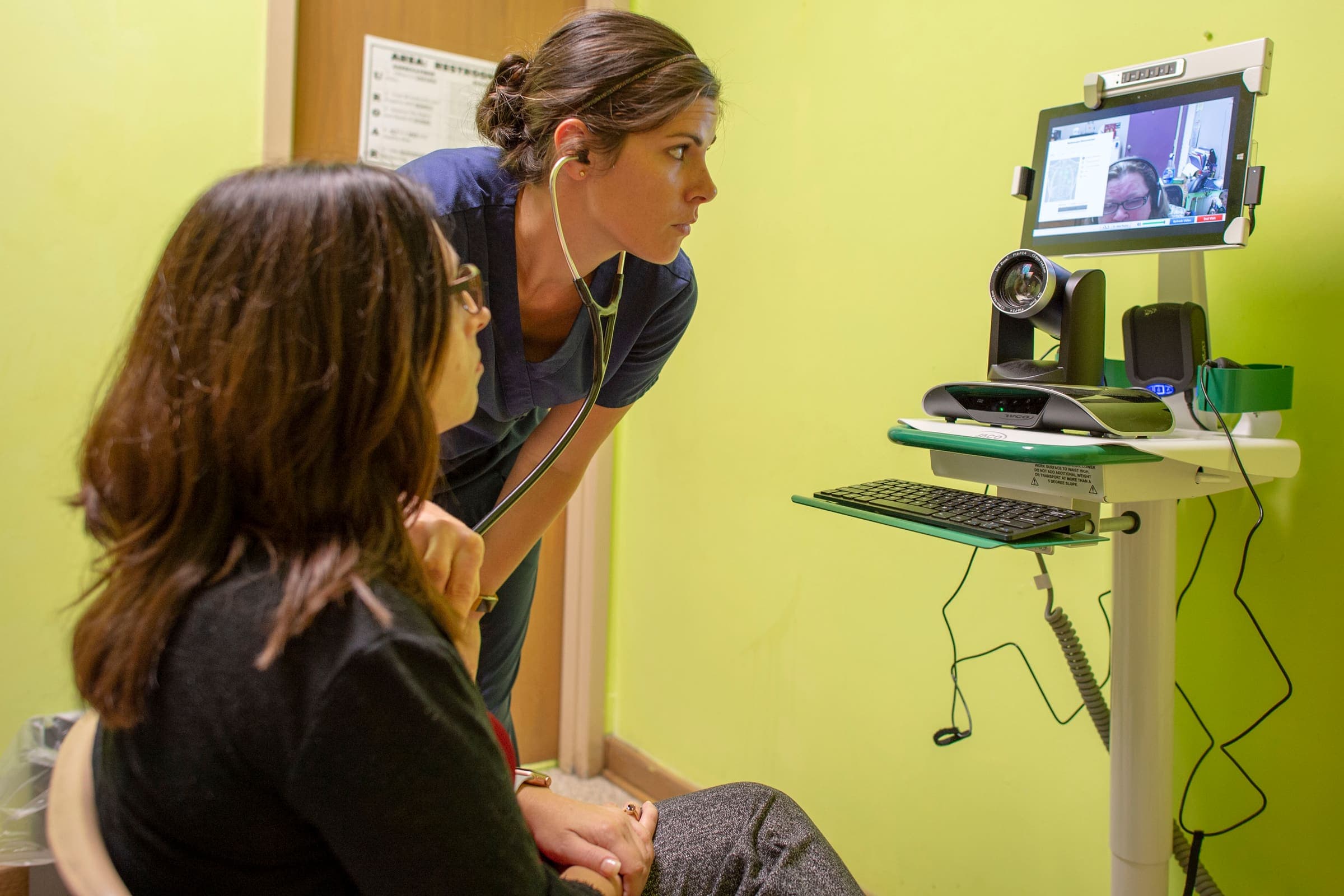

This therapy can help people with weakened immune systems or other diseases fight infections.
Some of the conditions that can be treated with IVIg include:
- Autoimmune diseases such as immune thrombocytopenia (ITP)
- Kawasaki disease
- Guillain-Barré syndrome (GBS)
- Chronic inflammatory demyelinating polyneuropathy (CIDP)
- Lupus
- Myositis
- Other rare diseases
Neurological diseases such as myasthenia gravis or multiple sclerosis
People who have had a bone marrow transplant may also use IVIg to prevent infections.
Why Is It Preferred?
Some people may receive IVIg instead of other medications (such as immunosuppressants, corticosteroids or biologic drugs) to help treat immune system disorders. In some cases, you may also receive IVIg together with immunosuppressants or other medications.
Your body's immune system normally produces enough antibodies to fight the germs that cause infections. But if you have an immunodeficiency, your body cannot produce enough of them. This puts you at greater risk of infections that can make you very sick. IVIg gives you the antibodies your body cannot make on its own so that you can fight infections.
In autoimmune diseases such as lupus, the treatment can help your body raise a low red blood cell count. When you don't have enough of these cells, you may become anemic and feel very tired. IVIg helps stop the white blood cells of people with lupus from destroying their red blood cells. In people with myositis, the treatment can prevent your immune system from destroying muscle cells.
Who Can Receive This Treatment?
Both children and adults can receive this therapy.
How Does It Work?
Immunoglobulin is part of your blood plasma. It contains antibodies to fight germs or diseases. When people donate blood, this portion can be separated out. It can then be given to you through a vein in your arm (IV). Receiving IVIg can help strengthen your immune system so that it can fight infections, improving your chances of staying healthy.
Immunoglobulin is obtained from the blood plasma of donors who are screened to make sure they are healthy. The plasma is tested for serious infections such as hepatitis and AIDS, and it is processed before being used for IVIg treatment. During treatment, the prepared immunoglobulin is infused into your veins. A healthcare provider uses a needle to access your vein. The medication then flows from a bag through a tube into your bloodstream. This process takes about 2 to 4 hours. You will probably need to go to a hospital, clinic or your doctor's office to receive the treatment.
You usually receive treatment every 3 to 4 weeks to keep your immune system strong. During this time, your blood may break down about half of the immunoglobulin, so you will need another dose to keep fighting infections. Your IVIg dosage depends on how much you weigh. The standard starting dose is 400 to 600 mg/kg of body weight per month.
What Are the Possible Side Effects?
Most people tolerate IVIg well, but side effects may include low-grade fever, muscle or joint aches and headaches right after your infusion. Be sure to call your doctor if you have a headache that does not go away after receiving the medication. Remember that if you break out in hives, feel tightness in your chest or start wheezing, you need to get emergency medical help right away.
Right after your treatment, when your body has the highest amount of immunoglobulin, you may feel your best. However, as your body begins to break it down, you may start to feel weaker or more tired. You may feel unwell just before your next treatment. If you have serious side effects from IVIg, you may switch to another type of treatment called subcutaneous immunoglobulin therapy, or SCIG. With this, you receive injections containing small amounts of immunoglobulin under your skin once a week or every few days. You should talk to your doctor about your treatment options and decide together.
The information on our website is not intended to direct individuals to any treatment. Do not take any diagnostic or treatment steps without consulting your doctor. The content does not contain information about İzmir Can Hastanesi's therapeutic healthcare services.