Breast lumps can form for many reasons. In most cases, a lump in the breast does not mean you have breast cancer. Many different causes can lead to breast lumps. Consulting a doctor will clear up all the questions on your mind.
According to studies, eight out of ten breast lumps are due to causes other than cancer. If you feel a lump in your breast area or in your armpit, you should definitely see a doctor. After the examination, the nature of the lump is determined and a decision is made as to whether further investigation is needed.
Men can also develop a breast lump, a condition called gynecomastia. The male breast tissue enlarges and becomes tender. The lump may also be located entirely under the nipple. Gynecomastia usually occurs in both breasts at once. Although it can develop due to a hormonal imbalance or as a side effect of treatment, detailed investigations are needed to clarify the cause. In some cases, no cause can be found, and it is called idiopathic.
Men can also develop breast cancer, so it is very important that men who notice a lump also see a doctor as soon as possible.
So what does a breast lump feel like?
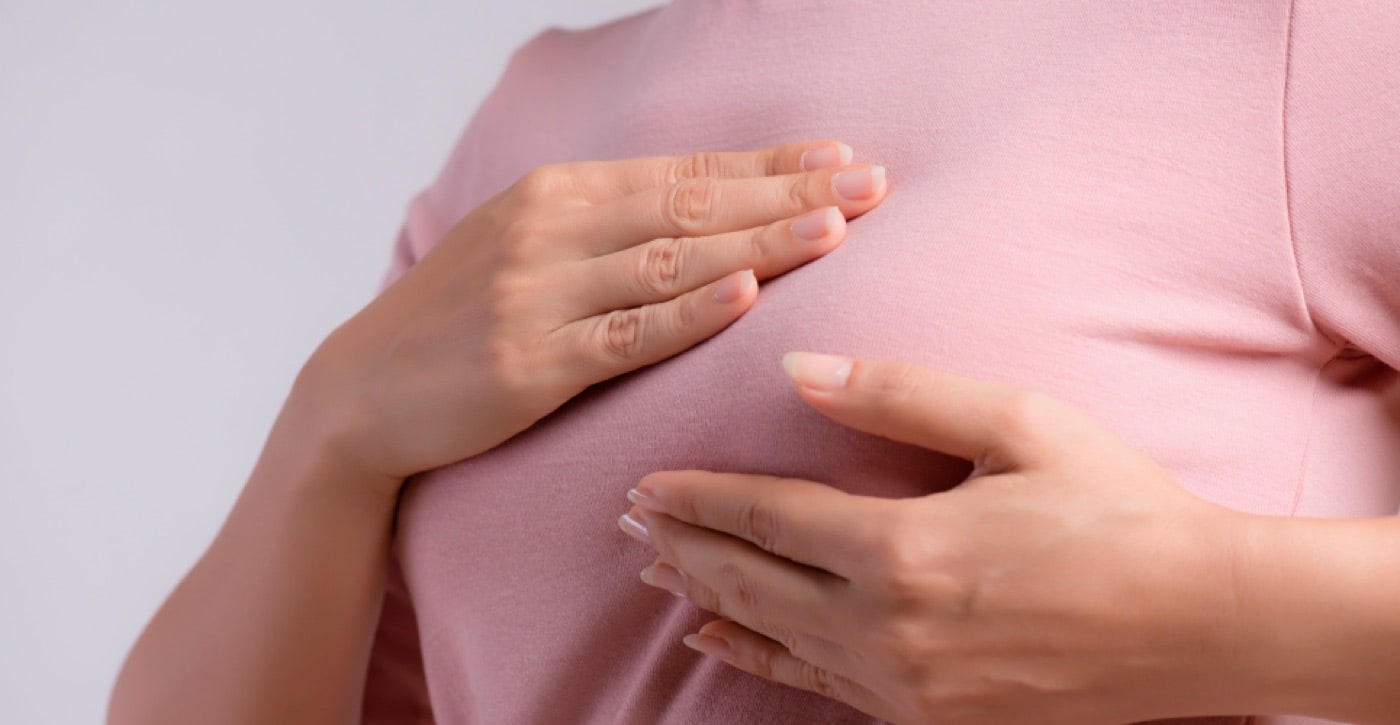
On manual examination, a lump in the breast may feel like a frozen pea or have the consistency of a bean. Sometimes it can be hard to tell apart from the rest of the breast tissue.
A lump in the breast can also be a sign of a breast infection, which is called mastitis or a breast abscess. In the case of an infection, pain, warmth and redness usually accompany it.
A lump in the breast can also be a sign of a breast infection, which is called mastitis or a breast abscess.
The most common causes of breast lumps:
- Fibrocystic changes: These are small, fluid-filled sacs and rubbery connective tissue that are perceived as a lump.
- Breast Cysts: These are fluid-filled cysts that form when fluid becomes trapped in the milk ducts. They are usually seen in premenopausal women.
- Fibroadenoma: These benign lumps are the most common breast tumors in young women, especially those aged 20–30. They are common during the reproductive years.
- Breast Infections
- Breast Cancer
So can a breast lump go away on its own?
Sometimes lumps disappear on their own. In young women, lumps related to the menstrual cycle can occur. These lumps disappear at the end of the menstrual period. Even so, the best approach is to let your doctor know about any lump you can feel in your breast.
How can breast health be protected?
- By being aware of changes in your breasts and letting your doctor know when there is a change,
- By learning about screening programs,
- By learning about your breast density and how it may affect mammography,
- By having regular checkups with your doctor if there is a family history of breast lumps or cancer.
The information on our website is not intended to direct individuals to any treatment. Do not take any diagnostic or treatment steps without consulting your doctor. The content does not contain information about İzmir Can Hastanesi's therapeutic healthcare services.