In the most general sense, obesity means having more weight than is healthy for a given height. Obesity is a serious, chronic disease. It can lead to other health problems, including diabetes, heart disease and some cancers.
People with obesity are more likely to have the following health problems:
- High blood sugar (glucose) or diabetes
- High blood pressure
- High blood cholesterol and triglycerides
- Heart attacks due to coronary heart disease, heart failure and stroke
- Bone and joint problems. Extra weight puts pressure on the bones and joints. This can lead to osteoarthritis, a disease that causes joint pain and stiffness.
- Sleep apnea, or pauses in breathing during sleep. This can cause daytime fatigue or sleepiness, poor attention and problems at work.
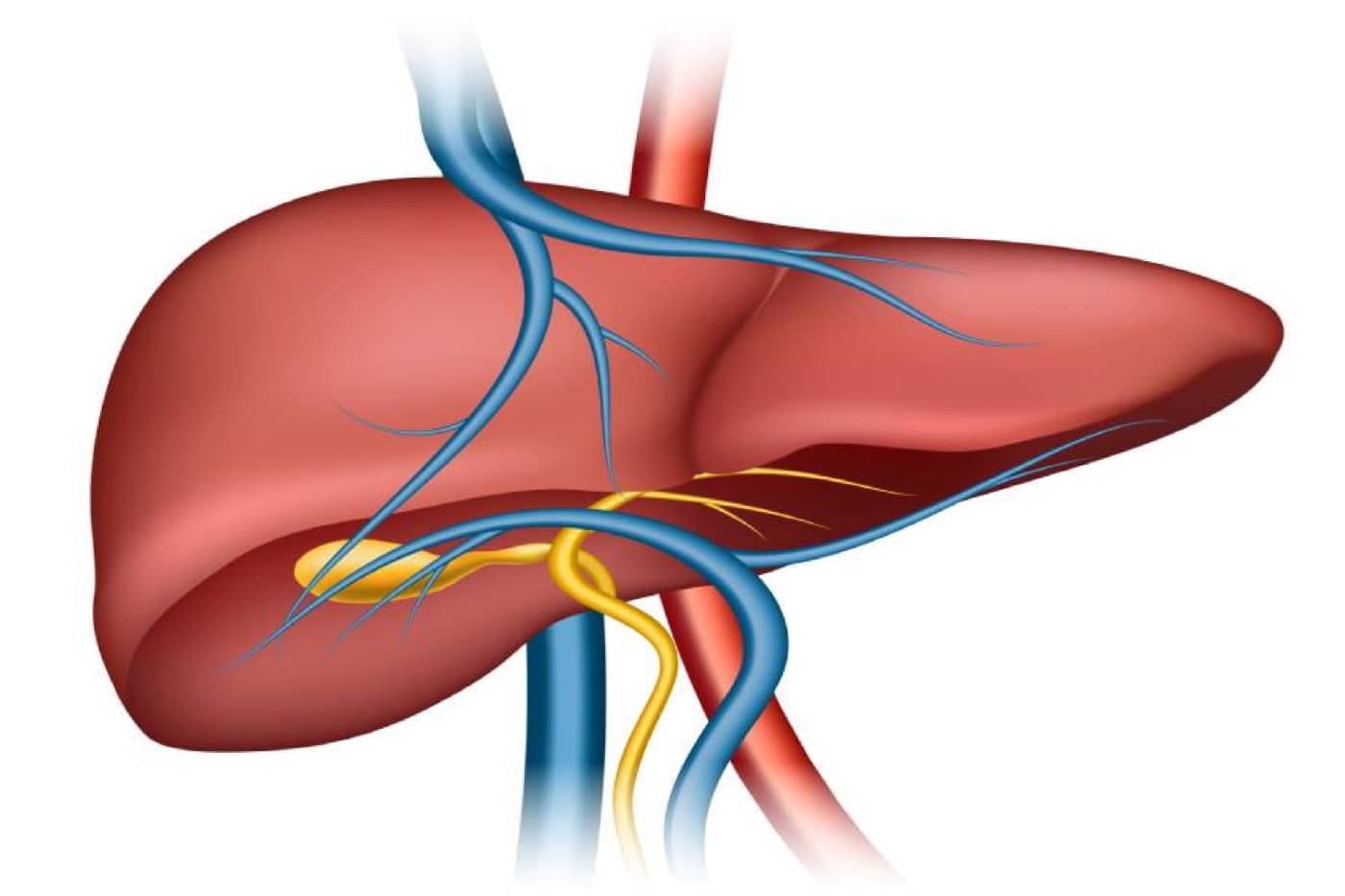
- Gallstones and liver problems
Three things can be used to determine whether a person's weight increases their risk of developing obesity-related diseases:
- Body mass index (BMI)
- Waist size
- Other risk factors the person has (a risk factor is anything that increases your chance of getting a disease)
What Is Body Mass Index?
Experts often rely on BMI to determine whether a person is overweight. BMI estimates your level of body fat based on your height and weight.
Starting at 25.0, the higher your BMI, the greater your risk of developing obesity-related health problems. These BMI ranges are used to describe levels of risk:
- Overweight (not obese) if your BMI is 25.0 to 29.9
- Class 1 (low-risk) obesity if your BMI is 30.0 to 34.9
- Class 2 (moderate-risk) obesity if your BMI is 35.0 to 39.9
- Class 3 (high-risk) obesity if your BMI is 40.0 or higher
Many websites have calculators that give you your BMI when you enter your weight and height.
Many websites have calculators that give you your BMI when you enter your weight and height.
For individuals, BMI is a screening tool, but it does not diagnose body fatness or health. Your health care professional can assess your health status and risks. If you have questions about your BMI, talk with your provider.
Other methods of measuring body fat include skinfold thickness measurements (with calipers), underwater weighing, bioelectrical impedance, dual-energy x-ray absorptiometry (DXA) and isotope dilution. However, these methods are not always readily available.
Waist Size


Women with a waist circumference greater than 35 inches (89 centimeters) and men with a waist circumference greater than 40 inches (102 centimeters) have an increased risk of heart disease and type 2 diabetes. People with an “apple-shaped” body (the waist is larger than the hips) also have an increased risk of these conditions.
Risk Factors for Obesity
Having a risk factor for a disease does not mean you will get the disease. But it does increase your chance of getting it. Some risk factors, such as age, race or family history, cannot be changed.
The more risk factors you have, the more likely you are to develop a disease or health problem.
If you have obesity and the following risk factors, your risk of developing health problems such as heart disease, stroke and kidney problems increases:
- High blood pressure (hypertension)
- High blood cholesterol or triglycerides
- High blood sugar (glucose), a sign of diabetes
Other risk factors for heart disease and stroke are not caused by obesity:
- Having a family member with heart disease before age 50
- Being physically inactive or having a sedentary lifestyle
- Smoking or using tobacco products of any kind
The information on our website is not intended to direct individuals to any treatment. Do not take any diagnostic or treatment steps without consulting your doctor. The content does not contain information about İzmir Can Hastanesi's therapeutic healthcare services.