
You have probably heard of cholesterol. You may even know whether your levels are too high. But what do you know about your triglycerides? More than a third of adults have high levels of triglycerides, a type of fat (lipid) in the blood that your body uses for energy. Triglycerides are the most common type of lipid in your body. They come from fatty foods such as butter and from unused calories that your body stores in your fat cells. When your body needs energy, it gets it from triglycerides. You need some triglycerides to be healthy, but you do not want too many.
Studies have shown that high triglyceride levels are consistently linked to heart disease, heart attack, and stroke, especially in people with low levels of “good” HDL cholesterol and in people with type 2 diabetes. That is why, if you have diabetes, high blood pressure, or other problems that increase your chances of developing heart disease, your doctor will probably want to check your triglyceride levels.
The good news is that there is a lot you can do on your own to lower your triglyceride level and improve your health.
High Triglycerides and Low HDL
HDL (high-density lipoprotein) is the “good” cholesterol. It helps remove “bad” cholesterol, or LDL (low-density lipoprotein), from your bloodstream. Cholesterol is a waxy compound found in your cells and carried through your bloodstream by proteins called lipoproteins.
Having high HDL levels is associated with a lower risk of heart disease. High LDL levels can clog the walls of your blood vessels, which can lead to a heart attack or stroke. Triglycerides and HDL are usually inversely related. That means the higher your triglyceride count, the lower your HDL. And the higher your HDL, the lower your triglycerides. However, it is possible to have high triglyceride levels without low HDL. Research shows that high triglycerides are a risk factor for heart disease regardless of your HDL level.
What Causes High Triglycerides?
Some of the risk factors that lead to high triglycerides include:
- Having conditions such as diabetes, kidney disease, thyroid disease, and liver disease
- Being overweight or obese
- Not getting enough exercise
- Eating foods high in fat or sugar
- Drinking too much alcohol
- Taking medications for HIV, breast cancer, and, rarely, high blood pressure
- Living with HIV
- Having a disorder that keeps the body from breaking down lipids (fats, cholesterol, etc.)
How Is the Triglyceride Level Tested?
A blood test called a lipid panel checks both your triglyceride and cholesterol levels. Your doctor will usually tell you to fast for 9–12 hours before the test (meaning you should not eat or drink anything except water). Blood will be drawn from a vein in your arm. Some labs offer non-fasting lipid panels, or they may prick your finger for blood.
Based on a fasting blood test, the values are as follows:
- Normal: less than 150 milligrams per deciliter (mg/dL)
- Borderline: 150–199 mg/dL
- High: 200–499 mg/dL
- Very high: 500 mg/dL or above
What Level of Triglycerides Is Dangerous?
Triglyceride levels above 1,500 mg/dL are considered extremely high and can cause the body to stop breaking down fats. This can lead to memory loss, an enlarged liver and spleen, and stomach pain.
High triglycerides often occur together with other problems such as high blood pressure, diabetes, obesity, high LDL cholesterol levels, and low HDL cholesterol levels. Research now shows that elevated triglyceride levels are associated with an increased risk of cardiovascular events such as heart attack and stroke, so steps should be taken to lower them.
How to Lower Triglycerides
Finding out that you have high triglycerides can be upsetting. But there is a lot you can do on your own to lower them. Making changes to your lifestyle can bring dramatic benefits. Here are some suggestions:
But there is a lot you can do on your own to lower them.
Get more physical activity. Exercise can have a big impact on triglyceride levels. Experts recommend that everyone exercise for at least 30 minutes five times a week. If you are out of shape, start slowly. Begin with a brisk walk three times a week and build from there.
Lose some weight. If you are overweight or obese, lose a few pounds and try to maintain your ideal body weight. Exercise will help, but you also need to focus on your diet. What matters is taking in fewer calories — whether they come from fats, carbohydrates, or proteins. Focus on a diet rich in fruits, vegetables, lean proteins, and low-fat dairy products. Cutting back on sugary foods such as sodas can also help.
Choose better fats. Pay closer attention to the fats you eat. Eat fewer foods that contain unhealthy fats (found in meat, butter, and cheese), trans fats (found in processed foods and margarines), and cholesterol. Eat the healthier monounsaturated and polyunsaturated fats found in olive oil, nuts, and some fish. Studies show that the omega-3s in fatty fish such as tuna, salmon, mackerel, and sardines are especially good at lowering triglyceride levels. Because even healthy fats are high in calories, you should still eat these foods in moderation.
Cut back on alcohol. Even small amounts of alcohol seem to cause big increases in triglyceride levels. Limit yourself to one alcoholic drink a day.
Diet for High Triglycerides
A healthy diet can help lower your triglyceride level. This means limiting fatty and sugary foods and eating plenty of whole grains, fruits, vegetables, and fatty fish.
Foods people with high triglycerides should eat
These foods will help lower your triglyceride level:
- Whole-grain breads and cereals
- Brown rice
- Oats
- Dried peas and beans (chickpeas, kidney beans, black beans, etc.)
- Small amounts of vegetable oil (olive, canola, or safflower oil)
- Avocados
- Nuts and seeds
- Nut butters
- Fatty fish (salmon, mackerel, sardines – twice a week)
- Colorful fruits and vegetables (broccoli, Brussels sprouts, carrots, red peppers, watermelon, strawberries, cantaloupe, etc.)
Foods people with high triglycerides should avoid
Limit high-fat and high-sugar foods:
- Whole milk and 2% milk
- Cookies
- Candy
- Soda
- Ice cream
- Cakes
- Sports and energy drinks
- Fruit juices high in sugar
- Butter
- Beef, pork, and lamb
- Fried foods
How Often Should Triglycerides Be Tested?
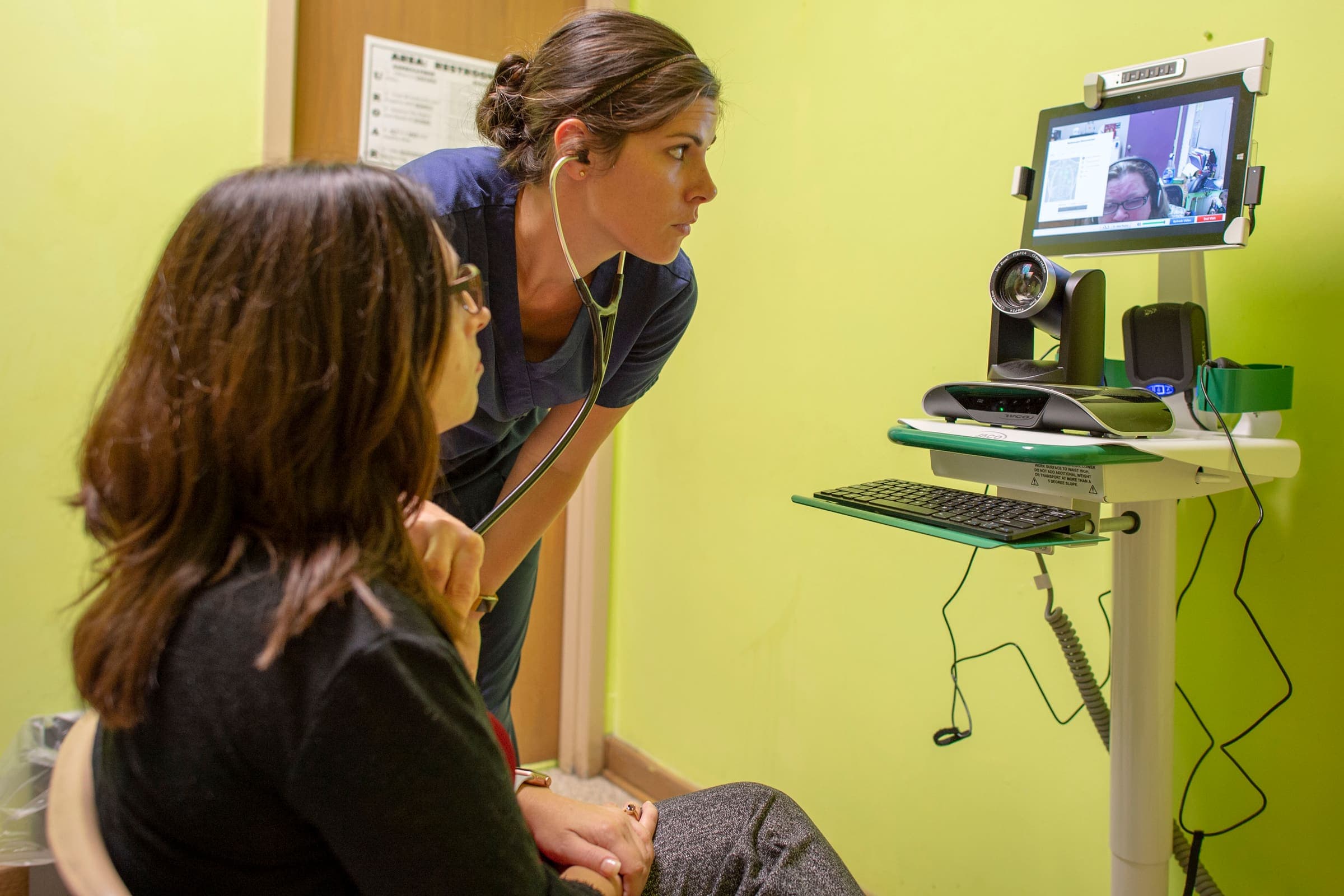

If you are a healthy adult, you should have a lipid profile every 4–6 years. Children should have one at least once between the ages of 9 and 11 and again between the ages of 17 and 21. If you are making changes to your diet or taking medication for high cholesterol or triglycerides, have a lipid profile done afterward.
Are High Triglycerides More Harmful Than High Cholesterol?
Both increase the risk of heart attack and stroke. However, changing your diet or taking a statin to lower your high cholesterol will probably lower your high triglycerides as well.
Can High Triglycerides Cause Fatigue?
High triglycerides usually do not cause any symptoms. But if they are left untreated and you develop heart disease, you may feel tired as a side effect.
The information on our website is not intended to direct individuals to any treatment. Do not take any diagnostic or treatment steps without consulting your doctor. The content does not contain information about İzmir Can Hastanesi's therapeutic healthcare services.