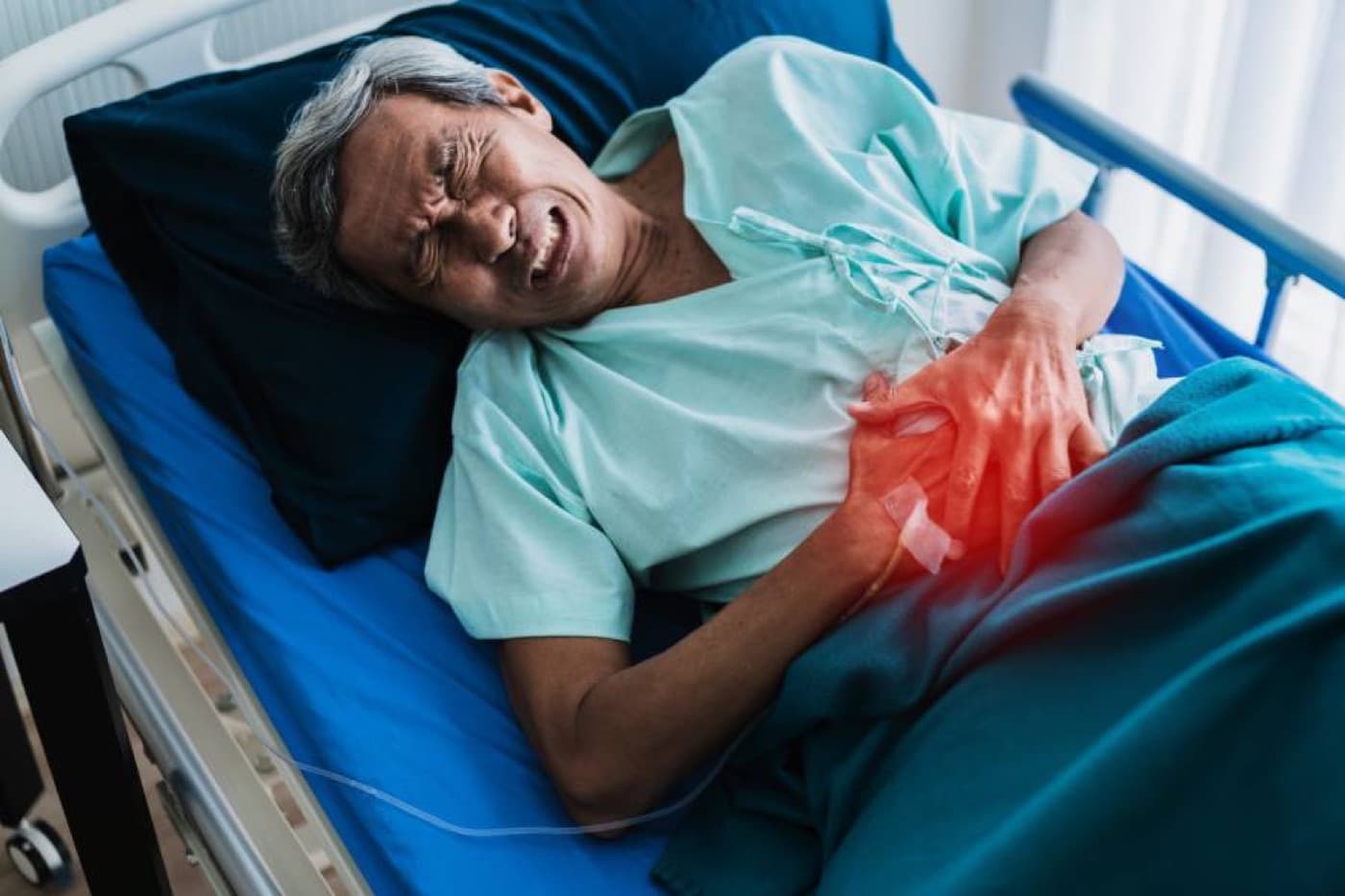
A tear in the tissue of the anal region is called an anal fissure. It is also known as a crack in the anus. Pain and bleeding during bowel movements are its typical symptoms.
Who Is at Risk of Anal Fissure?
An anal fissure can occur at any age. The likelihood of developing an anal fissure increases with age. A person who has had a fissure before is more likely to develop one again.
What Causes an Anal Fissure?
- Long-term constipation,
- Excessive straining, especially when stools are very dry and hard,
- Long-term diarrhea,
- Anal sex,
- Insertion of a foreign object,
- Poor toilet habits,
- Excessive tension of the muscles that maintain anal pressure,
- Another underlying disease (such as Crohn's disease, ulcerative colitis, anal cancer, leukemia, tuberculosis, syphilis, gonorrhea, chlamydia or HIV).
What Are the Signs and Symptoms of Anal Fissure?
- Pain during and after bowel movements that can last for hours,
- Blood on the outside of the stool,
- Blood on the toilet paper,
- A visible tear in the anus,
- Itching and a burning sensation that may be painful,
- Difficulty urinating,
- Foul-smelling discharge.
How Is an Anal Fissure Diagnosed?
A physical examination is usually sufficient to diagnose an anal fissure. If an abnormal finding is detected, additional tests may be needed.
How Is an Anal Fissure Treated?
The main goal in treating an anal fissure is to reduce the pressure in the area called the anal canal. This reduces bleeding and pain. Conservative treatments include:
- Preventing constipation,
- Warm sitz baths,
- Hygiene of the anal area,
- Limiting the time spent sitting on the toilet to an appropriate level.
With these treatment methods, about 80–90% of patients heal within a few weeks. If complaints persist, the following may be needed:
- Creams containing various medications,
- Botox injection,
- Surgery.
What Is Anal Fissure Surgery?
Before deciding on surgery, your doctor will make sure that medical treatment has been fully tried. During the operation, part of one of the muscles that increase pressure in the anal region is cut. In rare cases, this procedure can cause problems with bowel control.
Patients can usually go home on the same day as the procedure. Pain generally subsides within a few days, and complete healing takes place within a few weeks.
At İzmir Özel Can Hastanesi and Salihli Özel Can Hastanesi, anal fissures are diagnosed and treated by general surgery specialists who have extensive scientific knowledge, skill and experience in their field, and the most appropriate treatment approaches are applied. Please contact us for information and appointments.
The information on our website is not intended to direct individuals to any treatment. Do not take any diagnostic or treatment steps without consulting your doctor. The content does not contain information about İzmir Can Hastanesi's therapeutic healthcare services.