It is a condition characterized by a lack of the sufficient iron level in the blood that is needed for hemoglobin.
- Iron supplementation should be started at 4 months of age in exclusively breastfed babies.
- Babies should be screened for iron deficiency with a blood test at 9 months of age.
- Iron preparations and iron-rich foods are used in treatment.
What Is Iron Deficiency Anemia in Children?
Anemia is very common in children. The most common cause of anemia is iron deficiency due to inadequate intake. Anemic children do not have enough red blood cells or enough hemoglobin. Hemoglobin is a protein that carries oxygen to tissues, organs and cells. Iron is necessary for the formation of hemoglobin (Hb).
What Causes Iron Deficiency Anemia in Children?
The causes of iron deficiency are as follows:
1- An Iron-Poor Diet:
Children get iron from food. However, only a very small portion of this iron is absorbed.
- Full-term babies receive iron from their mothers during the last 3 months of pregnancy if the mother is healthy. However, in babies whose mothers have anemia or other health problems and do not have enough iron, or in babies born prematurely, this intake is insufficient and iron deficiency develops.
- The American Academy of Pediatrics (AAP) recommends exclusive breastfeeding for the first 6 months. However, breast milk does not contain enough iron, so iron deficiency develops in exclusively breastfed babies.
- Older children may not get enough iron from their diet.
2- Body Changes: When children go through a growth spurt, they need more iron to make more red blood cells.
3- Gastrointestinal Problems: Iron absorption may be impaired after certain gastrointestinal surgeries. Most of the iron taken in with food is normally absorbed in the small intestine. Any problem in this system impairs iron absorption, so iron deficiency may occur.
4- Blood Loss: Blood loss leads to iron deficiency. Blood loss in the form of gastrointestinal bleeding, menstruation or injury can cause this.
How Is Iron Deficiency Anemia Diagnosed in Children?
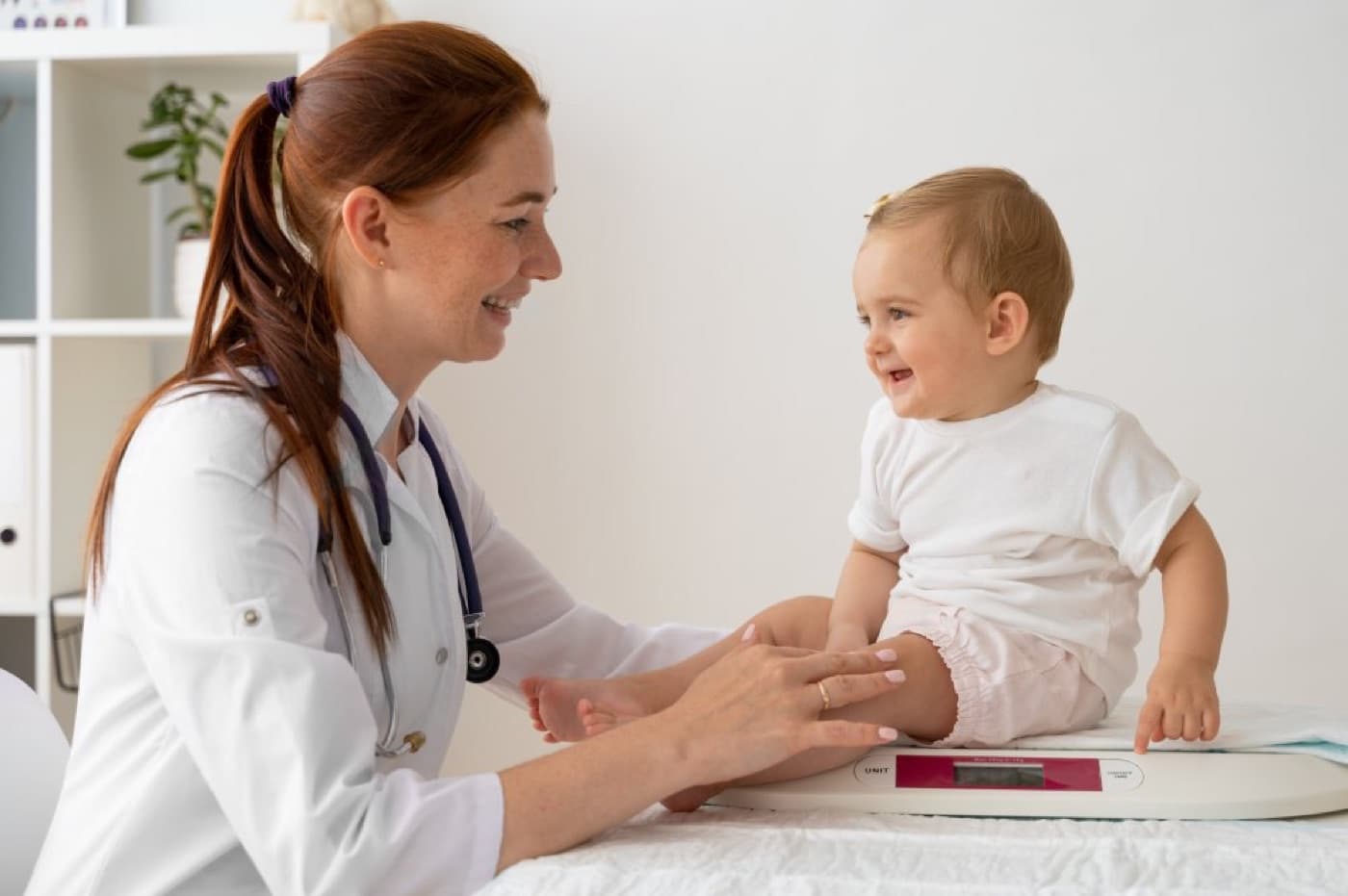
In most cases, the diagnosis is made with simple blood tests. Routine screening is performed because anemia is very common in children and often causes no symptoms.
- In Türkiye, screening for iron deficiency anemia is routinely performed at 9 months of age.
- If the Hb level is found to be low, more detailed blood tests are needed.
- If your child is at risk, blood tests are also done at any time, regardless of age.
- Annual blood screening is also recommended, because it often causes no symptoms.
The Following Tests Are Performed for Diagnosis:
- Complete blood count
- Peripheral blood smear
- Serum iron level and iron-binding capacity
- Measurement of ferritin, the body's stored iron in serum.
What Are the Symptoms in Children with Iron Deficiency Anemia?
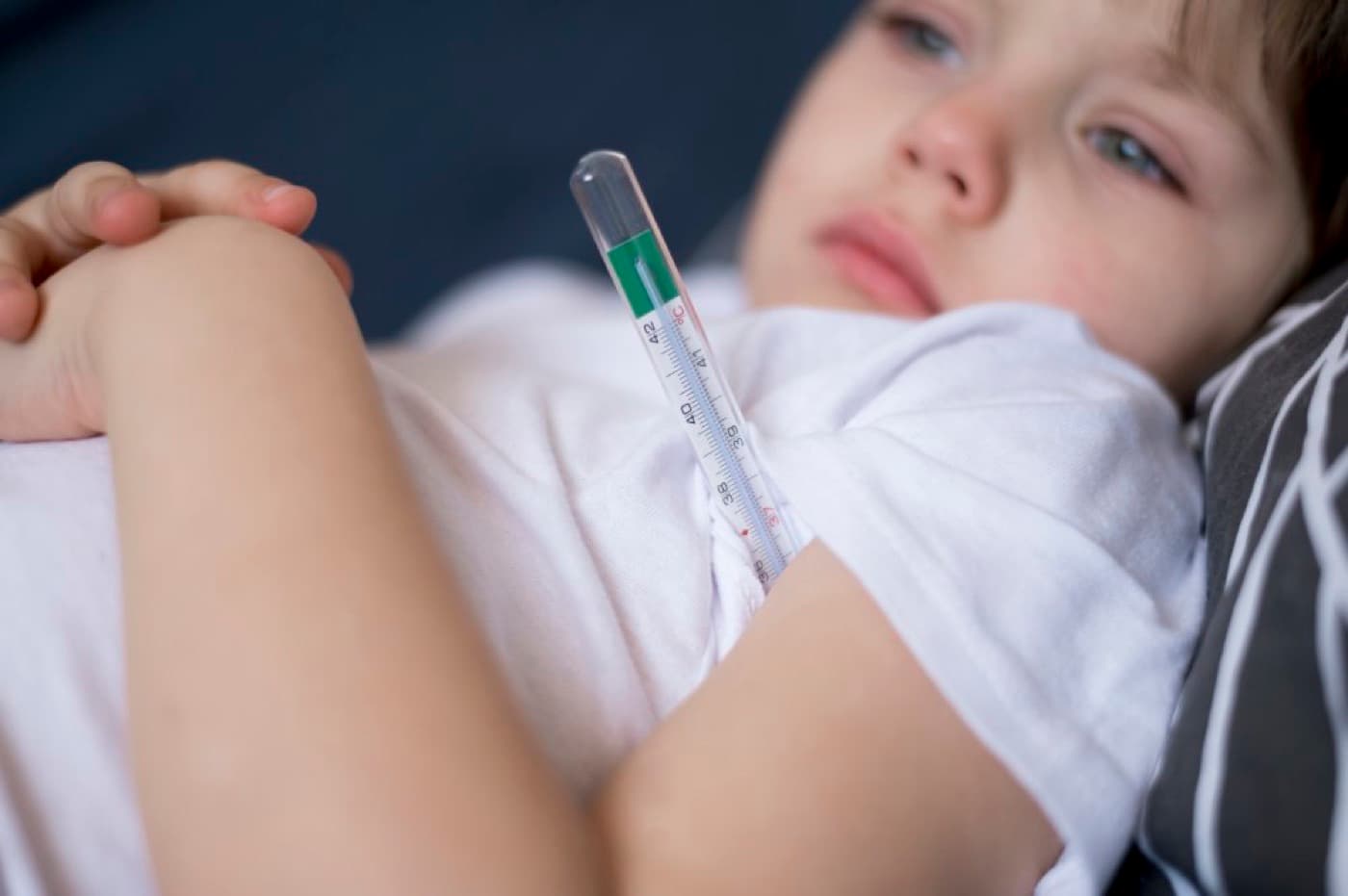
- Pallor
- Irritability
- Weakness and tiredness
- Increased heart rate and palpitations
- A painful, swollen tongue
- Enlarged spleen
- Unusual cravings called pica: for example, a desire to eat soil, coffee, chalk or ice.
How Is Iron Deficiency Anemia Treated in Children?
- To prevent iron deficiency anemia, the AAP (American Academy of Pediatrics) recommends the following:
- Iron supplementation is started from 4 months of age in normal full-term babies and from the second month in premature babies. It should be continued routinely until one year of age.
- Between the ages of 1 and 3, an iron-rich diet should be provided: red meat, iron-rich vegetables and fruits containing vitamin C, because vitamin C increases iron absorption. Iron-containing foods should not be given together with dairy products (this does not refer to breast milk).
In iron deficiency anemia:
1- Iron Supplements: These are available as iron drops, syrups or tablets. Iron preparations generally cause stomach discomfort and may change the color of the stool. To increase absorption, they should be taken on an empty stomach or with freshly squeezed orange juice. Iron deficiency cannot be treated by changing dietary habits alone; iron preparations are very effective. Very rarely, intravenous iron may be needed in children who cannot tolerate the medication. However, because serious allergic reactions can develop with it, it is not preferred in children unless there is life-threatening severe anemia.
2- An Iron-Rich Diet: Foods such as red meat, liver, chicken, turkey, fish, cruciferous vegetables such as broccoli, green leafy vegetables, turnips, collard greens, green beans, dried beans, peas, borlotti beans and black-eyed peas.
What Are the Complications of Iron Deficiency?
It can lead to growth and developmental delay. Rarely, in severe anemia, serious findings up to and including heart failure may occur. It must be treated, and follow-up values should be checked after treatment.
The information on our website is not intended to direct individuals to any treatment. Do not take any diagnostic or treatment steps without consulting your doctor. The content does not contain information about İzmir Can Hastanesi's therapeutic healthcare services.