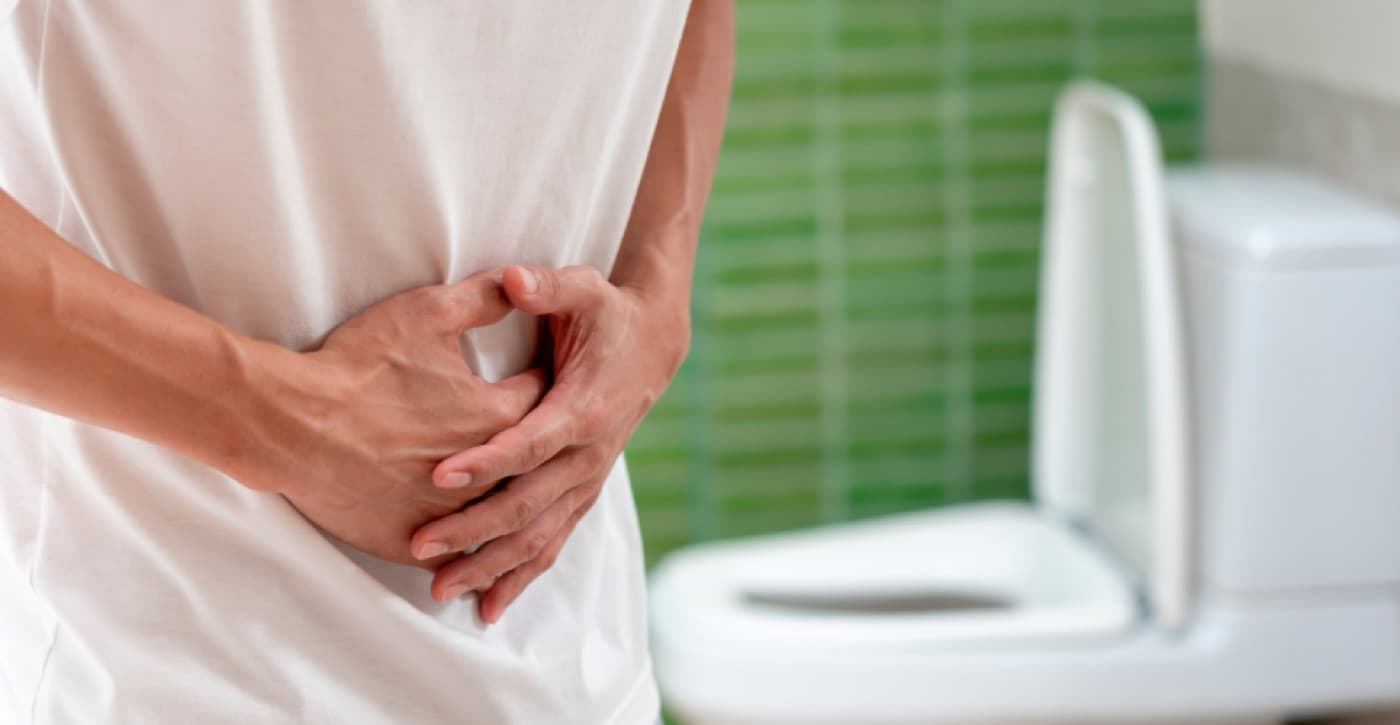
It is a clinical condition that develops when the lower esophageal sphincter, located where the esophagus joins the stomach, remains relaxed for long periods or frequently, allowing the acidic contents of the stomach to flow back into the esophagus.
- Excess weight,
- Overeating,
- Excessive consumption of fatty and spicy foods and drinks,
- Caffeine,
- Alcohol,
- Smoking,
- Nonsteroidal anti-inflammatory drugs,
- Gastritis,
- Stomach or esophageal ulcers,
- Connective tissue diseases such as scleroderma.
WHO IS AT RISK?
- Hiatal hernia,
- Obesity,
- Pregnancy,
- Use of aspirin and similar nonsteroidal anti-inflammatory drugs,
- Smoking,
- Alcohol,
SYMPTOMS OF REFLUX
- Heartburn: especially after meals,
- Chest pain,
- Difficulty swallowing,
- Regurgitation of food or liquid into the mouth,
- A feeling of a lump in the throat,
- Chronic cough,
- Laryngitis,
- Disrupted sleep.
COMPLICATIONS
- Narrowing of the esophagus,
- Esophageal ulcer,
- Precancerous changes in the esophagus.
HOW IS REFLUX DIAGNOSED?
- Endoscopic examination,
- Measurement of pressure in the esophagus (manometry)
- Upper gastrointestinal X-ray,
- Acid probe (pH) test
TREATMENT:
- Medical treatment:
– Antacids,
– Medications that reduce acid production,
– Proton pump inhibitors.
- Surgical procedures:
– Fundoplication: laparoscopic wrapping of the upper part of the stomach around the lower part of the esophagus.
– LINX device: a small magnetic ring,
– Transoral incisionless fundoplication,
LIFESTYLE CHANGES
- Maintain your ideal weight.
- Do not smoke.
- Raise the head of your bed when lying down.
- Do not lie down after eating.
- Eat slowly and chew well.
- Avoid tight clothing.
The information on our website is not intended to direct individuals to any treatment. Do not take any diagnostic or treatment steps without consulting your doctor. The content does not contain information about İzmir Can Hastanesi's therapeutic healthcare services.