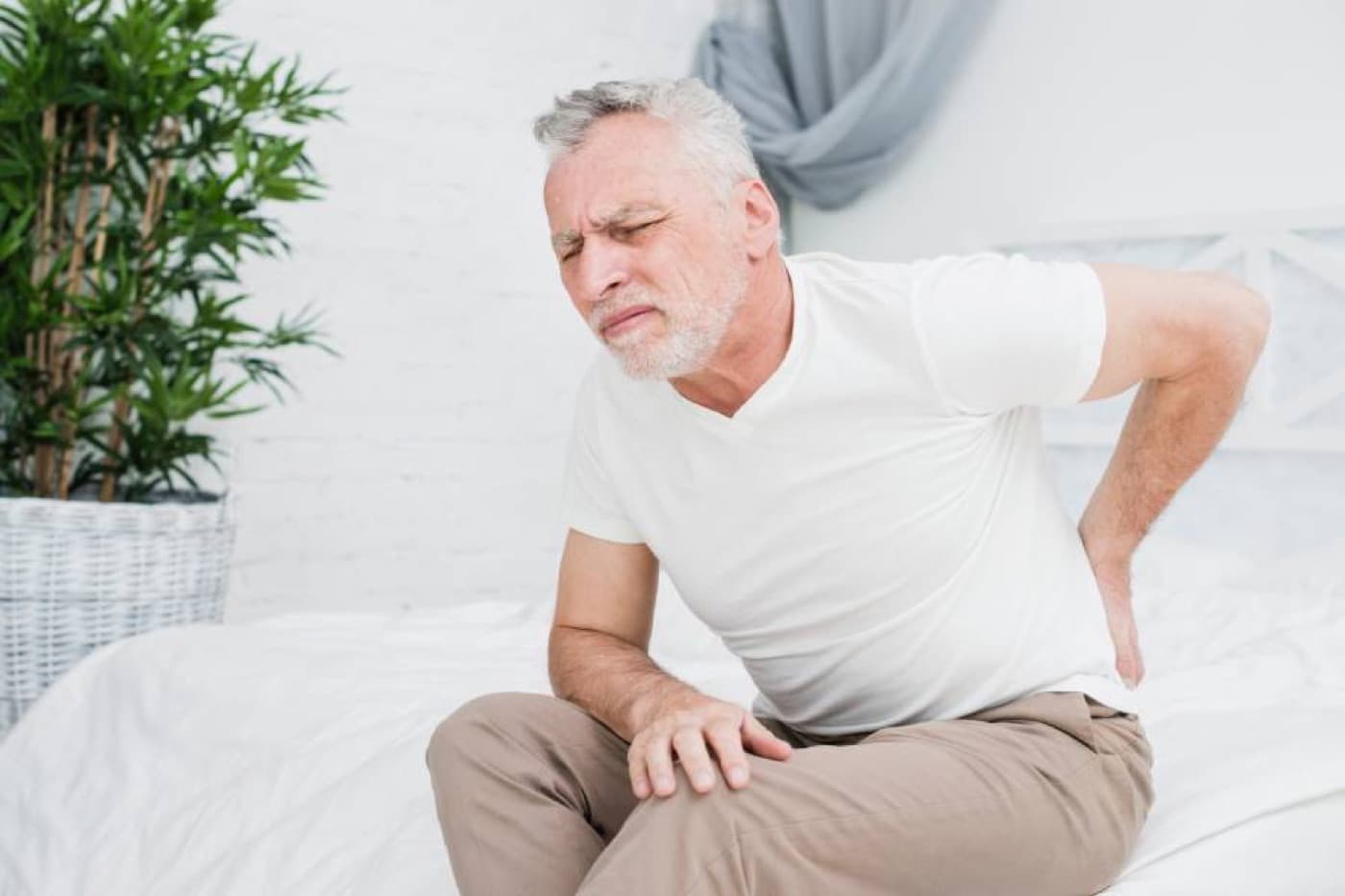
Arthrosis is a disease known in Turkish as "kireçlenme" (literally “calcification”). Joint degeneration is osteoarthritis (OA). OA is a chronic disease that affects the joints and the bones around them. In the past, OA was regarded as a degenerative disease caused by wear and tear on the joints, or as a disease of the elderly. However, current research has shown that, in addition to wear, there is an inflammatory process that contributes to joint damage, although this inflammation is not as severe as in other forms of arthritis.
In addition to wear and tear, osteoarthritis can also develop as a result of trauma or other joint diseases (secondary). The cartilage between the joints acts as a cushion, but when the joint wears down and this part is damaged, the bone surfaces of the joint rub against each other, causing pain, swelling and stiffness.
Cartilage Damage in Osteoarthritis
The complaint of OA patients is pain in the joints, especially in the weight-bearing joints (such as the knee or hip joints). The pain is mainly felt after exertion involving these joints and eases with rest.
Knee Pain After Activity
Sometimes there may be a feeling of stiffness in the joint lasting less than 30 minutes after waking up in the morning. This stiffness improves after moving the joint for a while. When the joint moves, you may hear a crackling sound (crepitus). Over time the disease may worsen, and you may feel pain even while resting. Pressure on certain points around the painful joint will hurt. Joint movement will also be limited because of the pain.
There is no laboratory test that can confirm the diagnosis of OA, but radiological examinations (X-rays) can help, although the results often do not match the patient's symptoms. X-rays may show a narrowed joint space, small bone growths (osteophytes) and sclerosis (hardening) around the affected joint.
Risk Factors
Old age is a risk factor for OA. Almost everyone over the age of 70 experiences this OA symptom with varying degrees of pain. Before the age of 55, the rate of OA is similar in men and women, but after 55 it is higher in women.
Other risk factors include a family history of OA, being overweight, and jobs that require squatting or kneeling for more than 1 hour a day. Lifting loads, climbing stairs or walking long distances are also considered risk factors. One of the most important factors that predispose to arthrosis is weight gain and obesity. Consulting a dietitian about weight control will help in finding a solution. Losing excess weight with the help of such a specialist will also reduce the load on the joints.
Sports that traumatize a joint, such as soccer, basketball or volleyball, also increase the risk of OA. Some diseases that can cause secondary OA include rheumatoid arthritis, gout and hemophilia.
Diagnosis
Diagnosing arthrosis is straightforward. You will need to be examined and, during the examination, clearly describe your condition and answer the questions you are asked. When describing your medical history, it is important to mention any past accidents, injuries and surgeries. Diagnosis involves X-rays and, when considered necessary in early arthrosis where X-rays may appear normal, MRI (magnetic resonance imaging). Blood tests are normal, but they may still be needed to rule out other diseases.
Treatment
The main goal is first of all to prevent arthrosis from developing; this can be considered the first step of treatment. Although osteoarthritis cannot be completely cured, the complaints can be brought under control, so that patients can move as usual and carry out their daily activities without pain. The disease usually worsens with age. Some medications can help slow the damage and reduce or eliminate the pain. In addition, if pain continues despite all treatments, surgery may be considered as a last resort. Placing a prosthetic joint in the damaged joint or other surgical methods can help patients who do not respond to treatment.
Pharmacological and non-pharmacological methods can also be used in treating the disease. Pharmacological methods include paracetamol, nonsteroidal anti-inflammatory drugs, supplements, hyaluronic acid injections and corticosteroid injections. Non-pharmacological methods include receiving education about the condition, applying compresses, maintaining an ideal body weight, a balanced diet, lifestyle changes and exercise.
With advancing technology, many methods aimed at biological healing, such as PRP and stem cell transplantation, are also used to address the progression of arthrosis.
The information on our website is not intended to direct individuals to any treatment. Do not take any diagnostic or treatment steps without consulting your doctor. The content does not contain information about İzmir Can Hastanesi's therapeutic healthcare services.