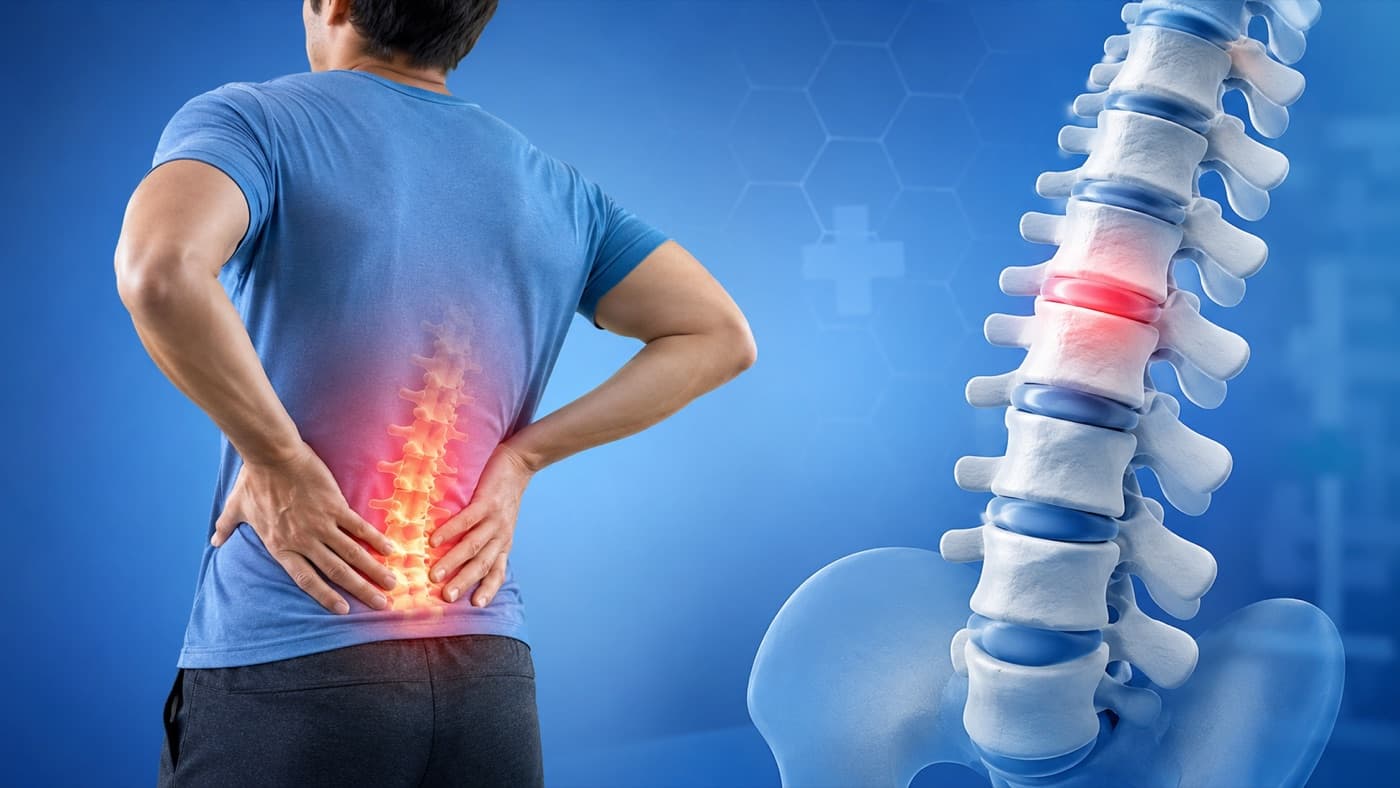
The term "sports injury" most commonly refers to the types of injuries that occur during sports or exercise, but they are not limited to athletes. Even if they don't play sports, factory workers can develop tennis elbow, painters can suffer shoulder injuries and gardeners can develop tendinitis. Ultimately, however, "sports injuries" refers to conditions that can occur in active individuals. This health topic focuses on the most common types of sports injuries that affect the musculoskeletal system. The musculoskeletal system is a network of muscles, tendons, ligaments, bones and other tissues that gives the body stability and enables it to move.
It should be remembered that although adverse events sometimes occur during sports or exercise, most physical activity is safe for almost everyone, and its health benefits far outweigh its risks.
Who Gets Sports Injuries?
The type of injury depends on the kind of activity you take part in, your age and your sex. Anyone can sustain a sports injury, but various factors can increase the risk of injury. Risk factors for sports injuries include:
- Not using proper exercise techniques.
- Training strenuously too often or for too long.
- Changing the intensity of physical activity too quickly.
- Running or jumping on hard surfaces.
- Wearing shoes that do not provide enough support.
- Not wearing the right equipment.
- Having had a previous injury.
- Poor flexibility.
- Taking certain medications, such as fluoroquinolones, a class of antibiotics linked to tendinitis and tendon rupture.
Types of Sports Injuries
Sports injuries fall into two broad categories: acute and chronic injuries. Acute injuries happen suddenly, such as when a person falls, takes a blow or twists a joint, while chronic injuries usually result from overuse of one area of the body and develop gradually over time. Examples of acute injuries are sprains and dislocations; some common chronic injuries are shin splints and stress fractures.
In some cases, the wear and tear caused by overuse injuries can also set the stage for acute injuries.
Common sports injuries include shoulder, elbow, knee, leg and wrist injuries. Musculoskeletal injuries frequently seen in athletes include fractures, dislocations, sprains, strains, tendinitis and bursitis.
Symptoms of Sports Injuries
The symptoms of a sports injury depend on the type of injury you have. Symptoms of an acute injury include:
- Sudden, severe pain.
- Excessive swelling or bruising.
- Being unable to put weight on the leg, knee, ankle or foot.
- Being unable to move a joint normally.
- Extreme weakness of an injured limb.
- A bone or joint that is visibly out of place.
Symptoms of chronic injuries caused by overuse include:
- Pain when playing or exercising.
- Swelling and a dull ache at rest.
Causes of Sports Injuries
Sports injuries have many causes, such as accidents like falls; poor exercise habits like not warming up or stretching enough; lack of safety equipment or using damaged or improperly worn equipment; wearing shoes that don't fit well or don't provide enough support; and suddenly starting an exercise program or significantly increasing physical activity your body is not used to.
The cause of an acute sports injury is an impact force greater than the body part can withstand, whereas a chronic injury typically results from doing the same movement over and over again. Sometimes overuse injuries can damage tissues and joints and set the stage for an acute injury.
How Is a Sports Injury Diagnosed?
To diagnose a sports injury, the physician performs a physical examination. You will be asked questions about what happened and what symptoms you have. Depending on the type of injury and how severe it is, the physician may order imaging tests. An X-ray, CT scan or MRI will reveal the condition of the structures in your body, and these images will help in understanding, diagnosing and treating your specific injury.
Treatment of Sports Injuries
It depends on the type of injury, but for injuries that are not too serious, the most widely accepted first aid method is usually "RICE": rest, ice, compression and elevation. Resting at home, applying ice, wrapping the area and elevating it can help. For more serious injuries, you may need to visit a healthcare facility and receive physical therapy for rehabilitation. You may be asked to wear a cast, splint or brace. In some cases, surgery may even be necessary. Before returning to the sport or activity that caused the injury, a rehabilitation program that usually includes exercise and other types of therapy is recommended.
How Can You Reduce the Risk of Sports Injuries?
There are many ways to help prevent sports injuries:
- Choose sports and activities that are less dangerous,
- Don't do the same sport or activity all year round (this is especially important for children),
- Create mixed routines (the body needs a combination of cardiovascular (aerobic) exercise, resistance exercise (strength training or weight training) and flexibility),
- Drink plenty of water before, during and after any exercise,
- Learn the correct technique and always use it,
- Listen to your body and don't overdo it. Rest when you are tired. Stop any activity that doesn't feel right,
- Start slowly and progress gradually (for example, start with walking and move on to running before entering a race),
- Stretch before and after each workout (warm-up and cool-down exercises),
- Wear suitable shoes and use safe equipment, and always make sure they are in good condition.
What Questions Can You Ask Your Physician About Your Sports Injury?
- What treatments do I need?
- Should I apply heat, ice or both?
- Should I take pain relievers? How much and how often?
- How long will recovery take?
- Will the injured area return to normal?
- When can I return to sports and other physical activities?
- Do I need physical therapy?
- What can I do to prevent another injury?
The information on our website is not intended to direct individuals to any treatment. Do not take any diagnostic or treatment steps without consulting your doctor. The content does not contain information about İzmir Can Hastanesi's therapeutic healthcare services.